
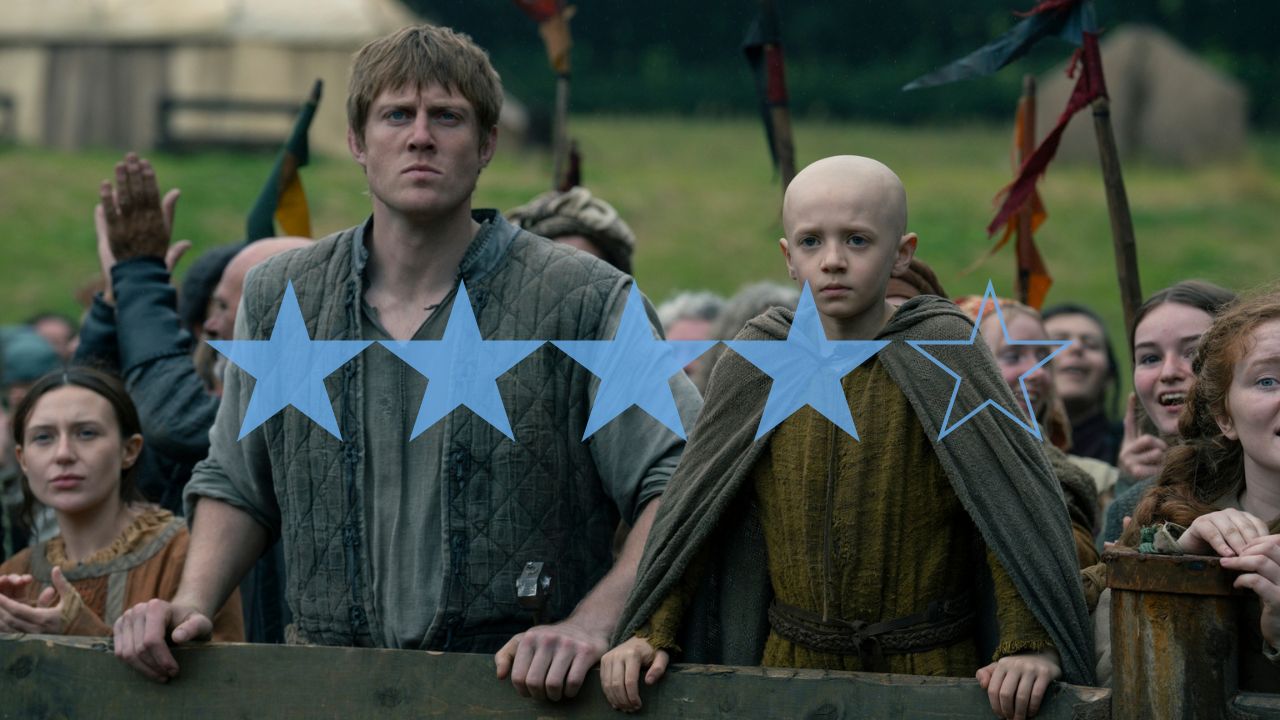
Much like its towering protagonist Ser Duncan the Tall, A Knight of the Seven Kingdoms begins as a modest affair, only to reveal surprising depth and quiet strength.
★★★★☆
What first appears to be a gentle, almost quaint spin-off from the bombast of Game of Thrones gradually transforms into one of the most compelling chapters in the ever-expanding Westeros canon.
Whereas its predecessor thrived on dynastic warfare, dragon fire and apocalyptic prophecy, this latest novel adaptation from the mind of George R. R. Martin (who is also labelled as co-creator of the show) strips itself down to something far more intimate. The Targaryen dynasty still casts its long, silvery shadow, but the heart of this six-episode tale is far simpler: honour, self-worth and what it truly means to be a knight.

Ser Duncan (Peter Claffey), known simply as Dunk, enters a tournament hoping to uphold the legacy of his cantankerous mentor. At his side is Egg (Dexter Sol Ansell), the bald, sharp-eyed boy whose unlikely bond with the towering hedge knight forms the emotional spine of the series. Their relationship is uneasy at first, but it deepens into something genuinely affecting. The dynamic evokes the spirit of a medieval buddy tale, with shades of A Knight’s Tale (2001) in its tournament framing. However, the show’s emotional texture is far richer than that comparison might suggest.
The success of the series has been remarkable. In an era where franchise fatigue looms large, A Knight of the Seven Kingdoms reportedly surpassed even Game of Thrones at its peak, with its fifth episode breaking viewership records across the television landscape. Such acclaim is all the more striking given the uneven history of Martin adaptations. Game of Thrones famously stumbled in its critically panned eighth season, while House of the Dragon saw its most recent outing draw record-low ratings despite a strong debut.
So, where does this newest knight ride differently?
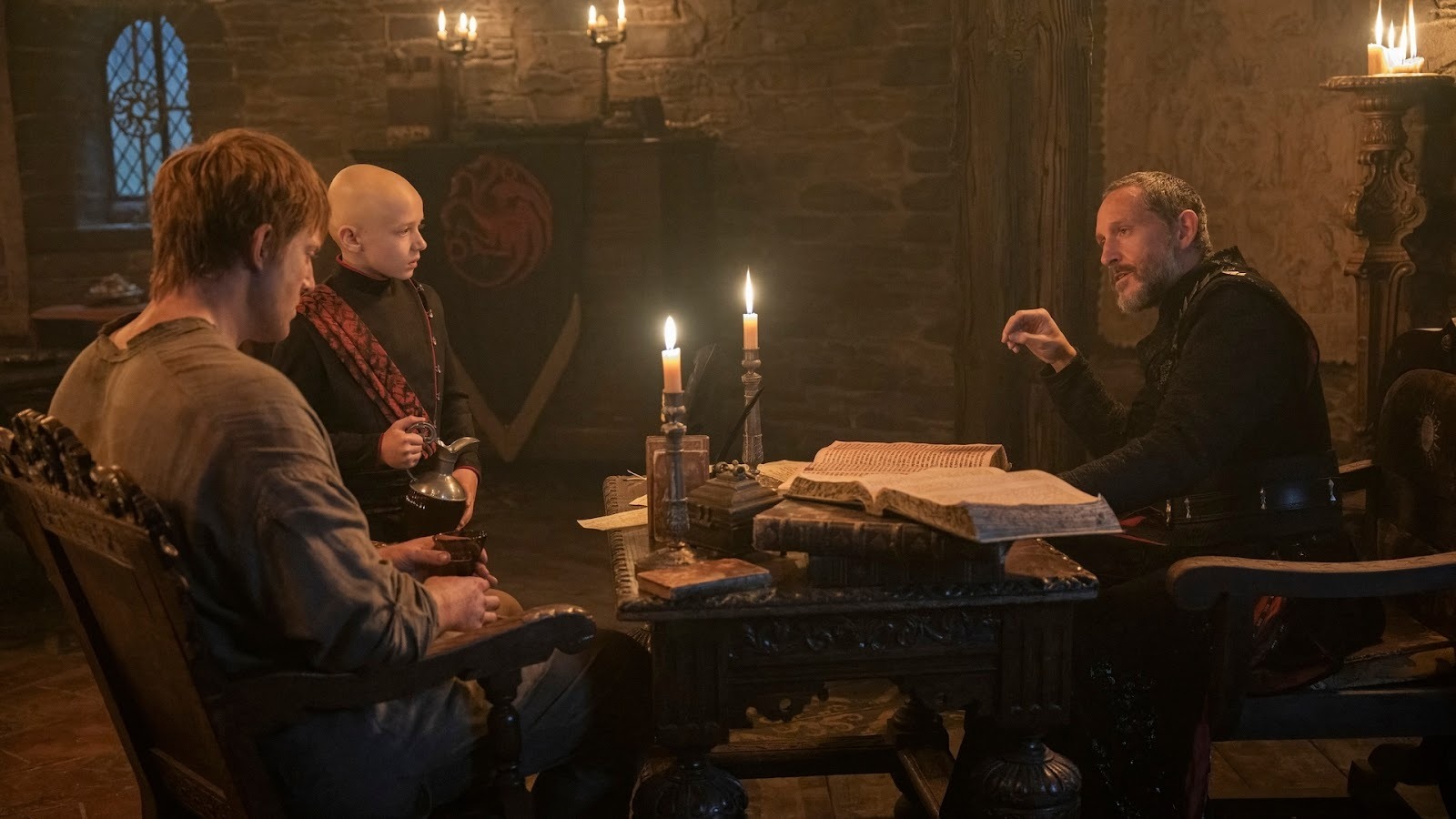
For one, the series is refreshingly restrained. Even its opening titles reject the sprawling, animated map of Westeros that became synonymous with Game of Thrones. Instead, the intro is brisk and direct; a subtle metaphor for the show’s identity. With just six tightly constructed episodes, each hovering around the half-hour mark, the series feels purposeful. There is no bloat, no indulgent spectacle for spectacle’s sake.
Importantly, it avoids the trap that has ensnared so many fantasy prequels and extensions, including House of the Dragon: it does not attempt to replicate the tone or scale of its predecessors. The dragons may exist, the Targaryens may rule, but they remain background figures. This is a character-led story first.
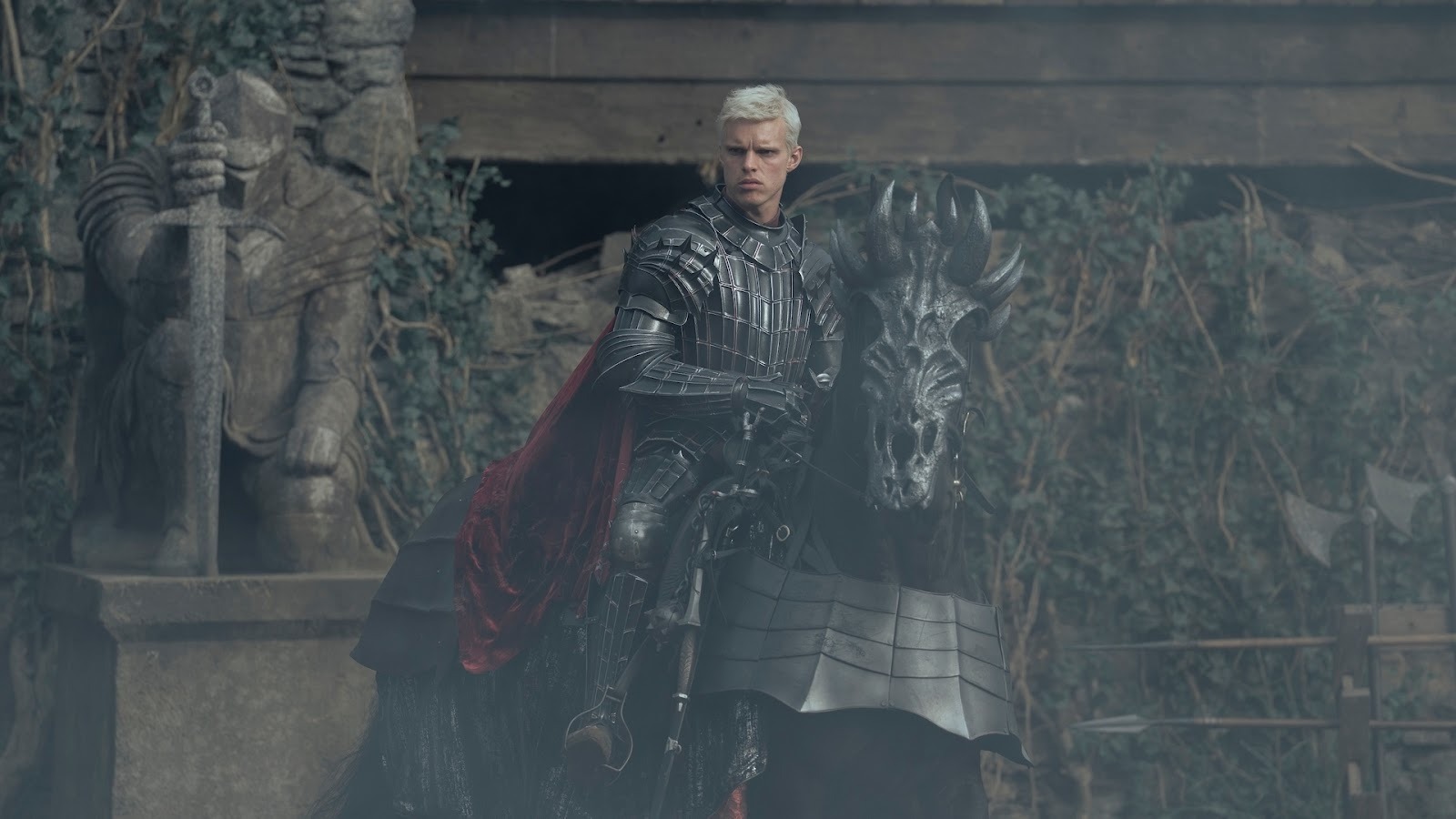
And what a character to centre it on! One of the many aspects that gave the franchise its identity was its deconstruction of heroism, beginning with the shocking death of Ned Stark (Sean Bean). For over a decade, audiences have been conditioned to expect that nobility will be punished, that honour is naïve. From Robb Stark (Richard Armitage) to Jon Snow (Kit Harrington), good intentions often led to tragedy. Modern fantasy television has frequently mirrored that cynicism, from Rings of Power to The Witcher.
Dunk, however, stands defiantly sincere. He is not a chosen one and lacks secret royal lineage or destiny-shaped gravitas. He is simply a man trying to do right by a code he barely understands but deeply believes in. That simplicity is his strength. He is not the most complex resident of Westeros, yet he is perhaps the most relatable. In a world of schemers and tyrants, Dunk represents the everyman: flawed, earnest and striving.
This tonal shift is invigorating. It harkens back to older heroic traditions without slipping into parody or nostalgia. Yet the show never becomes saccharine. Martin’s sharp narrative instincts remain intact: danger still lurks, and consequences still carry weight. The looming lore of Westeros hangs over the tournament like the shadow of a dragon’s wing.
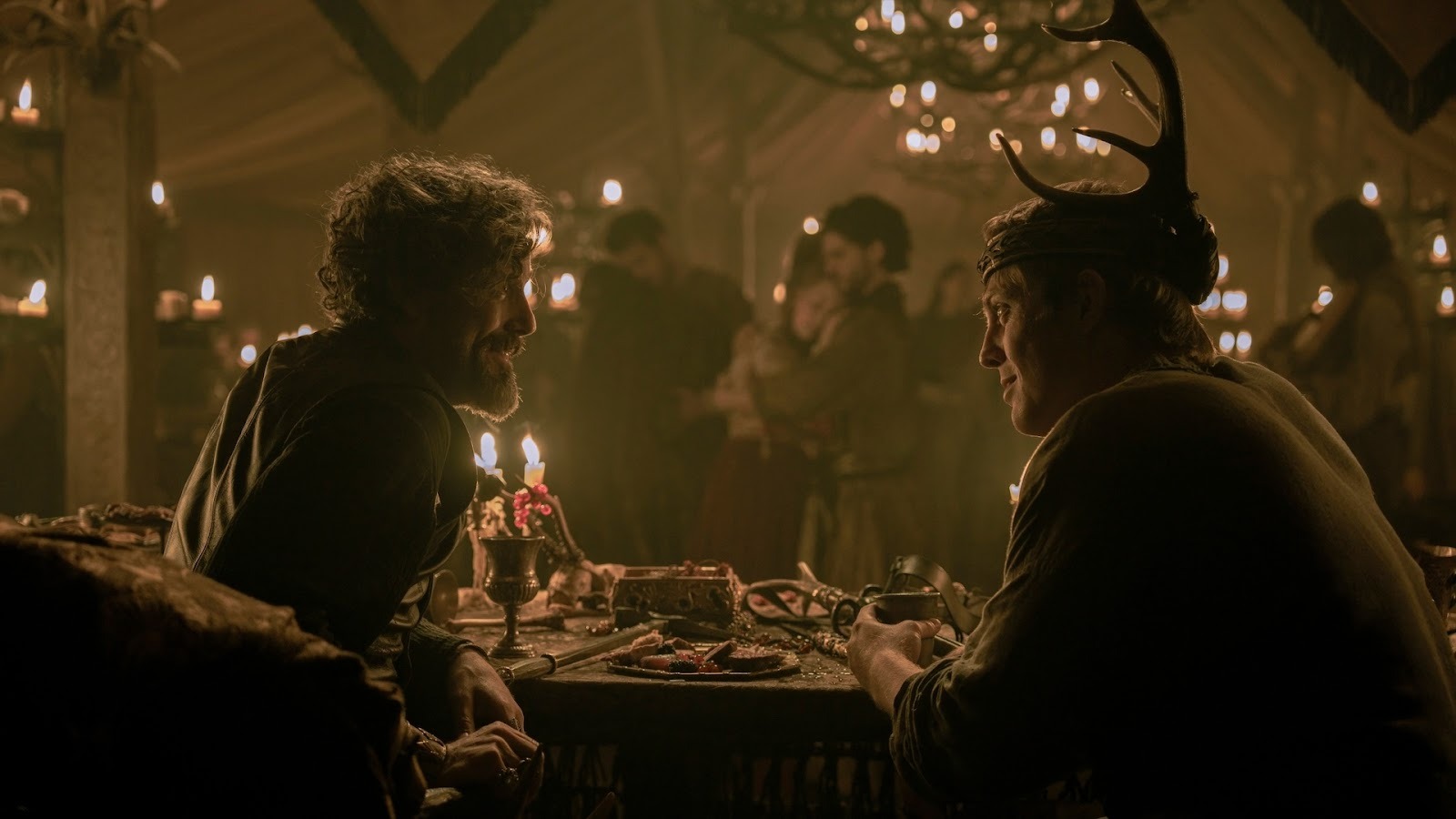
The supporting cast enriches this tapestry. Bertie Carvel brings gravitas and warmth to Baelor Targaryen, the then-prince to the Iron Throne. Meanwhile, Daniel Ings delivers a scene-stealing turn as Lyonel Baratheon, whose swagger and blunt charm threaten to upend every room he enters. These performances ensure that even as the scope narrows, the world never feels small.
If Game of Thrones revolutionised fantasy television with its operatic scale and moral bleakness, A Knight of the Seven Kingdoms proves that the genre’s future may lie in something more grounded. It reminds audiences that heroism, when written with sincerity and restraint, can still captivate. In trading dragons for dignity and apocalypse for personal integrity, the series does not diminish Westeros, it deepens it.
Like Dunk himself, this spin-off may appear humble at first glance. But give it time, and you may find it standing taller than giants.
Words by Joseph Jenkinson
Support The Indiependent
We’re trying to raise £200 a month to help cover our operational costs. This includes our ‘Writer of the Month’ awards, where we recognise the amazing work produced by our contributor team. If you’ve enjoyed reading our site, we’d really appreciate it if you could donate to The Indiependent. Whether you can give £1 or £10, you’d be making a huge difference to our small team.