

In the cinema landscape of 2026, IMAX is something we take for granted. Not a blockbuster goes by without an enticing stint on ‘the biggest screen possible’, and IMAX-certified screens are popping up in more multiplexes than ever. This has cemented in our minds that the format is best (or only) suited to spectacle: action, bombast and vivid colours. However, it seems that its growing popularity has led to IMAX broadening its reach, with a release slate including the Spanish road-trip thriller Sirāt later this month.
IMAX started off as a niche experience. The screens were popularised first in museums and science centers, exhibiting spectacular documentaries: pure image and sound, with no story. As it became more standardised, the potential for higher-resolution images and a taller vision-filling aspect ratio bled into feature films, particularly for stand-alone action sequences, and Christopher Nolan was an early adopter. In his Batman movies, for example, the screen ‘breathes’ out into the almost-square IMAX frame for many scenes.

At first glance, Sirāt is an unlikely film to be boasting an IMAX release in its trailer. A festival darling set in remote Morocco, it performed well with critics in its Cannes premiere, scooping up the Jury Prize—not exactly Avengers: Doomsday. And yet the jaw-dropping landscapes, explosions and massive subwoofers in the trailer surely scream out for the biggest screen available. As a point of clarity, ‘true’ IMAX films are still pretty rare. Sirāt, as with many others released in this manner, was not shot on full-size IMAX film stock due to financial and practical restrictions (these cameras are so loud that it mostly makes dialogue impossible). However, the IMAX brand encompasses theatre screens as well as camera equipment, to which films can be optimised and played on; these are not only larger but taller in ratio, with a more advanced sound system to boot.
The establishment of this format proved serendipitous recently with last year’s release of One Battle After Another, shot on the vintage Vistavision format: film run horizontally through the camera. It just so happens that this creates a native aspect ratio of 1.5:1—as good as non-existent in today’s film industry, but almost identical to the 1.43:1 of full IMAX. Thus, Paul Thomas Anderson’s endorsement of IMAX screenings had a valid artistic argument, over and above the inflated ticket price, as being the closest approximation of his vision.
In an era when so many commentators are worrying about small-screen home media drawing people away from theatres, the promotion of IMAX can be seen as a response. One Battle After Another exemplifies the twinned advantages of the format. Not only does it enhance the liveness of the theatrical experience, the eye-popping thrill of a good action sequence on an even bigger screen, but it physically gives us more than we can see at home. Much to the chagrin of many collectors, physical and streaming releases still mostly feature the widescreen version from regular theatre screens, and thus the limited IMAX tickets have a stronger draw.
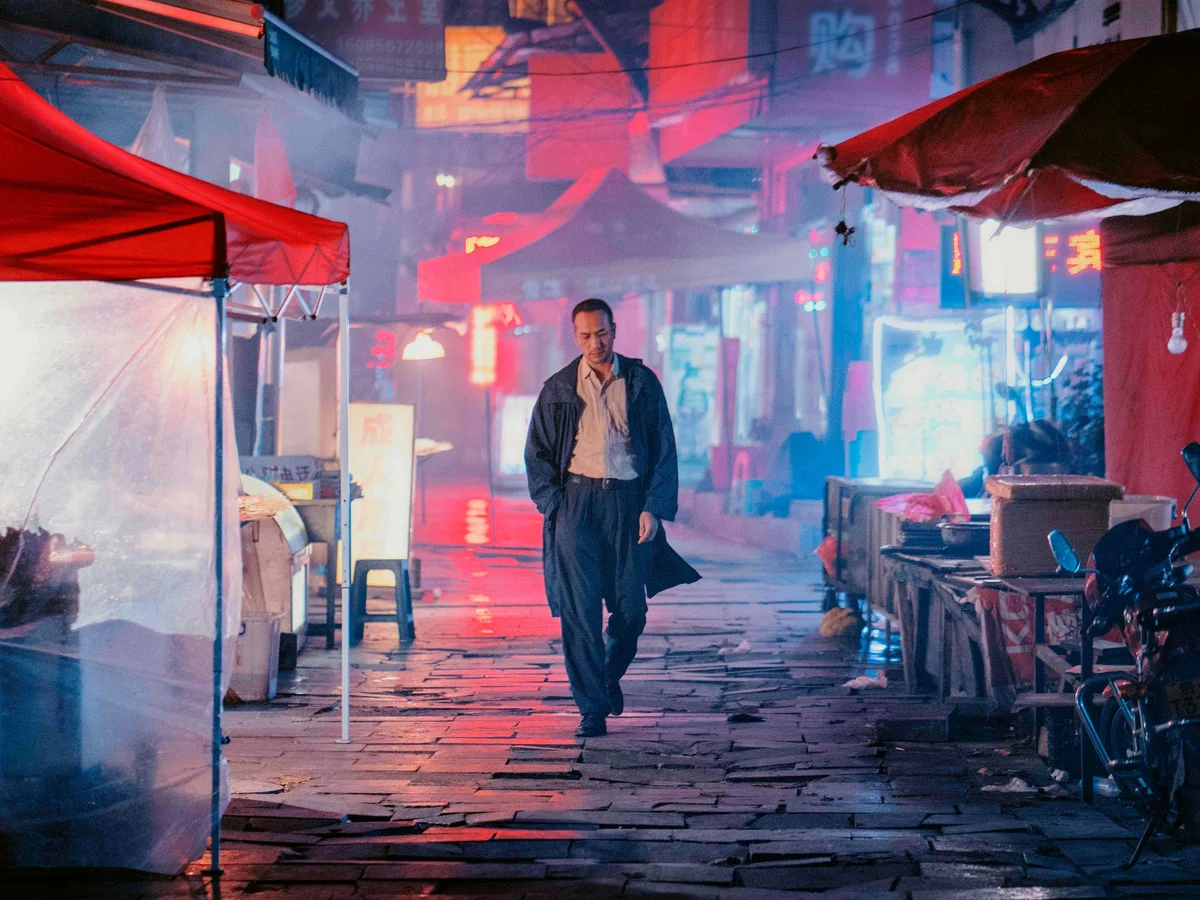
3D makes for an interesting comparison as an exclusive experience for cinemagoers, but its pull seems now to be fading. It was similarly marketed to enhance action and immersion in blockbuster cinema, and the artistic potential of physical depth did find more esoteric uses. As recently as 2018, the beautiful yet hypnotically slow Long Day’s Journey into Night featured an hour-long dream sequence in 3D, prompting many baffled reactions on its home release in China. Nonetheless, it feels that this was perhaps too much of a gimmick to act as a sustainable attraction for audiences; James Cameron has become the last bastion of support with his Avatar franchise, and even those are losing their novelty.
Comparisons have already been drawn to the film landscape of the 1950s, when film studios were contending with a threatened industry. During this decade, particularly in America, televisions were becoming household staples and cinema audience figures were dropping. The only solution was to find ways that cinema could demonstrate its validity by offering something different to television; through experimentation with film stock, widescreen processes were developed to distance themselves from the boxy black-and-white images accessible at home. (Incidentally, it’s ironic that the full IMAX aspect ratio of 1.43:1 takes us closer to the shape of 1950s television, which producers had previously fought so hard to work against.) You only have to look at posters from some of these 1950s epics, with words like Cinemascope and Technicolor taking up more space than the cast, to see how Hollywood was determined to persuade people that cinemas were the ultimate venue.
The very fact of these screens offering a different version to regular theatres has had the benefit of getting people talking. Cinema culture has borne witness to a new familiarity about film formats, for purely practical reasons: with more choice, audiences have to make an active decision on their preferred ticket price. Or, to put it another way, people are becoming empowered to make this choice. As cinemas diversify, it would be easy to swamp general audiences who are not necessarily worried about which version of a film they are about to see. Instead, we have seen promoters admirably taking on this challenge—Ryan Coogler announced Sinners’ release with a mini-masterpiece in film education, explaining the different screening options and the benefits of each.
Instead, it is filmmakers like Coogler that IMAX has to thank for it becoming such a readily available and diverse option for filmgoers. Without Nolan making the case for these screenings so publicly, it is unlikely that a film like Oppenheimer—an atypical IMAX release, being a black-and-white courtroom drama for most of its runtime—would have been so ground-breaking in its success. Hopefully now that audiences have put their trust in these established filmmakers, new directors can follow: pushing the boundaries of this prestige format, and once again carving out a place for cinemas.
Words by Max King
Sirāt is out in UK cinemas on 27 February.
Support the Indiependent
We’re trying to raise £200 a month to help cover our operational costs. This includes our ‘Writer of the Month’ awards, where we recognise the amazing work produced by our contributor team. If you’ve enjoyed reading our site, we’d really appreciate it if you could donate to The Indiependent. Whether you can give £1 or £10, you’d be making a huge difference to our small team.