
As the eagerly awaited film adaptation of Emily Brontë‘s Wuthering Heights, starring Margot Robbie and Jacob Elordi, draws closer to its 13 February release date, the literary world is once again bracing for the intoxicating and primal energy of this story. Regardless of the striking cinematography in the trailer, and the film—directed by Emerald Fennell—promising a bold, stylised reimagining of this 1847 classic, the original text still remains a definitive study of obsessive passion. To understand the excitement surrounding Robbie’s Catherine and Elordi’s Heathcliff, one must return to the rocky, windswept Yorkshire moors where Brontë first penned this eerie masterpiece.
Emily Brontë was the most enigmatic and private of the Brontë sisters, and her writing was remarkably different from the polite Victorian moralism of her time. The book, which is more of an exploration of emotional horror than a traditional romance, revolves around the catastrophic relationship between the foundling Heathcliff and his soulmate, Catherine Earnshaw.
“My love for Heathcliff resembles the eternal rocks beneath: a source of little visible delight, but necessary. Nelly, I am Heathcliff! He’s always, always in my mind: not as a pleasure, any more than I am always a pleasure to myself, but as my own being.” Catherine sobs, highlighting a spiritual dependency that disregards social status, religious propriety, and even the line between life and death. Their love is famous for being defined as a fusion rather than a decision. However, for the sake of social status, Catherine finally decides on the affluent, sophisticated Edgar Linton, which sets off a multigenerational cycle of retaliation that devours everyone in its path.
The novel is so brilliant because of its complex narrative structure. Instead of using an omniscient narrator, Brontë employs a “frame narrative” which forces the reader to assume the role of a detective. The story is first recounted from the viewpoint of Mr. Lockwood, a city man who keeps a diary after having a horrific encounter with a ghost. The rest of the story is then told by the housekeeper, Nelly Dean. Both narrators are blatantly unreliable; Lockwood is a conceited outsider who repeatedly misunderstands the events, while Nelly is a biased participant whose moralising frequently hides her own role in the disaster. The irrational and frenzied outbursts of the protagonists look like uncovered secrets because of the psychological distance this layering creates.
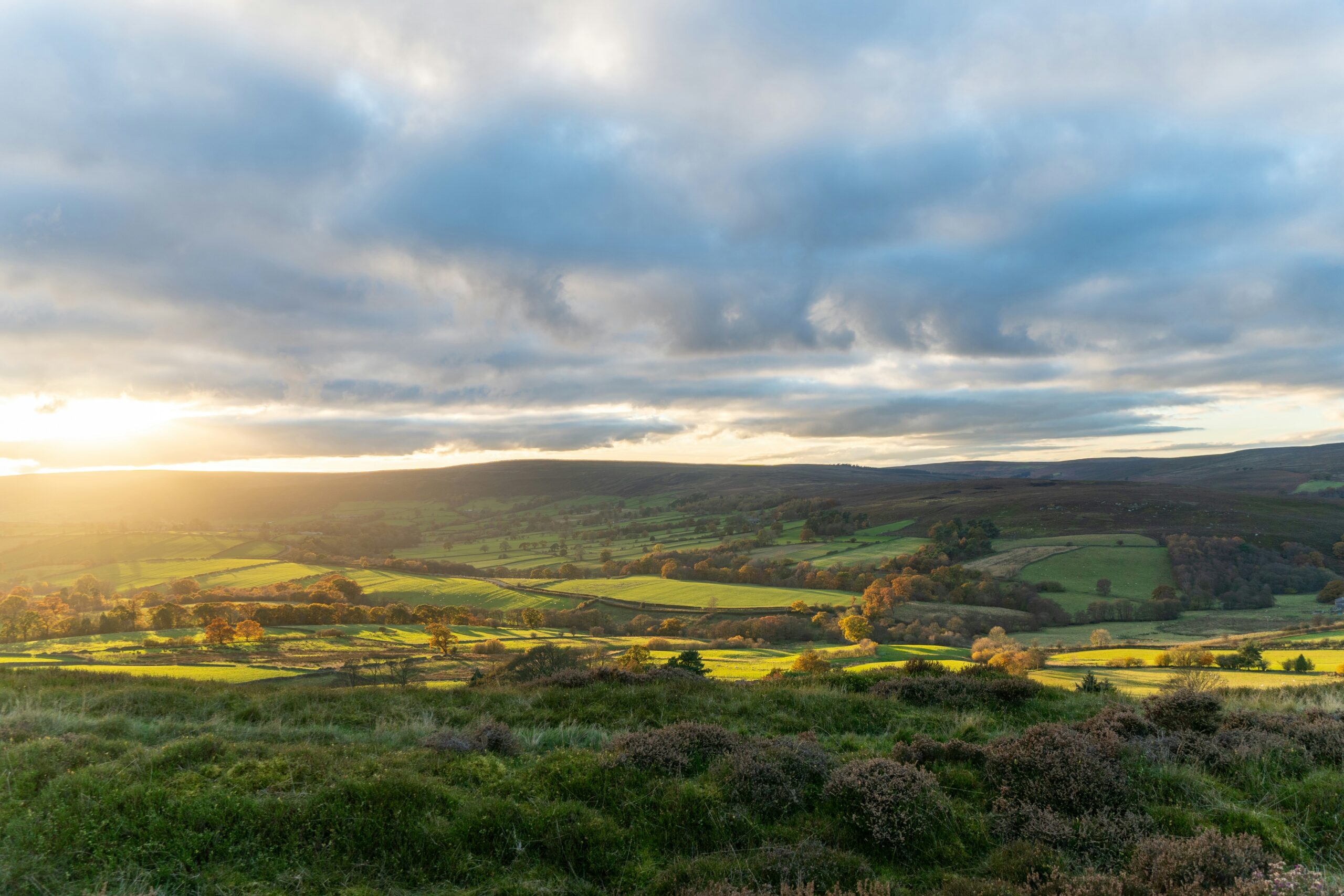
Heathcliff is one of the most polarising figures in English literature. He is a Byronic hero to the extreme, a victim of childhood maltreatment who becomes a domestic tyrant. His desire for vengeance is a conscious endeavour to seize the estates of the Earnshaws and Lintons in order to destroy his enemies using the same social structure that turned him away. However, the book claims that his violence is merely an indication of his unmanageable sadness. The environment of the Yorkshire moors, where nature is pure, dangerous, and indifferent to the “civilised” society that Thrushcross Grange symbolises, reflects this psychological struggle.
In the end, Wuthering Heights serves as a warning about the terrible results of concealing one’s true identity. While the first half of the book is a tempest of hatred, the second half offers a tenuous ray of hope through the children of the original protagonists. The final coupling of the younger Cathy and the rugged Hareton Earnshaw suggests that a balanced love that incorporates passion, education, and kindness can end the trauma cycle. Brontë’s novel serves as a reminder that true obsession is a fire that leaves only ghosts in its wake, as we get ready to watch Robbie and Elordi ignite this “forbidden passion” on the big screen this Friday.
Emerald Fennell’s “Wuthering Heights” comes to UK cinemas this Friday 13 February 2026.
Words by C. Sharmishtha
Support The Indiependent
We’re trying to raise £200 a month to help cover our operational costs. This includes our ‘Writer of the Month’ awards, where we recognise the amazing work produced by our contributor team. If you’ve enjoyed reading our site, we’d really appreciate it if you could donate to The Indiependent. Whether you can give £1 or £10, you’d be making a huge difference to our small team.