
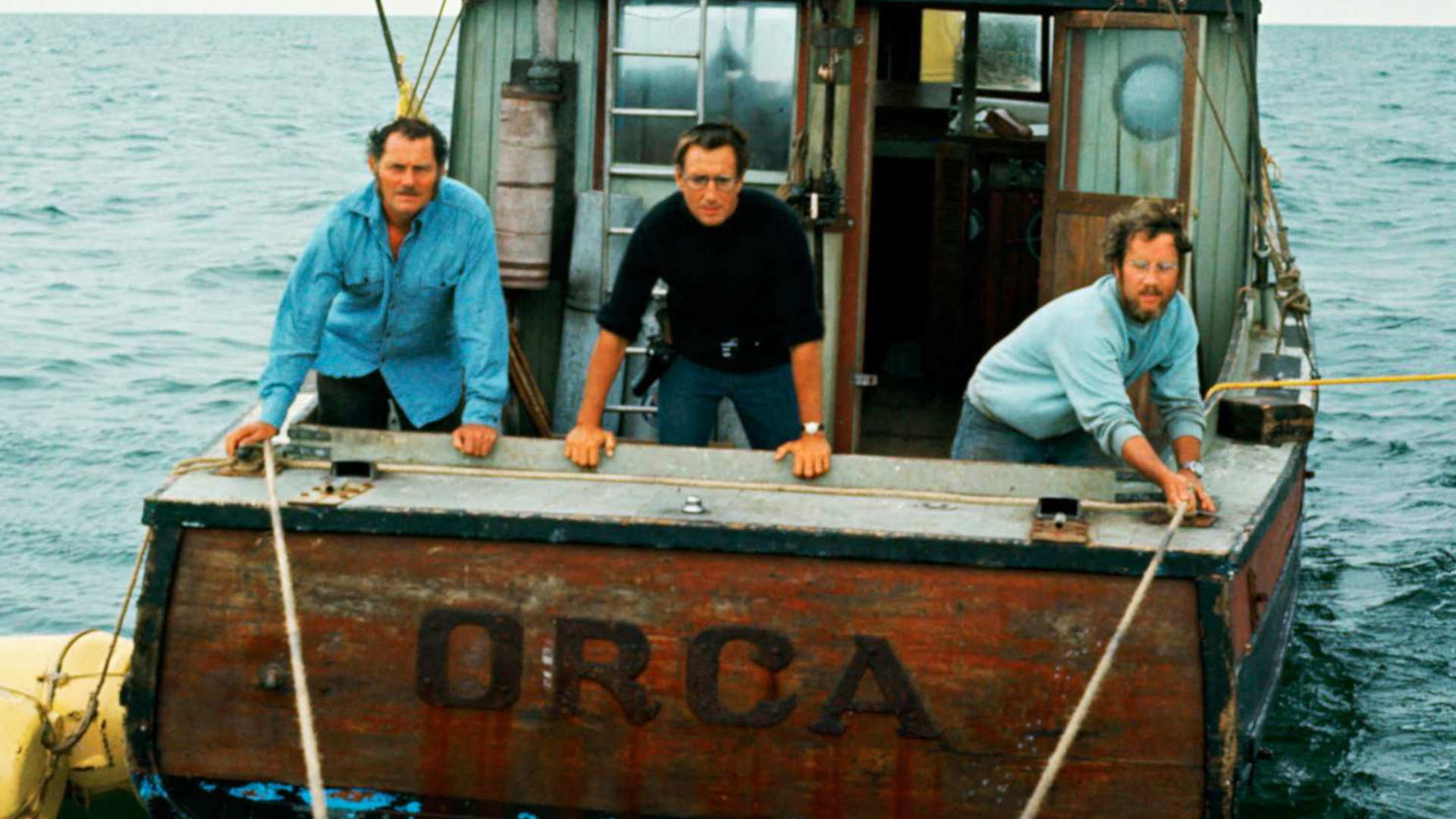
Five decades after first terrifying cinemagoers, Steven Spielberg’s Jaws is returning to the big screen for one day only on 29 August. The “original summer blockbuster” is ranked as one of IMDb’s greatest films of all time, and its legacy stretches far and wide.
The film’s animatronic shark—affectionately named “Bruce”—may have been just rubber and steel, but its impact sparked decades of fear, and a lasting shift in how the world views sharks.
Jaws capitalises on one thing: our innate fear of the unknown. And it does it well. We may not properly see the mechanical great white until midway through the epic, but by then a dorsal fin and John Williams’ two-note score have left our spines tingling and terrified for what’s lurking under the surface. The instantly-recognisable “duuh dum” has become synonymous with sharks; if you don’t hear it in the back of your mind as waves lap over your toes, consider yourself lucky.
Psychologists have a term for this unease: ‘thalassophobia’, the fear of open bodies of water and what’s lurking in them. Following Jaws’ release, it seemed everyone was petrified of what could be mere feet below the surface. One study found the film exacerbated a fear of sharks (galeophobia), with several saying they avoided the water for several months after seeing it. Some theorists even suggest beach attendance dropped in the summer of 1975 after Jaws’ June release, though data for this is murky.
One thing’s for sure: watch Jaws, be terrified.
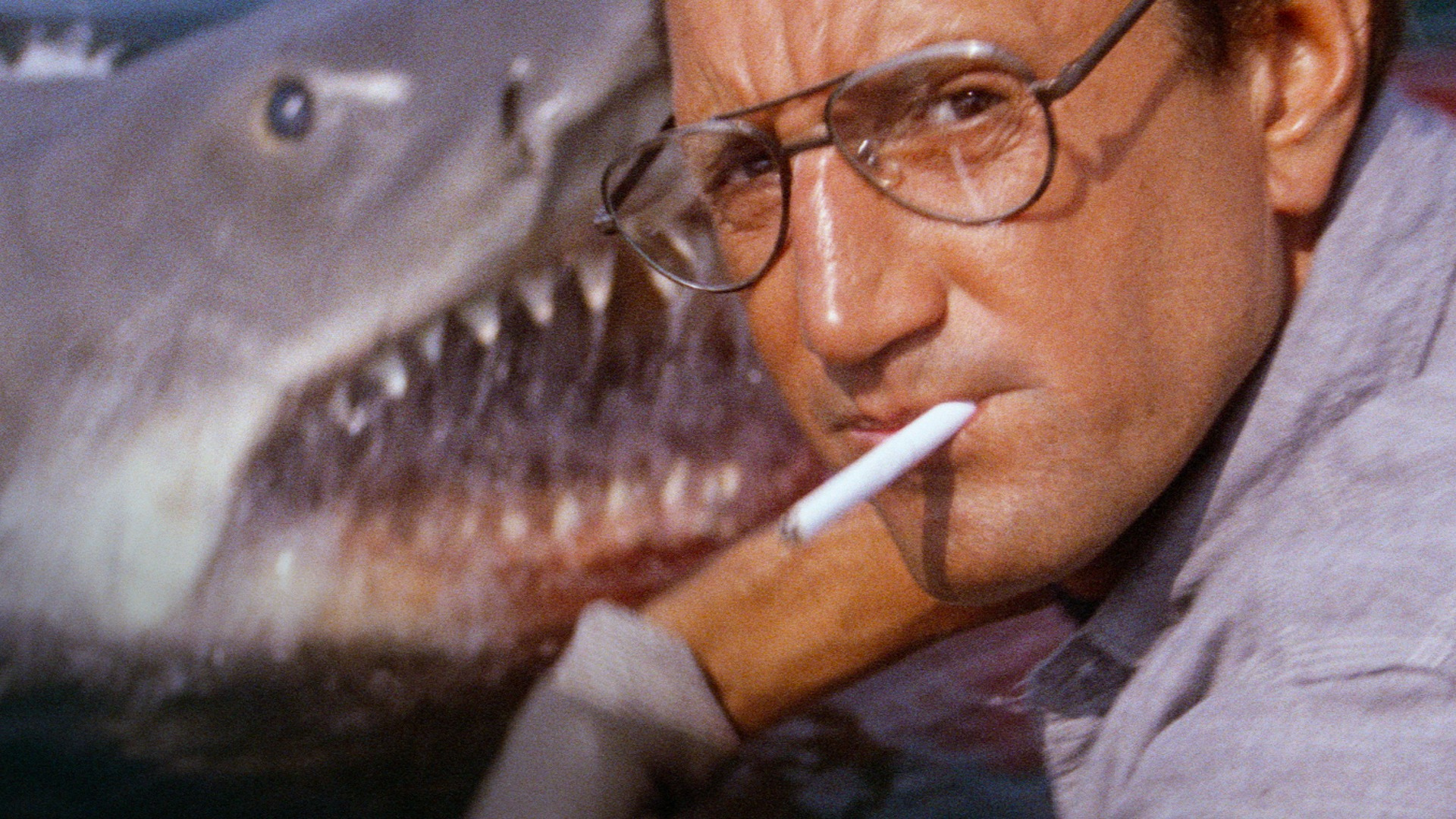
This increased fear didn’t just change how people felt about a seaside swim—there were detrimental effects to the species. In the years following the film’s release the number of large sharks along the eastern seaboard of North America fell by 50%, largely due to amateur trophy hunting. Sharks weren’t just a threat, they were the enemy. This phenomenon that swept the globe was branded the “Jaws Effect” by scientist Dr. Christopher Neff.
Marine biologist Chris Lowe told ABC News: “Because people’s perceptions of sharks were negative, it made it easier to allow and justify the overfishing of sharks.”
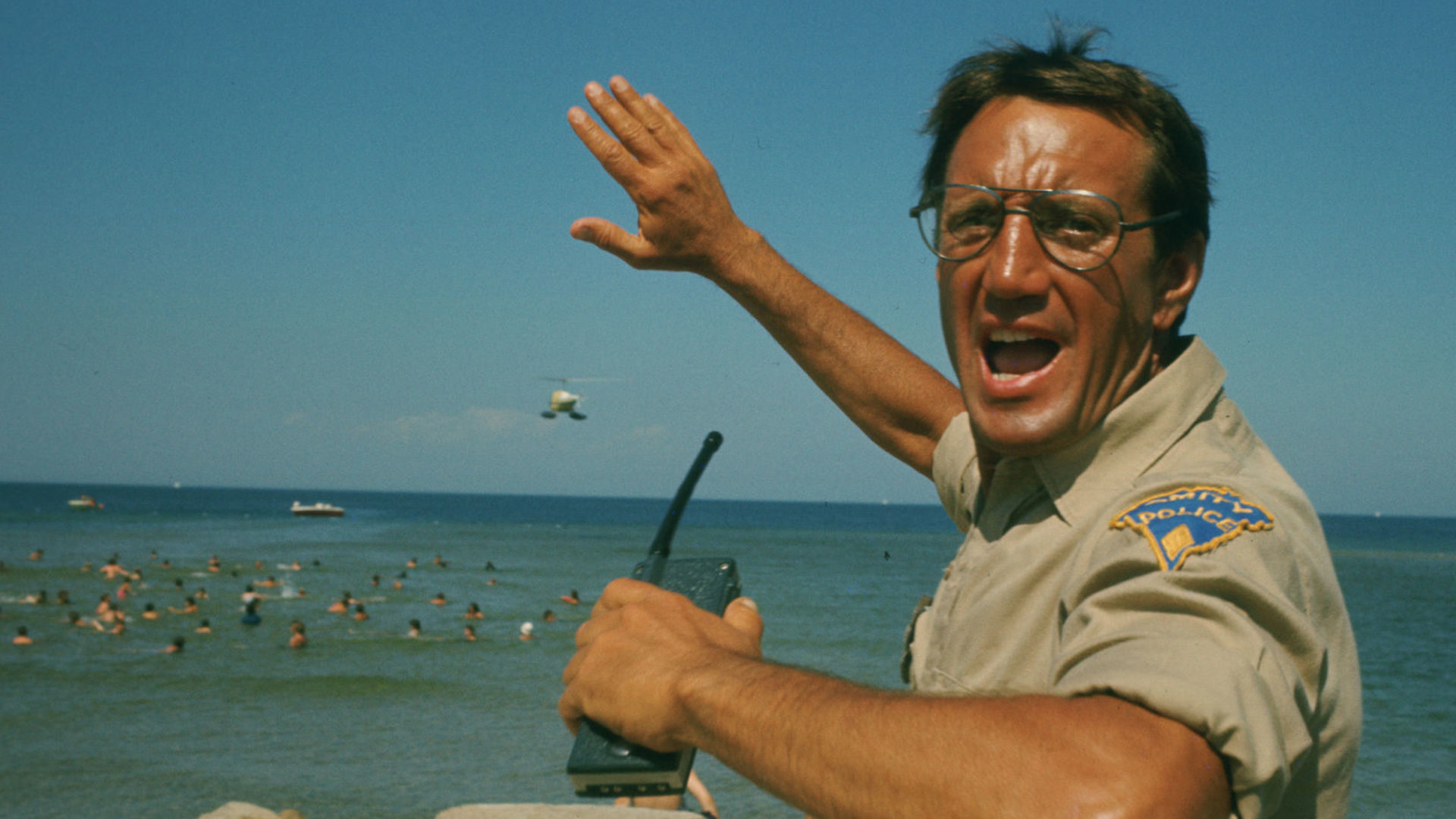
When Jaws depicts a revenge-driven monster tracking down individual targets, it’s easy to see how people could hold a grudge. 50 years ago, without the internet or the research we have now, we couldn’t learn that sharks simply don’t swim up and down the coast of a seaside town to aggravate the local chief of police and snack on its residents.
Larger breeds such as great white, hammerhead, and tiger sharks that mostly took the brunt of this, though by 2025 approximately 37% of all shark species are classed as “threatened”, according to the IUCN Red List.
Both director Spielberg and Benchley have spoken about their regrets regarding Jaws’ effect. Speaking on Desert Island Discs, Spielberg said the film’s impact on the shark population was something “I truly and to this day regret.”
Benchley, who has written several novels about underwater creatures, later admitted to Animal Attack Files in 2000: “What I now know, which wasn’t known when I wrote Jaws, is that there is no such thing as a rogue shark which develops a taste for human flesh.”
Nevertheless, he knew he’d “touched a nerve in the public psyche”.
Wendy Benchley, his widow and ocean conservationist, told National Geographic: “[Peter] said many times that he would not write a novel like Jaws again. Sharks are too magnificent, an evolutionary marvel 450 million years old and vital to ocean life. Destroying them is a recipe for long-term decline—not just for sharks, the entire ocean.”
In the same article, marine biologist and shark researcher Yannis Papastamitiou noted: “[Jaws] wasn’t meant to be scientifically accurate. I do think today that if Jaws were made, it would have a conservation campaign to make clear that it’s a work of fiction.”
In a world where films are collaborating with every company and organisation under the sun—evident, for example, in the $150m marketing budget of 2023’s Barbie—it’s a shame that the re-release of Jaws hasn’t been tied with a conservation or educational focus. Benchley himself dedicated his later years to ocean (particularly shark) conservation, publishing Shark Trouble in 2002 to share his learnings and dispel media catastrophising surrounding the creatures. His legacy continues through his “Save the Sharks” campaign and his wife’s activism.
Fortunately, there are signs of slow change. ITV’s Shark! Celebrity Infested Waters released this summer to coincide with Jaws’ anniversary. Though it sounds sensationalist, upon watching it’s clear the show’s aims are to promote conservation and educate viewers that sharks are typically uninterested in humans.
Because it’s true—while these majestic creatures have fallen victim to defamation through horror films and media frenzies, in reality, fewer than 10 people are killed by sharks each year, and no shark on the planet deliberately hunts humans.
Your nerves may be on high alert when the sand is out of reach and the waves are rising around you, but that’s an evolutionary instinct—a fear of the unknown, a desire not to drown—rather than the fault of a mostly-harmless creature. And the sooner we realise that, the better.
Words by Sophie Coombs
Support the Indiependent
We’re trying to raise £200 a month to help cover our operational costs. This includes our ‘Writer of the Month’ awards, where we recognise the amazing work produced by our contributor team. If you’ve enjoyed reading our site, we’d really appreciate it if you could donate to The Indiependent. Whether you can give £1 or £10, you’d be making a huge difference to our small team.