

Since the release of Benny Safdie’s recent film The Smashing Machine (2025) starring Dwayne “The Rock” Johnson, I have been exploring the pattern of a star being reborn in the Safdie Brothers’ films.
First, we saw Robert Pattinson in Good Time (2017)—otherwise known for The Twilight Saga (2008-2012), a series of vampire teen romance films—the actor is now renowned to be one of the most ‘serious’ actors of contemporary times, working recently with auteurs such as Bong Joon Ho and Lynne Ramsay. Then came Adam Sandler in Uncut Gems (2019), an actor otherwise known as a goofy, laidback, basketball-loving dad character, in films such as Grown Ups (2010), Blended (2014) and more. When I first saw Uncut Gems, Sandler broke away from that typecast, to great effect.
Now, Benny Safdie has gone solo with The Smashing Machine, and Dwayne Johnson is all dressed up in prosthetics and a wig to tell the story of MMA fighter Mark Kerr. I, and I am sure many others, know the wrestler turned actor from lighthearted comedies like Jumanji: Welcome to the Jungle (2017), the street racing film franchise Fast & Furious (2001-present) and even family-adored Disney princess film Moana (2016). It was therefore interesting to see Johnson play a role that seems to angle him for a nod from the Academy. The actor took to Instagram shortly after The Smashing Machine’s release to say that the film changed his life.

There is evidently a pattern to the Safdie brothers’ casting, altering the star persona of an already famous actor who is usually pigeonholed into less critically-acclaimed roles.
To me, the Safdie brothers have reframed the audience’s expectations of actors, altering their beloved star personas into critically-acclaimed, Oscar-buzzy performances. It often feels like this is what the actors have wanted to do all along—doesn’t every actor dream of an Oscar, of respected roles?
Critic Richard Dyer writes that stars are cultural constructions fans create. Even when they change their star persona, they remain popular; people do not mind change.
The Smashing Machine got me thinking about other times that directors have altered a star’s persona. Quentin Tarantino’s collaboration with John Travolta immediately came to mind.
Travolta’s career spans a range of genres, starting with his notorious disco and Elvis-dancing days in Saturday Night Fever (1977) and Grease (1978), and later, the less successful Perfect ( 1985). By the late 1980s to early 1990s, Travolta starred in the Look Who’s Talking family film franchise (1989-1993), about a baby with a fully grown conscience that the audience can hear the thoughts of. It is safe to say, these were not works of art. Then, several films later, came Pulp Fiction (1994).
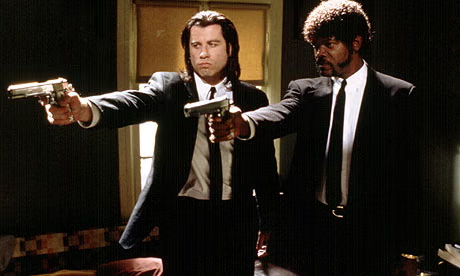
The film re-transformed the actor’s career, back into the safety net of five-star reviews and an Academy Award nomination. It also made a number of references to Travolta’s career to date. While not all viewers understand its intertextuality completely (if I can be so pretentious), such as its French New Wave, film noir and pop culture nods, but they probably understand Travolta’s tragic dancing in Jack Rabbit Slim’s as a sardonic twist on his star persona, a nod to his disco days. Mia Wallace’s (Uma Thurman) comment that he is an “Elvis man” is another nod to his resemblance to the star in his prime.
It is understandable to argue that stars put bottoms on cinema seats, especially given the revival of Travolta for Pulp Fiction, or Johnson in The Smashing Machine. Would Uncut Gems have been so successful at the box office if Sandler was not being ‘serious’ in a film for the first time? They attract an audience that would otherwise not attend a crime thriller or wrestling drama, bringing pop culture clout to proceedings and intriguing fans keen to see them in a new light. As critic Richard Dyer argues, stars are economic products; they sell tickets regardless of the genre switch.
Ryan Gosling springs to mind when I think of other actors who have altered their stardom – the star played the flamboyant boyfriend Ken of Barbie (2023), directed by Greta Gerwig. Gosling, however,is known for playing “serious” and heartbreaking roles; Blue Valentine (Derek Cianfrance, 2011) and Drive (Nicolas Winding Refn, 2011) come to mind. However, he has always been dynamic, for instance, adapting to the musical epic La La Land (Damien Chazelle, 2016), despite having no prior musical experience in the genre. Although the actor had experience in the comedy field before, such as with Crazy Stupid Love (2011), Barbie marked perhaps the first time the actor stepped into a complete fantasy role, and he did a stupendous job.
Another example is Rose Byrne, with the upcoming If I Had Legs I’d Kick You (2025). She’s been described by Slate as “one of the best actresses in comedy”, but this intense new film might land her an Oscar nomination.
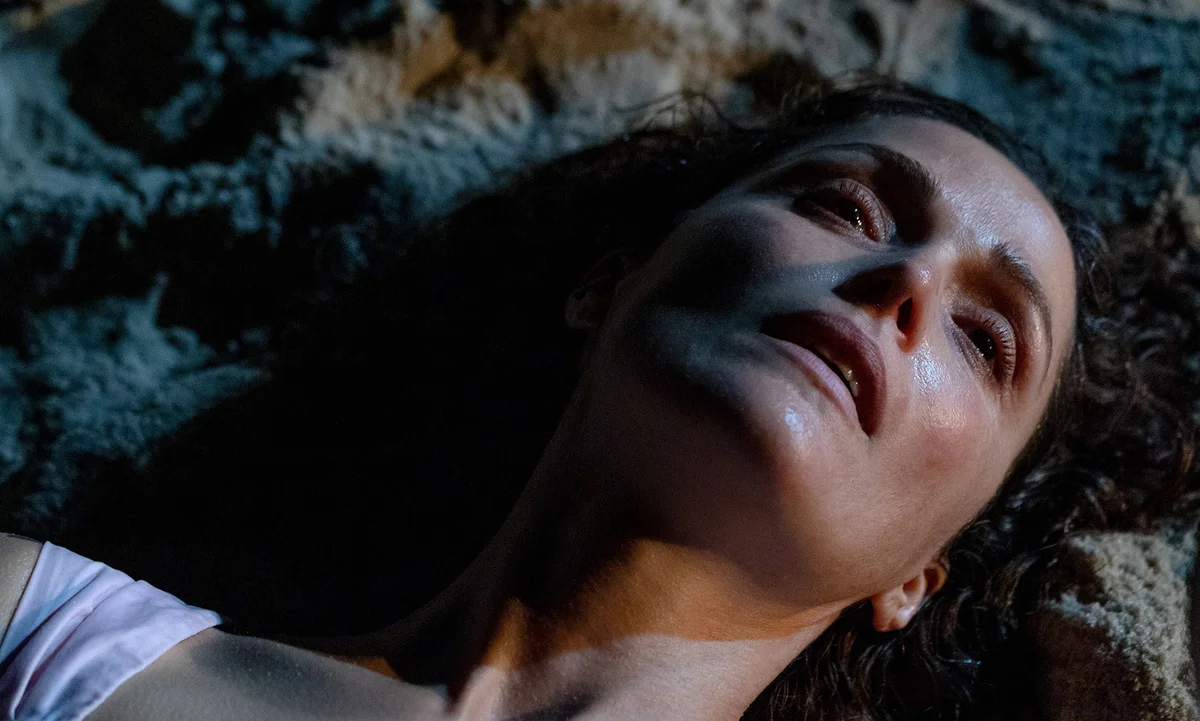
The Academy loves to see range, and when directors give stars like these the chance to break out of the genres they’re known for, it can appeal to both critics and the general public. Dwayne Johnson would never be nominated for an award for his performance in Fast & Furious, nor would Sandler expect to receive acclaim for Happy Gilmore 2 (2025). However, it’s important to consider if these Oscar-bait roles are more deserving of awards than their usual typecast, as surely that is what they do best? The Academy does not always reflect audiences’ opinions; The Smashing Machine flopped at the box office compared to many of Johnson’s other films. So why do stars choose to take risks and break out niches that already served them so well? The only reason I can think of is for awards, and to experiment.
Ultimately, the Safdie brothers’ lack of typecasting is incredibly refreshing. It is exciting to see stars take on new roles they would not usually play, showcasing the breadth of their talent. I’m excited to see which star they rebirth next.
Words by Tallulah Denyer
Support the Indiependent
We’re trying to raise £200 a month to help cover our operational costs. This includes our ‘Writer of the Month’ awards, where we recognise the amazing work produced by our contributor team. If you’ve enjoyed reading our site, we’d really appreciate it if you could donate to The Indiependent. Whether you can give £1 or £10, you’d be making a huge difference to our small team.