
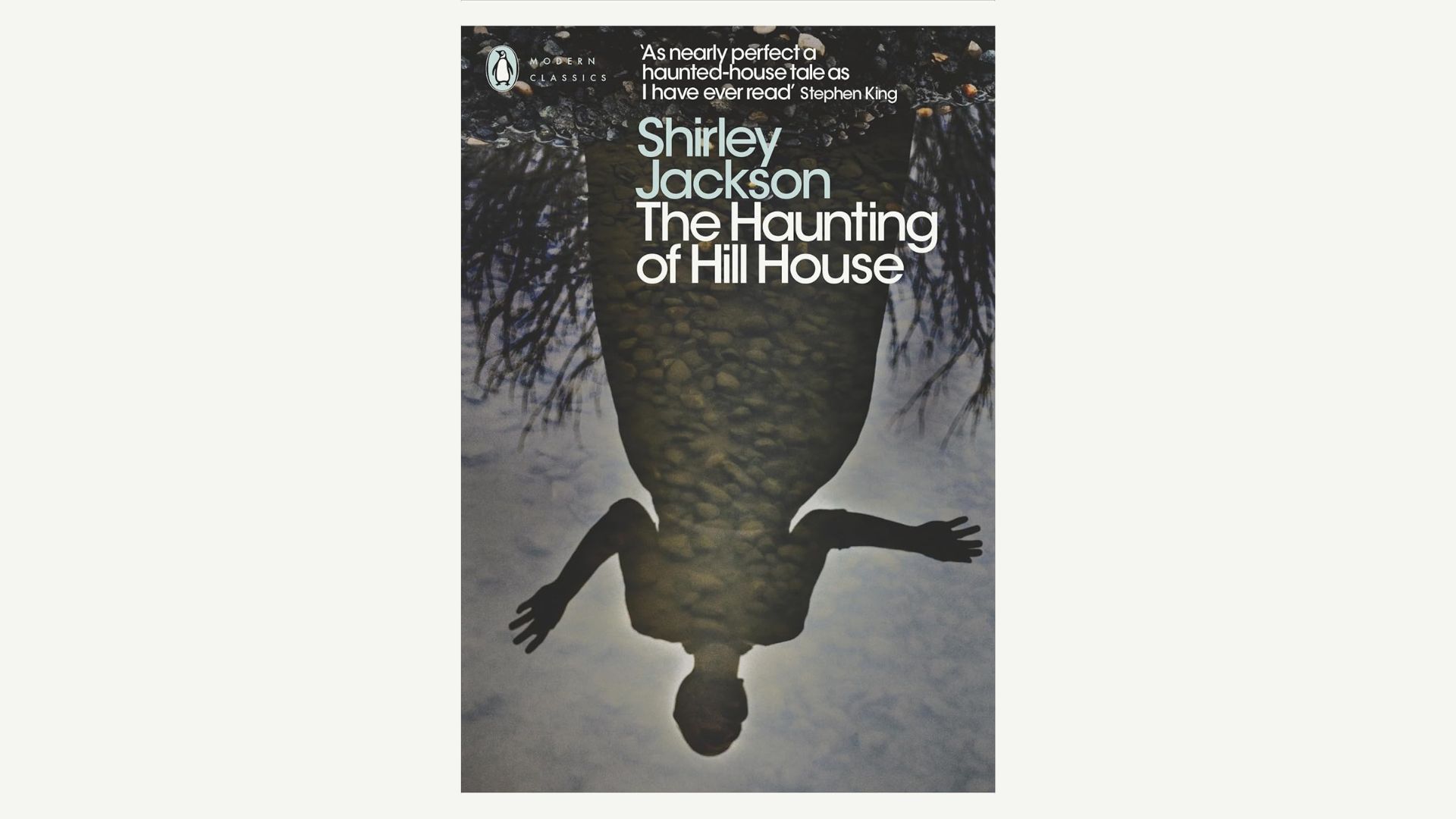
Haunting, disorientating and truly terrifying – Shirley Jackson’s The Haunting of Hill House is a staple amongst the horror genre. Whilst the novel itself is unrepeatable, there are various other novels that share its ability to explore psychological horror in an unforgettable way.
With the novel having gained popularity amongst modern audiences from its sensational 2018 screen adaptation by Mike Flanagan, these are just a few comparable but uniquely horrifying novels amongst the gothic genre.
We Have Always Lived in the Castle by Shirley Jackson
One simple way to find similar works to The Haunting of Hill House is through Jackson’s other lesser known novels, including The Lottery, The Sundial and the extraordinary We Have Always Lived in the Castle. Much like Hill House, the novel has the same gothic and uneasy atmosphere, however Jackson delves into themes of isolation and societal outcasts.
The novel follows Merricat Blackwood and her sister Constance who live in an isolated house with their Uncle Julian following the mysterious poisoning incident of their other family members years prior. Due to the questioning surrounding the incident, the town causes the family extreme hostility, with Constance having not left the house in years as a result. The novel is a truly unique and gripping tale, with undeniably complex characters and the strength of sisterhood being at the forefront. The peculiarity of both the family’s excluded lifestyle and each character’s motives makes for a captivating read.
The Ladie Upstairs by Jessie Elland
Jessie Elland’s debut novel The Ladie Upstairs, released earlier this year, has received endless praise for its complex and brutally authentic female characters combined with its gothic atmosphere. Despite it being her debut novel, Elland’s ability to create peculiar and morally grey characters is outstanding.
It follows Ann’s longing to become a lady’s maid at the Grand Ropner Hall, as well as her growing obsession of Lady Charlotte. The novel describes Ropner Hall as a disturbing character in itself, creating direct parallels to Jackson’s haunting personification of Hill House. Elland described Ropner Hall as “cold and distant and unloving” and “in the darkness, Ropner Hall came alive” – moving this femgore novel into the gothic genre.
As well as the clear Ropner Hall and Hill House comparisons, Elland’s unusual and complex female characters have remnants of Jackson’s tendency to write unstable and dysfunctional characters.
The Fall of the House of Usher by Edgar Allen Poe
Much like The Haunting of Hill House, Edgar Allen Poe’s fascinating The Fall of the House of Usher was taken on by director Mike Flanagan in 2023. Whilst Jackson and Poe have their own distinct writing, they share their themes of trauma, psychological decay – once again – and a house’s power over its inhabitants.
Despite Poe’s The Fall of the House of Usher only being a short story, it is considered a masterpiece among gothic literature. His ability to draw in readers through eerie descriptions is like no other, with his insight into the house and its atmosphere being one of his key focuses. At the beginning of the story he states that the house causes “a sense of insufferable gloom” and later that he “breathed an atmosphere of sorrow”. Similarly to Jackson, he describes the house as a symbol for his characters’ psychological decline. It is a dreary but compelling read, with the soul-destroying atmosphere and his character’s internal battle.
The Turn of the Screw by Henry James
Like Poe, Henry James is a household name in literature and, in his case, wrote a combination of literary realism and literary modernism. Like Jackson and Poe’s works – Mike Flanagan’s screen adaptation The Haunting of Bly Manor was loosely based on James’s gothic novella. Its exploration of evil and ambiguity regarding its supernatural elements makes it an idiosyncratic tale of horror.
The novella follows a governess who is hired to take care of children Miles and Flora at a remote estate named Bly. Comparatively to Jackson, the house and its unnatural atmosphere leads to the governess’s mental decline and believed apparitions of previous deceased governesses. Whilst similar to Jackson’s novel, it contains a much greater ambiguous ending and question of reality. It also explores, like Elland’s novel, the repression of Victorian society and the horrific and life-changing effects that it can cause.
Each novel has their own chaotic madness, pervading atmosphere and questioning of a possible horrifying supernatural. They all share a passionate exploration of the gothic and supernatural and the fragility of human existence. From renowned names like Henry James and Edgar Allen Poe to modern rising authors like Jessie Elland, remnants of Shirley Jackson’s work isn’t going anywhere.
Words by Ella Clarke
Want more Books content from The Indiependent? Click here