
For decades, filmmaking relied on the creativity and imagination of directors, writers, and producers. However, due to rising production budgets, intensifying competition, and the rapid growth of streaming services, studios have been pushed to rely on algorithms to guide creative decisions and forecast which projects are likely to succeed.
This shift toward “algorithm movies” is rooted in the industry’s growing obsession with minimising financial risk, therefore transforming the types of stories that we see on screen through favouring tested and predictable formulas. AI powered tools and predictive analytics promise a scientific approach to forecasting audience preferences and financial performance, replacing much of the creative gamble that once defined the greenlighting process.
Warner Bros, for instance, partnered with Cinelytic in 2020—an AI system that calculates the profitability of different actors, budgets, and franchises across global markets. Rather than assessing artistic merit, the platform assigns a financial ‘value’ to cast members while also predicting box office performance and potential revenue.
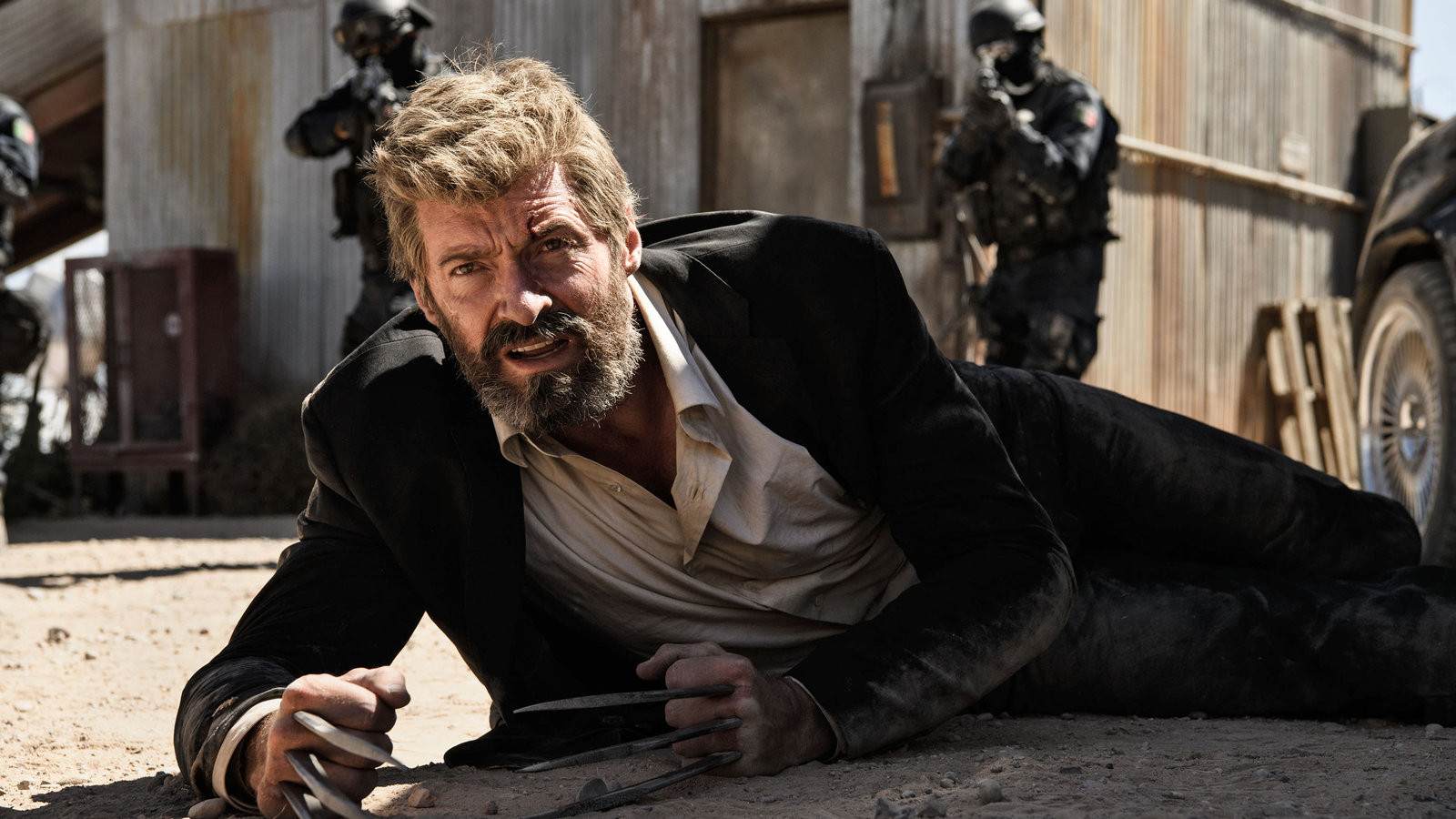
Earlier in 2018, 20th Century Fox revealed its use of Merlin, a similar system that applies machine learning to dissect trailers frame by frame, cataloguing objects, themes, and events. It then compares this data to past releases to identify which target demographics are most likely to respond, pushing studios towards projects aligned with proven audience preferences while sidelining ideas that don’t fit neatly into the data. Logan (2017) was one such film that used the technology.
Similarly, the company ScriptBook assesses scripts in detail to predict box office revenue, likely IMDb ratings, target audience profiles, and even ‘likability’ scores for characters. Founder Nadira Azermai has claimed that “if Sony had used our system, they could have eliminated 22 movies that failed financially” between 2015 and 2017, saving millions. While marketed as a tool to help studios make smarter investments, this kind of analysis reduces creative work to a series of metrics and favours patterns that have succeeded before. This could gradually narrow the diversity of voices, themes, and perspectives on screen, producing a cycle where originality is sidelined simply because it lacks a proven track record in the data.
Casting decisions are similarly shaped by data, with studios examining actors’ box office track records, social media influence, and demographic appeal to maximise audience reach. In some cases, an actor’s follower count, engagement rate, and online ‘brand’ can outweigh traditional measures such as acting range or suitability for a role. A recent example of this trend involves Amazon MGM Studios casting Kim Kardashian as the villain in their upcoming live-action Bratz movie. Online critics have disapproved the choice, arguing her immense fame and social media presence have overshadowed acting ability. While this type of casting may guarantee short-term visibility, it risks narrowing the industry’s talent pool to those with online influence, sidelining equally capable but less ‘marketable’ actors.
Moreover, marketing strategies have evolved into highly calculated operations. Netflix, for example, creates multiple trailers for the same film, tailoring them to different audience demographics based on age, geography, and viewing history. An action film might be promoted as a romance to one group and as a thriller to another. Studios like Marvel monitor social media to adjust adverts, hashtags, and promotional content in real time to capitalise on trending conversations. Algorithms even dictate which actors or scenes should feature in trailers to maximise clicks, shares, and ultimately, ticket sales and streams.
The industry’s heavy reliance on sequels, reboots, and established franchises, which are deemed ‘safe’ according to analytics, further reinforces how formulaic the industry has become. Research from EntTelligence highlights that out of the top 60 box office films since 2016 (excluding 2020), just five can be classified as original titles, with sequels being the majority of the industry’s highest-grossing films. This overwhelming preference for familiarity reflects how studios avoid taking risks and repeatedly tell the same story.
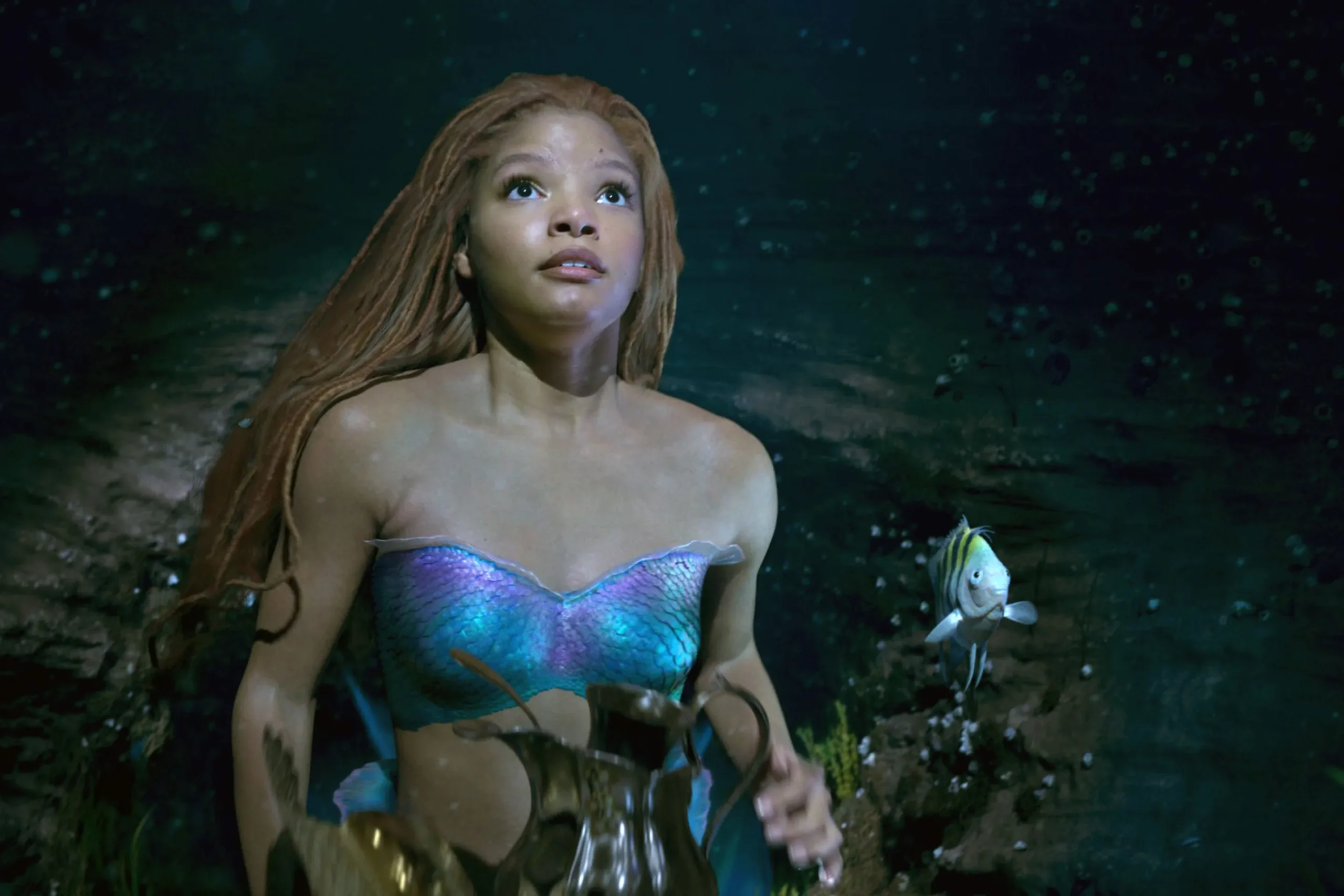
On the other hand, some remakes and reboots modernise familiar stories, challenging the traditional narratives they once reinforced. For example, Disney’s choice to cast Halle Bailey, a black actress, in their live action remake of The Little Mermaid sparked conversations about representation and broadening perspectives. This demonstrates that even in an industry that is increasingly being guided by risk aversion, there are still bold and creative choices that steer filmmaking.
Additionally, many major studios insist that AI and data analytics are merely tools to support human creativity, not replace it. In an interview with the New York Times, Ted Sarandos, co-CEO of Netflix, stated “AI is not going to take your job […] the person who uses AI well might take your job.” Industry leaders emphasise that technology can empower creators rather than undermine them, reducing financial risk without sacrificing originality and creativity.
Ultimately, the dominance of data-driven decision making in film not only threatens creative freedom but also jeopardises jobs and audience experiences. As studios prioritise predictive algorithms over artistic vision, screenwriters, directors, and actors face increasing pressure to conform to these formulaic templates. For audiences, this shift means fewer diverse and innovative films, instead replaced by an oversaturation of existing franchises and profit-focused projects. Data analytics may deliver short-term profits, but they do so at the cost of unique and groundbreaking stories being told.
Words by Zoe Lett
Support the Indiependent
We’re trying to raise £200 a month to help cover our operational costs. This includes our ‘Writer of the Month’ awards, where we recognise the amazing work produced by our contributor team. If you’ve enjoyed reading our site, we’d really appreciate it if you could donate to The Indiependent. Whether you can give £1 or £10, you’d be making a huge difference to our small team.