

Director Neeraj Ghaywan’s modest sophomore feature, following the changing fortunes of two childhood friends in Northern India, has moments of real emotional heft.
★★★☆☆
Almost six years on from the start of the COVID-19 pandemic, it feels like we’re only just starting to see the crisis being depicted on our screens as context rather than text. Much as it would be peculiar to set a film in Europe or the US during the early 1940s and somehow manage to avoid even cursorily addressing the Second World War, perhaps COVID’s global impact has been sufficiently seismic that any future 2020-set films will be more or less compelled to acknowledge it: if not as a starring player, then certainly as a grimly necessary piece of set dressing.
This unfussy second feature from Indian director Neeraj Ghaywan, which premiered in the Un Certain Regard strand at Cannes earlier this year, might just be the most uncannily accurate cinematic engagement with the pandemic we’ve yet seen—if only because the virus plummets with all-consuming force into the narrative about three quarters of the way through, its presence as unexpected for the viewer as it is for the characters in the film itself. What’s that about art imitating life?
Homebound finds its inspiration in an essay published in The New York Times by the Kashmiri journalist Basharat Peer, which recounts the true story of two young migrant workers attempting an arduous journey home across India at the start of the pandemic. The events of Peer’s article form the film’s climax, but Ghaywan, with the guidance of typically hands-on executive producer Martin Scorsese, has found in them a kernel from which to cultivate an entirely original story of his own. Shoaib (Ishaan Khatter) and Chandan (Vishal Jethwa) are childhood friends—the kind who are so close that it’s tricky, at least initially, to work out which of their pairs of parents belongs to whom. We first meet them on a heaving platform at a train station, as they’re about to sit the ultra-competitive state exams which they hope will enable them to join the police force. Chandan’s getting cold feet, and Shoaib has to remind him why they’re doing this in the first place: “When you wear that uniform, your faith and caste no longer matter. Once we become cops, no one will dare humiliate us.”
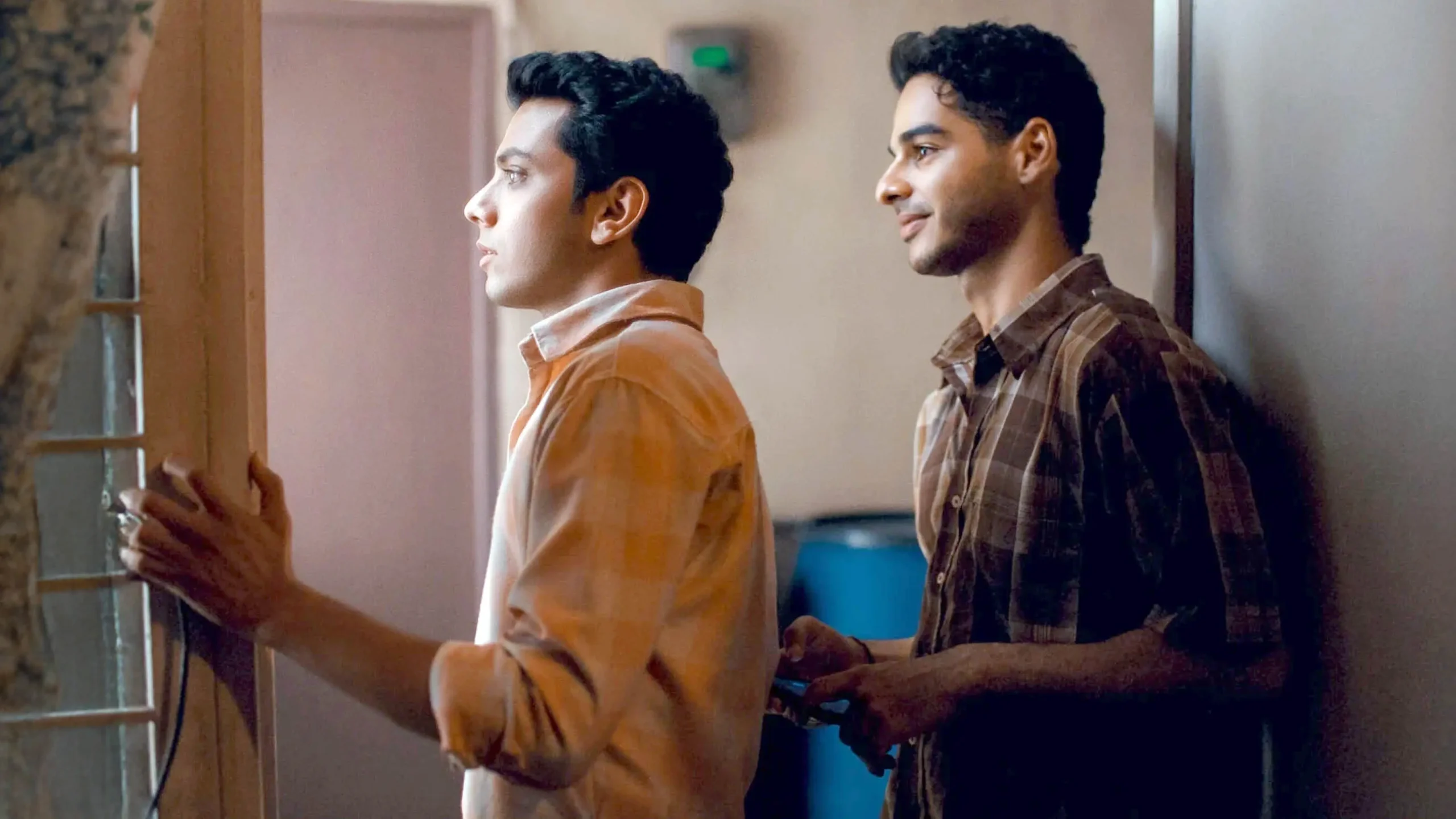
After over a year of anxious waiting, the pair find out that only Chandan has passed the exams: for apparently the first time, the trajectories of each of their lives has been knocked off kilter from the other’s. Though they look as though they could be twins, much of the richest drama here is found in both Chandan and Shoaib’s gradual realisations of the nuances which separate their individual struggles to achieve social mobility—the extent to which, in their lives if not their dreams, faith and caste really do matter. Both have been raised in poverty and lack university degrees, which already severely limits their options. Chandan is a Dalit (once notoriously known as India’s ‘untouchable’ caste), but is nonetheless spared the blatant anti-Muslim prejudice Shoaib has to face every day from the Hindu bosses at his new sales job. As the film goes on, the differences in their life experiences become ever more intractable and the pair fight and drift apart (for a while, it feels somewhat awkwardly as though we’re caught between two different films with two different protagonists). Their paths eventually realign at the onset of the pandemic: an event which Ghaywan seems to suggest didn’t so much derail India’s established social systems as cruelly amplify their already existent inefficacies and inequalities—in many cases, with fatal consequences.
It isn’t exactly difficult to tell that Ghaywan has drawn on real events for inspiration here, insofar as the storytelling is as loose and meandering as it is admirably veristic. There are more than a few points where the two-hour plus runtime drags, so it’s a rather good job that Ghaywan has a dramatic ace in the hole to whip out in the film’s final moments. Biographical accuracy aside, it’s a narrative coup which, in lesser hands, could risk seeming histrionic, but here manages to strike a genuine emotional chord: thanks mainly to Khatter, an up-and-comer with the performance chops of a bonafide veteran.
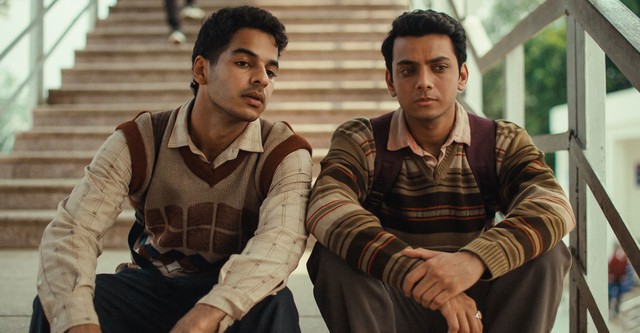
Jethwa’s Chandan, by contrast, is saddled with some altogether less trenchant material, and the film’s moments of real brilliance are neither sparse enough to be called exceptions nor sufficiently prominent to be considered a rule. The opening credits begin with a disclaimer, clarifying, amongst other things, that the filmmakers recognise and respect the legislative response to the pandemic by India’s regional and national governments. It’s an odd political caveat, indicative perhaps of an understandable wariness of increasing censorship in India of films deemed to be overly critical of the current Hindu-nationalist administration. The film that follows is certainly full of real feeling and drama, but you’d do well to heed its own warnings that it might wind up pulling some of its more fervent political punches.
The Verdict
Neeraj Ghaywan’s second film glimmers with moments of excellence—even as its pacing struggles to keep the viewer in tow.
Words by Isaac Jackson
Support the Indiependent
We’re trying to raise £200 a month to help cover our operational costs. This includes our ‘Writer of the Month’ awards, where we recognise the amazing work produced by our contributor team. If you’ve enjoyed reading our site, we’d really appreciate it if you could donate to The Indiependent. Whether you can give £1 or £10, you’d be making a huge difference to our small team.