
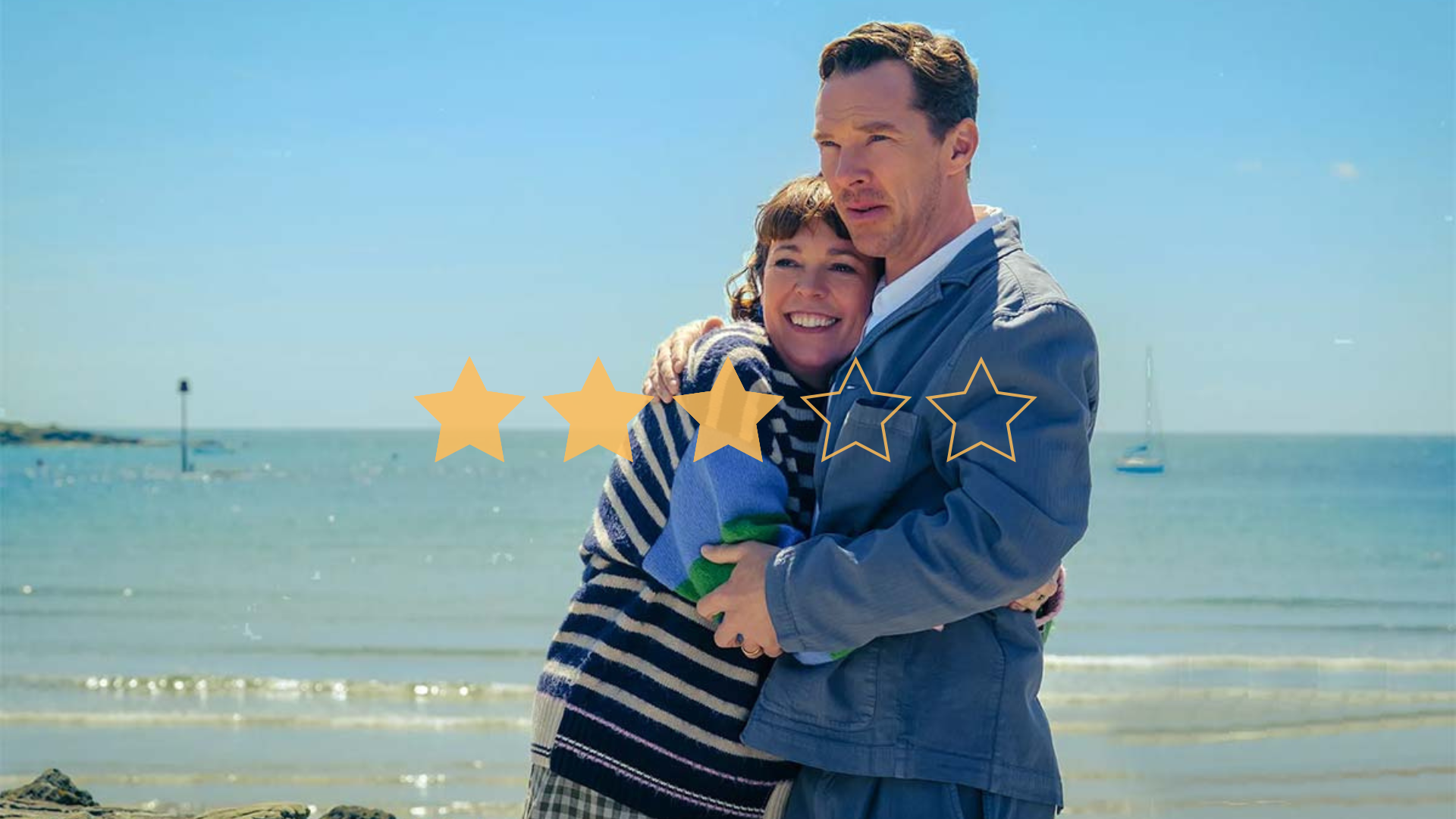
Jay Roach’s black comedy film, starring Benedict Cumberbatch and Olivia Colman as the feuding couple, is a remake of Danny DeVito’s 1989 ‘The War of The Roses’ which was, in turn, based on Waddler Adler’s 1981 book of the same title.
★★★☆☆
As the union of two people, marriage requires sacrifice from both. There is difficulty placing your spouse amongst other spheres of life, whether it is career, parenthood or passions – such notions are integral to identity and fulfilment. The implication of an ideal marriage is that a partner either overrides or integrates with these parts of your person, so you cannot identify your life or self without the one you love. Unfortunately, there is no perfect marriage – wedding vows are an unashamed, open promise to God and loved ones that in the face of inevitable struggle, one will remain loving and committed to their other half. The Roses reminds us that this is no secret. It openly presents the demands of married life through struggles in Theo (Cumberbatch) and Ivy’s (Colman) relationship, specifically their fragmented communication and clash of personalities in their self-worth and success. Their careers become a vehicle for the film to explore these notions.
The film opens interestingly not at their first encounter (which is later shown as a cliché meet cute) but instead, years later in couples therapy. What is more palpable in this scene than their marital issues, are their similarities as people. It quickly becomes clear despite their current circumstance that they share the same humour and affection for each other. When the audience is then invited to see the trajectory of their relationship through a flashback, it is revealed their similarities began on the day they met. Both are presented as aspirational, talented individuals struggling to be heard in their professional lives (Theo disagrees with his colleagues’ architectural opinions while Ivy is denied permission to use her own recipes in the restaurant she works at).
Ivy’s tired attitude for her position in life incites her telling him she is leaving for America. Ten years later, they are there, married with two children. Ivy is a stay at home mother who continues to cook (albeit for the smaller audience of her family) and Theo alternatively is a workaholic. However, the same night brings each of them a distinctive turn of direction in their careers. This, alongside their differing parenting style, drags in rifts to their relationship. There is a series of misunderstandings and miscommunications as they try and fail to validate and be grateful for the other. One act of this is Ivy gifting Theo the resources to build and design a house for them, in hope of resparking his architectural talent. However, what began as an innocent and genuine act of generosity becomes a competition between them for success and redemption. This leads to an ultimate crash of emotion which threatens their relationship entirely.
The central focus of their relationship fuels the humour, relatability and plot of the film. Cumberbatch and Colman give incredible, natural performances, so the disdain and adoration that their characters’ possess for the other is simultaneously believable. Indeed despite their feuding their connection is clear, through their chemistry and through Roach’s constant mirroring in dialogue and cinematography. From the start, they have similarities. It is a shared discontent for their professional lives which acts as the groundwork for their compatibility, but also the same night which changed their careers forever. They both at one point noticed the imbalance of their professional success and gave the chance for the other to start again.

Ivy’s food and Theo’s buildings are objects of their success showing they are both talented people who can create. Both put their careers first and have flaws in their character but ultimately, both loved the other more ardently than they could communicate it. The dialogue between them is a series of waves – sometimes coming consecutively and sometimes crashing into each other in an emotional, monumental, fleeting moment of understanding, whether of love or hate. The audience saw moments that the pair truly understood or complimented each other, even when Theo and Ivy did not. For instance, on their weekend away without the children, both took a moment to themselves on the plane to and from New York. They each went through a private self-admission that their behaviour was wrong and vowed to do better. When dropping their children at the airport, the pair each turned to face the other but missed seeing it. Roach, through the dialogue and mise-en-scene, presents the tie they have to one another even if it goes unnoticed by Theo and Ivy themselves.
The clever dichotomy between their understanding of each other but failure to communicate successfully creates a strong foundation for the film to be considered entertaining, as does the supporting cast. Their mutual friends (McKinnon, Samberg, Gatwa, Mani, Chao, Demetriou), are great at grounding the social lives of the couple and dropping in brilliant witty lines without sourcing the film’s comedic aspect entirely, which can be overbearing. Ivy and Theo are another source of comedy, their intimately-shared satirical humour is particularly amusing to witness. Inversely, the performative acts done to spite the other during their argument which shallowly aims to entertain the audience feels inauthentic. This on-theme aspect of the film may be a funny symbolic representation of the irritation sparked by your partner, or the internal fantasies of getting your own back, but it was better delivered by the word-play.
For instance, when Ivy offers the AI personality of the house a drink, she is poking fun at the admittedly extravagant nature of their home. The reply – “I don’t have any wants or needs” – sparks Ivy’s satirical proposal of marriage to it. This particular witty piece of dialogue acts as a microcosm for the difficulties of marriage; it is Ivy’s jab at her husband’s overwhelming expectations, but also a wise reminder that our wants and needs make us human. Though people may at points be too demanding in this way, the alternative is a soulless robot, devoid of emotion or understanding.
The Verdict
The Roses is a clever, entertaining presentation of marriage and its demands. While the actions of Theo and Ivy Rose sometimes slip into something insincere or unrealistic in an attempt at promoting the films’ comedic aspect, it is overall grounded in the depth of their characters, who grapple with self-worth and the need for validation from the one they love most.
Words by India Gwyn-Williams
The Roses released in UK cinemas on August 29.
Support the Indiependent
We’re trying to raise £200 a month to help cover our operational costs. This includes our ‘Writer of the Month’ awards, where we recognise the amazing work produced by our contributor team. If you’ve enjoyed reading our site, we’d really appreciate it if you could donate to The Indiependent. Whether you can give £1 or £10, you’d be making a huge difference to our small team.