
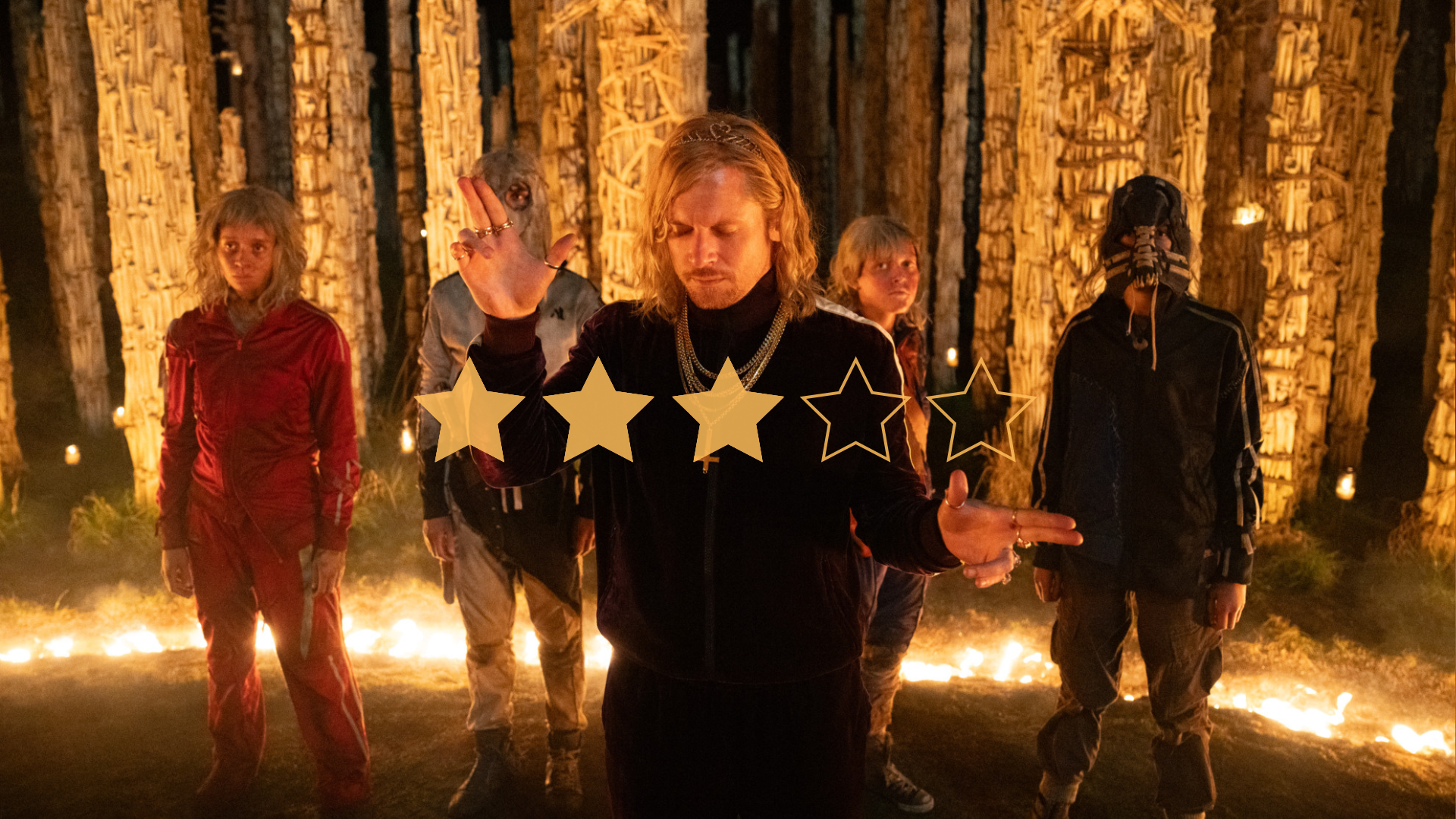
When Danny Boyle and Alex Garland first unleashed the Rage Virus on an unsuspecting London, they redefined the aesthetic of the zombie genre. Stepping into these iconic shoes is no small feat, and while Nia DaCosta’s 28 Years Later: The Bone Temple approaches the task with a certain level of directorial eloquence, the result is fractured. This film oscillates between moments of high-concept genius and sequences of frustrating disarray, ultimately feeling like a messy transition in a franchise that once felt so lean and focused.
★★★☆☆
The most immediate shift is felt in the film’s visual and tonal DNA. DaCosta is a talented filmmaker, but The Bone Temple lacks that specific, grime-under-the-fingernails “Britishness” that Boyle infused into the series. Where the original films felt more grounded in a recognisable, decaying reality, this instalment feels more detached and stylised. This shift is most evident in the film’s pacing and construction. The editing, unfortunately, is one of the project’s greatest hurdles. Tension is built with precision across several key scenes, only to be prematurely deflated by a chopped up editing style that prevents the atmosphere from truly curdling. Just as the viewer begins to feel the familiar squeeze of dread, a jumpy transition or an abrupt cut pulls them out of the moment.
There is also a surprising lack of grand-scale set pieces or traditional action for a film in the 28 Days franchise. Those expecting the sweeping, empty-city energy of the earlier films may find themselves disappointed. DaCosta opts to pivot away from psychological horror in favour of visceral gore. While the bloodletting is handled with a certain gruesome flair, it lacks the primal, terrifying weight of the original Infected encounters. This is a film more interested in the aftermath of violence than the terrifying lead-up to it.
However, where the film falters in structure, it excels in its character work in most cases. Ralph Fiennes is, quite simply, otherworldly. He brings a Shakespearean gravity to the screen that elevates every line of dialogue, grounding the more chaotic elements of the script. Alongside him, Jack O’Connell proves once again why he is one of the most electric performers of his generation. Reprising the raw, predatory energy that made him a standout in Sinners, O’Connell is a powerhouse of menace. He is genuinely terrifying, providing the film with a much-needed jolt of adrenaline whenever he appears.
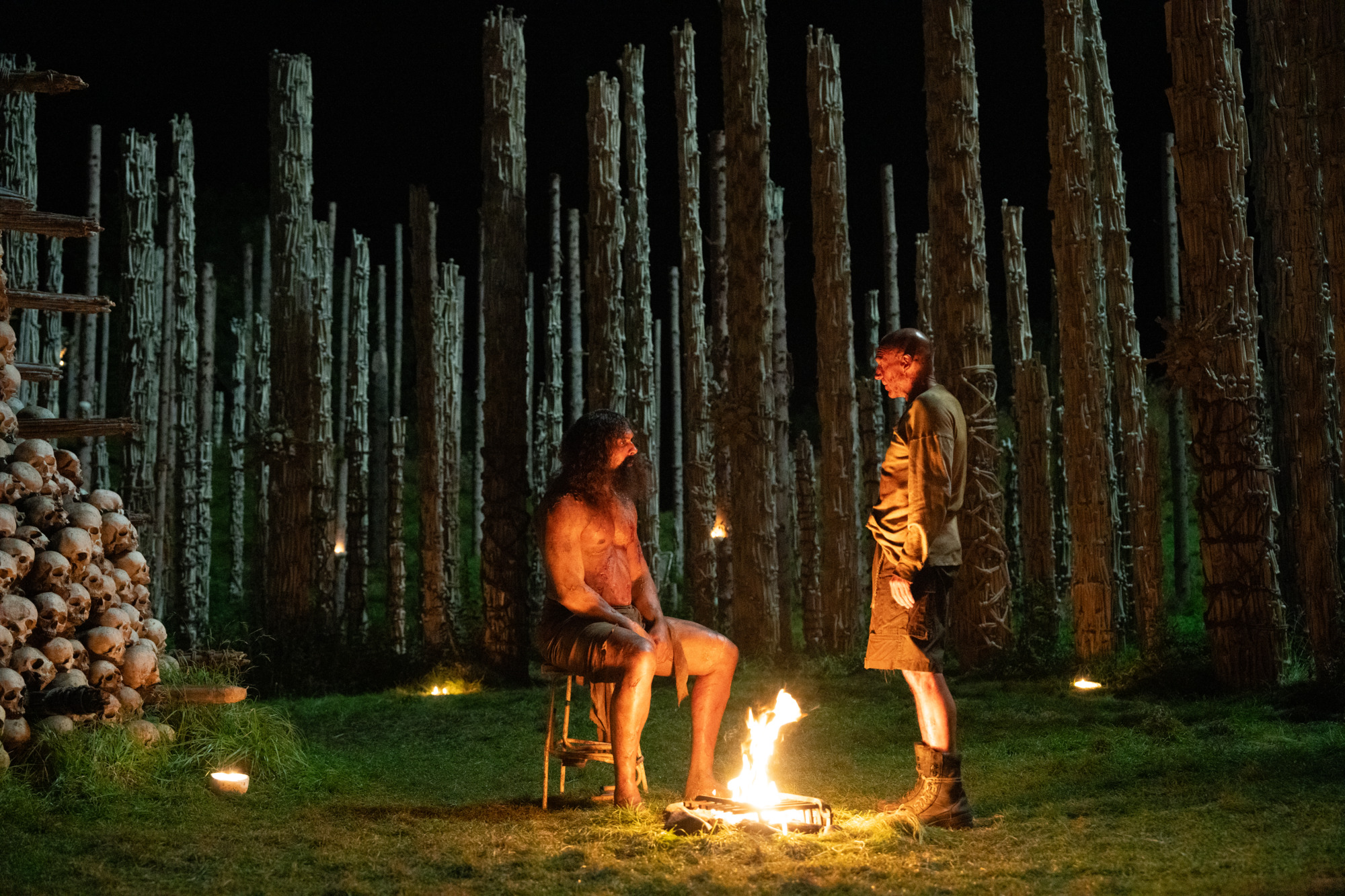
The narrative heart of the film is found in the storyline between Dr. Kelson (Fiennes) and Samson (Chi Lewis-Parry), an Infected. Their dynamic is the most interesting and emotionally resonant thread in the script, offering a glimpse of the intellectual and human stakes that the franchise does best. It is a shame, then, that this focus comes at the expense of Spike (Alfie Williams). Despite being the central figure of 28 Years Later and the bridge for this new trilogy, he is bafflingly underutilised in The Bone Temple. Watching this character be sidelined after his starring role in the previous film is a bitter pill to swallow.
Surprisingly, The Bone Temple’s saving grace is its sense of humour. The script is witty, with jokes and dark comedic beats running rife throughout the runtime. These moments of levity hit more than anything else in the film; they feel authentic and provide a necessary release valve for the grim reality of the world. And then there is that sequence from Dr. Kelson. A bold, music-video-esque departure from the rest of the film’s tone, it is a sequence of pure cinematic bravado that reportedly earned rapturous applause during screenings. It is in these moments where the film finds its own identity, even if it’s an identity that feels at odds with the Boyle legacy.
The Verdict
In the end, 28 Years Later: The Bone Temple is a sprawling, imperfect addition to the canon. It is a film of brilliant performances and isolated strokes of genius, hampered by messy editing and a lack of narrative cohesion. It is an eloquent effort by DaCosta, but one that leaves the audience wondering if the franchise’s unique British soul was left behind in the wreckage of the past.
Words by Gemma Nettle
28 Years Later: The Bone Temple is in UK cinemas from 14 January 2026.
Support the Indiependent
We’re trying to raise £200 a month to help cover our operational costs. This includes our ‘Writer of the Month’ awards, where we recognise the amazing work produced by our contributor team. If you’ve enjoyed reading our site, we’d really appreciate it if you could donate to The Indiependent. Whether you can give £1 or £10, you’d be making a huge difference to our small team.