

When I first watched The Salt Path, I found it an inspiring tale of hope and perseverance.
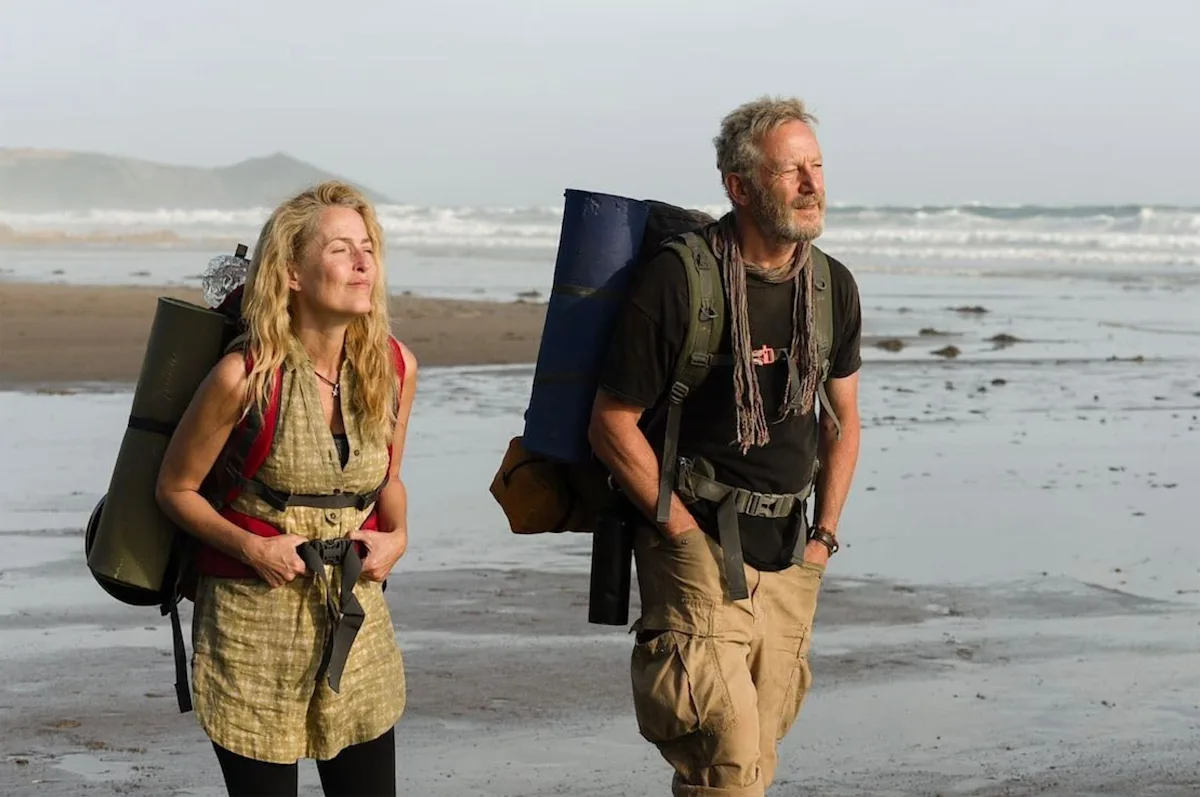
The film, adapted from Raynor Winn’s memoir of the same name, follows married couple Ray and Moth on their 630-mile trek along the British coast. They complete this gruelling journey to cope with the loss of their home. The theme of reconnecting with nature to gain perspective on what’s important in life stuck with me. Upon leaving the cinema, I put the book on my to-be-read list.
Little did I know that only weeks after watching, the story itself would be labelled a web of lies.
What are the allegations?
Investigative journalists have made a slew of claims, all poking holes in Winn’s tale—one of the most surprising being that their names are false. Legally, the couple are known as Sally and Tim Walker, not Raynor and Moth. While it is not illegal to have a pen name, another shocking allegation is that the couple lost their house not due to a dodgy investment, but a high interest loan taken to pay back Winn’s embezzlement of thousands from her former employer.
When the scandal broke about The Salt Path, it tainted the story’s message. In a matter of clicks it went from being a successful biography, inspiring hikers to lace up their boots, to breaking the hearts of fans. The feeling of hope viewers had walked away with quickly evolved into disappointment and betrayal. Among those most disappointed are those diagnosed with corticobasal degeneration (CBD)—the disease Moth Winn allegedly struggles with. Moth’s struggles with CBD are an underlying arc in the film, and the implication is made that walking helped ease his symptoms. Now with numerous doctors sceptical of the severity of Moth’s illness, the dream of finding a natural treatment has been crushed for fellow patients.
Is this a surprise?
After the shock passed, I had the thought—didn’t we all think it was too good to be true? While the allegations of embezzlement were certainly unexpected, part of me wasn’t surprised that the story given to the audience wasn’t entirely accurate. When watching the film, although struck by its simplicity, it all felt a bit too convenient. There were parts where everything felt too polished. After all, the idea that months of hiking and wild camping can treat a neurological disease is a tad questionable.
The Salt Path is not the first ‘true story’ film to embellish and change details from real life. The journey to the screen often seems to ignore large chunks of the truth deemed too messy for Hollywood. A great example of this is Catch Me If You Can (2002), which follows the many scams of con artist Frank Abagnale Jr. Before his 21st birthday Abagnale appears to have lived multiple lives, posing as a professor, a lawyer and even a doctor.

Despite being framed as a true story, journalists later discovered that Abagnale couldn’t have pulled off all these frauds—he was incarcerated frequently between the ages of 16 and 21. Yet despite various sources over multiple decades claiming the story was false, Catch Me If You Can continues to be popular. It’s even been adapted into a Broadway musical.
Does it matter?
When scandals break that ‘true story’ films are inaccurate or exaggerated for Hollywood it brings up a larger question—does that matter? Films, like all media, are a form of escapism. According to a global study by Reuters, one in four people go to the cinema to suspend reality. As technology has progressed, humans have been given an increasing number of ways to distract themselves. From the printing press to the first movie released in 1888, films are simply humanity’s latest invention to escape from reality.
Scandals don’t take away the feelings and emotions, films can bring out of us. With the rise of social media and reliance on AI, peoples’ trust in the accuracy of media has declined.
The UK’s media was ranked the least-trusted out of 28 countries in the 2024 Eldelman Trust Barometer. Based on English people, set and shot in the UK, The Salt Path should’ve been the perfect escape for British viewers. The film should’ve been an inspiration for a fun holiday to the coast, instead it confirmed people’s distrust in the media. Given the falseness of social media and that only 31% of people in 2024 felt they trusted the media, The Salt Path allegations only fuel the growing scepticism about media in the UK.
However, all is not lost.
While I am not condoning Winn’s alleged embezzlement or the false hope presented to CBD patients, the film is still impactful. Does the scandal take away from the film and its message, the work of all those involved in it? The Salt Path was a labour of love by the whole crew. Star Gillian Anderson loved the story so much, she fought for the rights to the project. Together, they were able to create a message of hope that inspired people. If a person watched The Salt Path today with no knowledge of what lay behind it, they would watch a piece about perseverance. They could still be impacted by the message of hope.
There are much more important lies to worry about in the world. As long as we’re entertained, do we really care if memoirs are accurate?
Words by Grace Loveday
Support The Indiependent
We’re trying to raise £200 a month to help cover our operational costs. This includes our ‘Writer of the Month’ awards, where we recognise the amazing work produced by our contributor team. If you’ve enjoyed reading our site, we’d really appreciate it if you could donate to The Indiependent. Whether you can give £1 or £10, you’d be making a huge difference to our small team.
Loveday asks: As long as we’re entertained, do we really care if memoirs are accurate?
Answer: Yes we do. Otherwise, call it fiction.
I thought the film was nonsense. Why didn’t they just relocate, since they were prepared to travel, and just get jobs? Raynor was 51 and still a long way off from retirement. Why would they expose Moth’s health further by undertaking at 630 mile walk and camping rough? The whole ‘drama’ seems contrived. There was a lot of tutting and guffawing in the cinema when I saw it.