
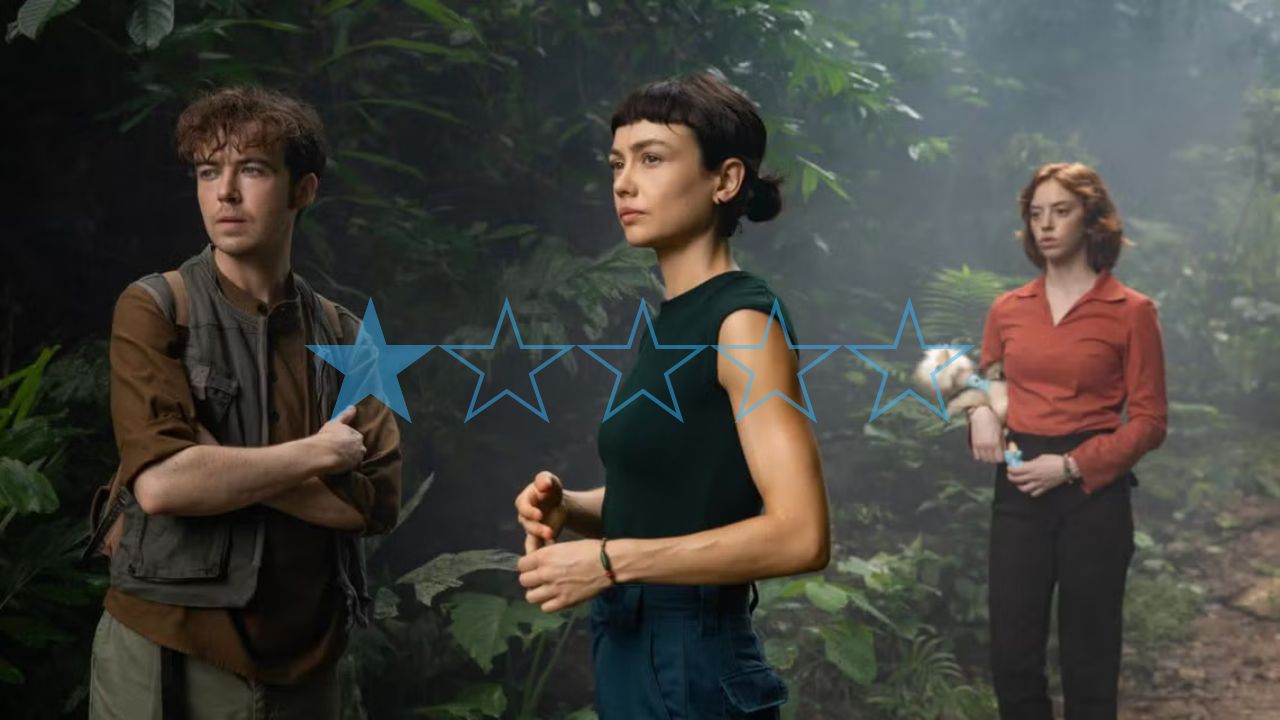
FX’s Alien: Earth marks the franchise’s first foray into television, but instead of revitalising one of sci-fi horror’s most iconic sagas, it plays out like a corporate experiment gone awry.
★☆☆☆☆
Much like Weyland-Yutani, the ever-imposing evil company in the Alien franchise, Disney’s corporate fingerprints are all over Alien: Earth. It smears the series’ mystique away and serves up yet another reheated plate of nostalgia bait, stripped of the terror that once made Alien supreme.
Last year’s Alien: Romulus was very much where the rot for this new stage of Alien instalments set in. At release, audiences fell head over heels for what was essentially a beat-for-beat replay of the original premise, minus the artistry or intensity of Ridley Scott and James Cameron. Even Scott at his weakest (Prometheus, Covenant) is still more compelling than a bland exercise in franchise milking. Unfortunately, Alien: Earth doubles down on every mistake Romulus made and manages to stumble even further into the abyss.
The series opens with a glimmer of promise as its pilot teases a return to the stripped-down terror of the original Alien (1979), with claustrophobic hallways, a subdued score, and cinematography so reminiscent of Derek Vanlint’s original work that you’d swear you were back aboard the Nostromo. The atmosphere is eerie, the world-building feels meticulous, and for a brief moment, you think maybe they’ve cracked it.
All of this dissolves faster than a victim to acidic blood as the main plot kicks in, revealing that promise remained little more than a nostalgia hook. Characters aren’t driven by fear or survival instinct but by sheer idiocy. This is one of those shows where the script requires people to be naive or foolish to keep the story moving. One sequence features a character infiltrating a Xenomorph test subject’s cell with less security oversight than a student sneaking into their house after a night out, only to, of course, get locked inside. It’s the kind of contrivance that makes you groan rather than squirm.
The performances don’t help. Timothy Olyphant, always a reliable presence, is wasted, relegated to the sidelines with little to do but scowl. The younger cast members are even worse: bland, faceless archetypes who couldn’t anchor a straight-to-streaming thriller, let alone an Alien property. David Jonsson at least lent some gravitas to Romulus’s cast, but here there’s no one to carry the weight.
Sydney Chandler, unfairly saddled with inevitable Ripley comparisons, feels particularly miscast. She’s more a Disney-branded ‘femme fatale’ than a flesh-and-blood human: she’s always correct, always composed, but never emotionally engaging. Sigourney Weaver’s Ripley conveyed vulnerability and strength in equal measure; Chandler just stares blankly, even while watching soldiers getting slaughtered by the creature.
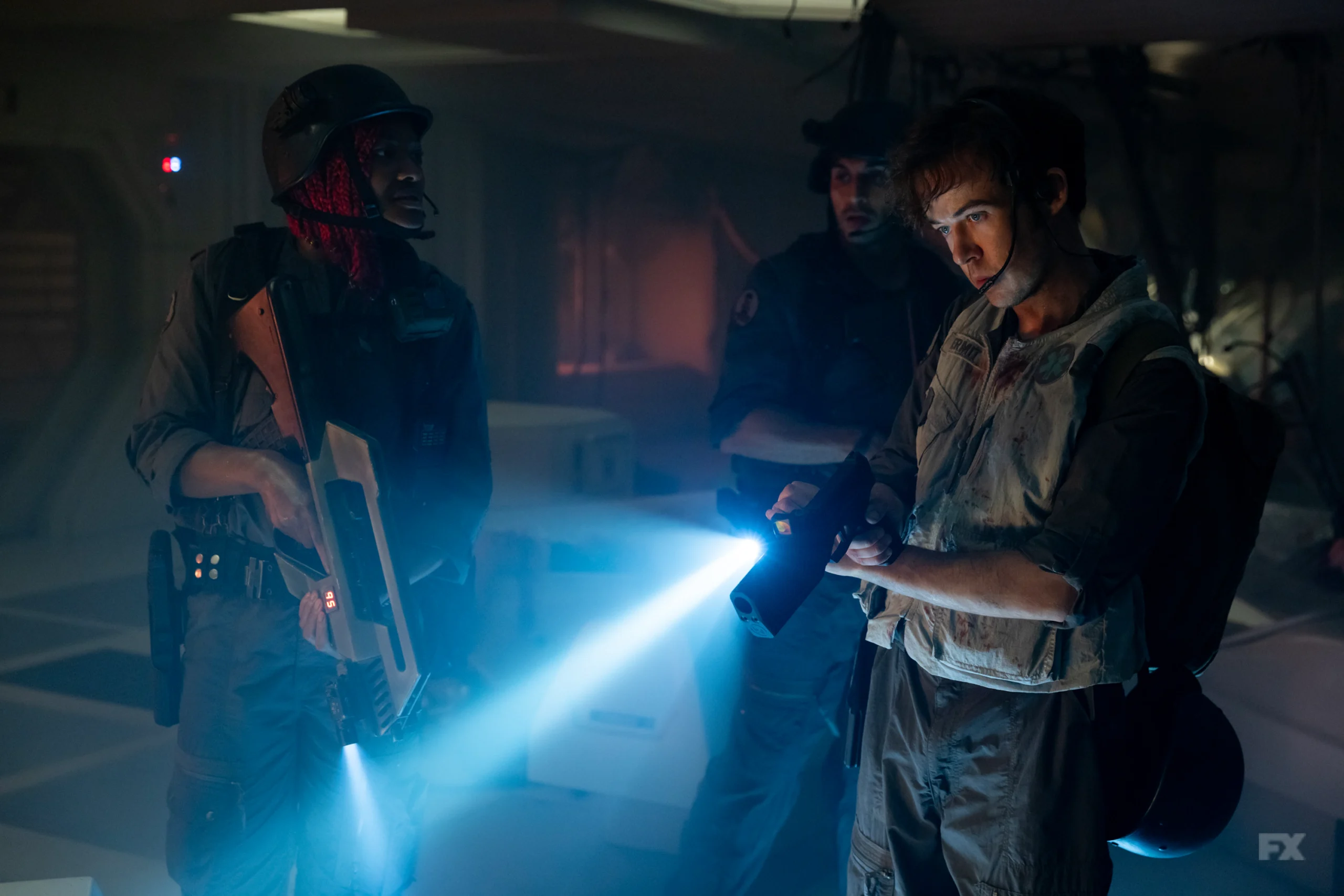
Worst of all, the show betrays its crown jewel: the Xenomorph. Once the pinnacle of cinematic terror, here it’s reduced to a misunderstood antihero, a tragic victim of corporate exploitation. The allegory is so blunt you can see the hammer swinging: Weyland-Yutani are “the real monsters.” By the time you reach the final episode, literally titled ‘The Real Monsters’, the series has collapsed under the weight of its own message. Subtlety dies, and so does the horror. To add insult, the creature is shown in full light far too often, robbing it of its mystery and menace.
Finally, in typical Disney streaming fashion, little happens across all eight episodes. Many characters are left alive, and several key plot threads are left hanging, not because it makes narrative sense, but because Disney is already hedging its bets on multiple spin-offs, sequels, and tie-ins. Much like their Marvel shows, this Disney+ serial spins its wheels, endlessly teasing stakes without ever delivering consequences. It’s not storytelling so much as brand maintenance, stretching a threadbare concept into a cinematic universe by refusing to let anything conclude.
The Verdict
Alien: Earth isn’t just bad television; it is a betrayal. What could have been a revitalisation of one of cinema’s greatest horror legacies is instead another soulless cog in Disney’s content machine, where franchise longevity trumps storytelling and every creative decision is bent toward keeping the brand alive for another spin-off. The result takes the most iconic monster in film history and defangs it, turning terror into pity and menace into metaphor. It leaves us not with horror, or even science fiction, but with something far worse: empty content, algorithm-friendly and artistically barren.
Words by Joseph Jenkinson
Support The Indiependent
We’re trying to raise £200 a month to help cover our operational costs. This includes our ‘Writer of the Month’ awards, where we recognise the amazing work produced by our contributor team. If you’ve enjoyed reading our site, we’d really appreciate it if you could donate to The Indiependent. Whether you can give £1 or £10, you’d be making a huge difference to our small team.