
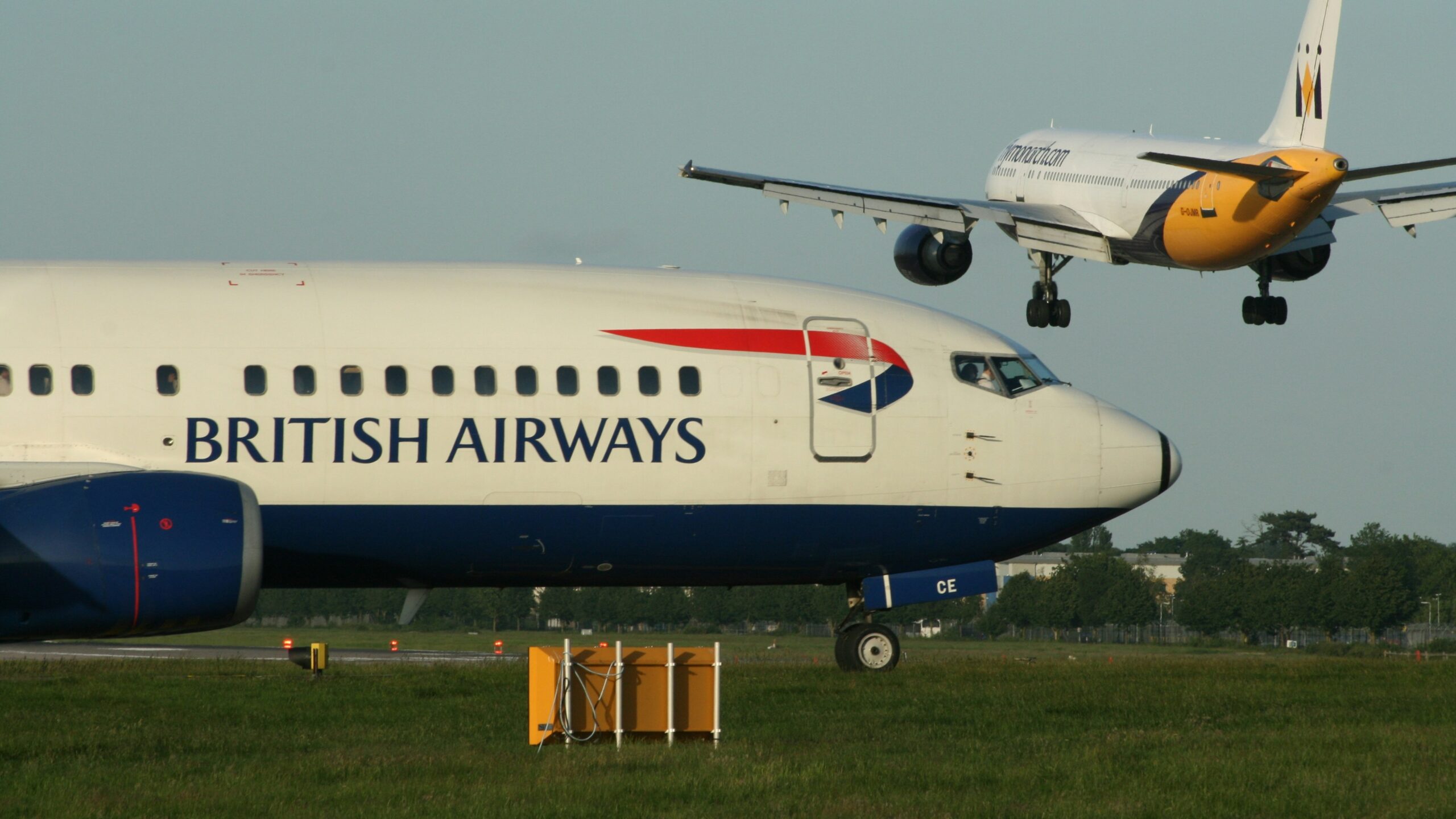
In the same month that the Met Office has announced the warmest UK summer on record, Gatwick Airport has received approval to expand into a double-runway hub. While this expansion promises economic benefits, it raises serious questions about how the UK plans to combat climate change and reduce carbon emissions while increasing flight volumes.
The approval of Gatwick’s second runway has been hailed as a major economic win for London’s second-busiest airport — and condemned as a climate setback by environmental campaigners. By the late 2030s, the expansion will raise annual flights from 280,000 to nearly 389,000, promising 14,000 new jobs and a £1 billion boost to the UK economy each year.
UK residents reportedly spent £78.6 billion on holidays abroad, while inbound tourism brought in only £32.5 billion, most of it concentrated in the City of London. The Gatwick expansion may promise more jobs and cheaper flights to chase the sunshine, but without a stronger draw for tourists coming into Britain, those are the only economic benefits the country is likely to see. Dr Alex Chapman, a senior researcher at New Economics Foundation confirmed this by stating that the “demand for business air travel is collapsing and we’re flying ever more tourists to spend money outside the country than we are flying in.”
Then there is the environmental impact. In an effort to combat global warming, the UK government has pledged $9.37 billion through its National Wealth Fund to support green projects, focusing on low-carbon infrastructure and sustainable innovation. However, spending millions to expand one of Britain’s busiest airports appears counterproductive to these climate commitments.
Zack Polanski, leader of the Green Party, called the expansion “deeply irresponsible”, accusing the Labour government of “pretending to care about emissions.” His criticism reflects this broader concern that the UK government is enabling the growth of one of the highest carbon-emitting industries without the necessary infrastructure to mitigate the impact.
A recent report from the cross-party Environmental Audit Committee has also announced that these hundreds of thousands of extra flights could very much risk the government’s own net zero goals. Stating that the government had also “not demonstrated” that the negative climate impact of expansion would be outweighed by the economic growth created.
Sustainable Aviation Fuel (SAF) is the key to unlocking this development within the aviation industry in an environmentally conscious way. Since 2022, the government has invested over £135 million into developing SAF production with initiatives like the Advanced Fuels Fund (AFF) going out to a handful of promising SAF technologies this year.
With only a 2% SAF mandate currently in place across Europe, the gap between ambition and reality remains vast as we race to meet rising climate targets. The Gatwick expansion will only intensify this challenge, driving up demand for SAF in an industry that cannot yet scale production fast enough to offset its carbon impact. This leaves the government in a difficult position; pursuing high-carbon infrastructure while claiming to lead on climate action. Without a clearer focus on achieving Net Zero, such policies risk undermining the UK’s environmental commitments.
CAGNE (Communities Against Gatwick Noise Emissions) has opposed Gatwick expansion since 2014, campaigning under the #PledgeToFlyLess banner. They warn that a second runway could add over a million tonnes of carbon annually, increasing the need for carbon offsetting and sustainable fuel alternatives to be rolled out across an expanding number of flights.
Opposition to the Gatwick expansion is not limited to campaign groups either. Residents local to Gatwick are concerned about increased traffic to the airport, noise pollution and parked cars near the airport. Along with this, it seems that Labour’s environmental pledges are slipping down the list of priorities, with The Independent reporting that Chancellor Rachel Reeves stated that Gatwick’s expansion is “about unlocking tens of millions more flight seats each year.”
It becomes clear that this development is to enable more cheap holidays abroad whilst hoping to lure more tourists to the UK, a decision made without the consideration of the climate impact.
Evidently, the UK Government has stepped away from their climate commitments as just in 2024, Ed Miliband, Secretary of State for Energy Security and Net Zero, said that “Our National Wealth Fund will help create thousands of jobs in the clean energy industries of the future to boost our energy independence and tackle climate change..”
And whilst thousands of jobs are on the cards, tackling climate change is no longer. The sector now faces a choice; SAF production remains limited, with no facility currently able to make it to the scale which is required without a premium on price. Mandates are rising from 2% today to 10% by 2030 and 22% by 2040 but with no feasible supply to make this happen.
If a fuel supplier cannot meet its SAF obligation, they can pay the buy-out price, which for 2025 is £4.70 per litre of SAF shortfall. Suppliers who fail to comply may also face civil penalties. These costs are passed on to airlines, which in turn generally pass them on to passengers through higher ticket prices or fuel surcharges. Meaning these ‘cheap holidays’ that the Gatwick expansion is promising, might not be so budget friendly afterall.
The UK’s rising temperatures which could put millions of UK homes at risk by 2050, and extreme weather events underline the urgency of climate action and how it affects our everyday life. Expanding air travel without a credible environmental plan risks undermining the country’s climate commitments and the future of aviation as we know it.
The expansion highlights a crossroads for the UK. One path offers economic growth through traditional expansion: more flights, more overseas travel, more short-term gains. The other demands innovation and investment: cleaner fuels, better public transport, and policies that reconcile economic growth with environmental responsibility.
The warmest UK summer on record is a stark reminder that the climate crisis cannot be ignored. If the UK is serious about Net Zero by 2050, airport expansion must be weighed against its environmental impact. Without bold, coherent policy, the risk is clear that we grow at the expense of the climate we depend on.
Words by Myfanwy Fleming-Jones
Support The Indiependent
We’re trying to raise £200 a month to help cover our operational costs. This includes our ‘Writer of the Month’ awards, where we recognise the amazing work produced by our contributor team. If you’ve enjoyed reading our site, we’d really appreciate it if you could donate to The Indiependent. Whether you can give £1 or £10, you’d be making a huge difference to our small team.