
Premiered in the Orizzonti section at Venice earlier this autumn, Rose of Nevada, the latest feature from director Mark Jenkin and producer Denzil Monk, quickly became one of the festival circuit’s quiet sensations.
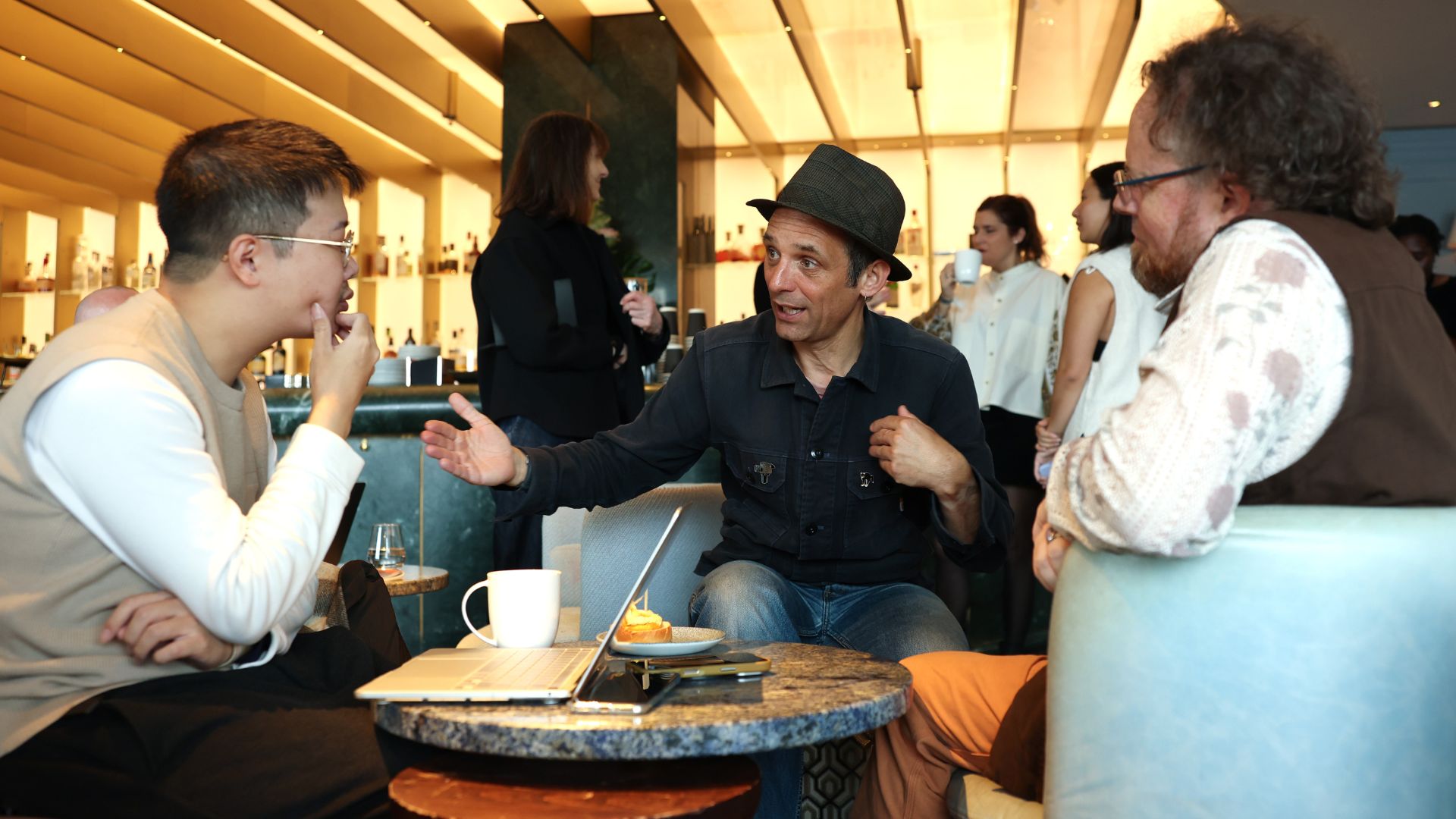
Following its warm reception at Venice, Toronto, and New York, the film made its UK debut at the 69th BFI London Film Festival, where the Cornish duo spoke with The Indiependent at the Lyaness Bar about the film’s origins, process, and their shared philosophy of independent filmmaking.
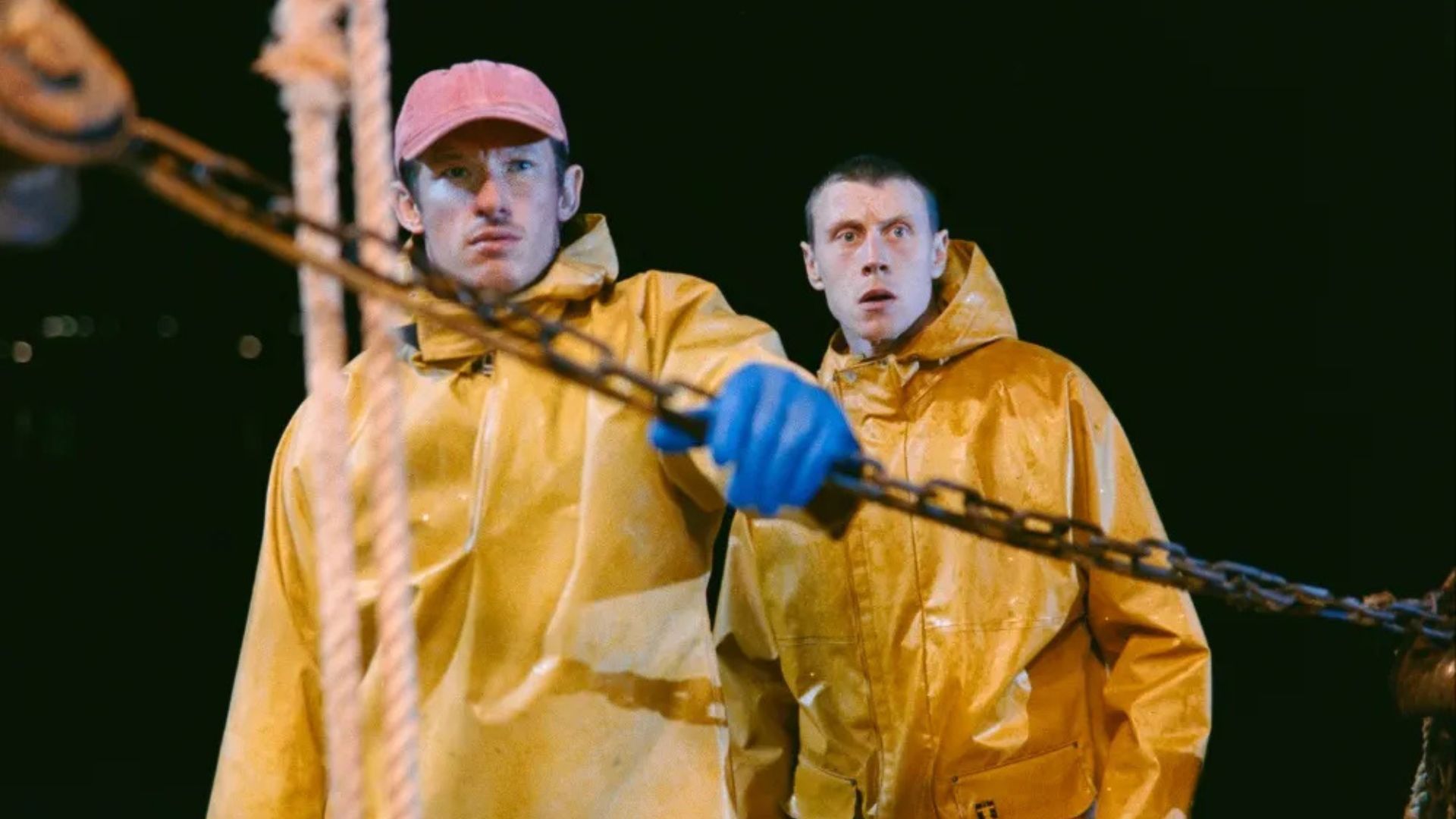
Starring George MacKay and Callum Turner, Rose of Nevada explores grief, companionship, and the fragile beauty of human connection. Both MacKay and Turner deliver excellent performances that seamlessly blend into Jenkin’s distinctive vision. The director reflected on the film’s casting process with his characteristic honesty and humour. “We worked with the casting director, Shaheen Baig, and then I met with George. Originally, George, I was thinking of, for the character that Callum ended up playing. But then when I met George, I decided that he would be great to play the lead, to play Nick. I was introduced to Callum via my agent, who’s also Callum’s agent in America. And again, I met Callum and we just hung out and we chatted. I don’t get actors to read the scenes or anything like that. I just hang out and chat and find out whether we get along. They both read the script as well, I think, at that point, we cast them.”
He smiled, recalling his instinctive approach to finding the right collaborators. “I always cast with a sort of gut instinct. It’s always, I mean, they’ve got to look right. So I’ll meet them and I’ll look at them and imagine them in the film and think, yeah, they’re going to work. But then also it’s just a personal thing to work out whether I like them. And just as importantly, whether they like me.”
When asked about where the journey of Rose of Nevada began, Jenkin traced its roots back to a “scene that I’d had in my head for many years.”
He continued, “But I had no film attached to it. It was just one scene. And then one evening I was laying in bed with my partner, Mary (Mary Woodvine), who’s also in the film.” They proceeded to go back and forth on various ideas and then, the “next day, we both sort of said to each other, you know, we’d been thinking about that story all day. That’s when I realised there was an actual story worth telling there. That was the original start of it.”
Jenkin’s films have long been known for their distinctive textures: tactile, dreamlike, and deeply personal. He reflected on his creative process that shapes the unique atmosphere of his filmography. “I think there’s two ways that I do that really. One is the equipment that we use when we’re making the film. So I use a very old clockwork camera that only runs for a short period of time before you have to wind it again. So the film is made of shoots that are fragments. We don’t have big long shots. We don’t have big master shots. We have these fragments. These are the fragments of film. And they’re all silent. So you don’t record any location sound.I go into the edit and I put those fragments together ,then we put the sound on and suddenly, it becomes greater than the sum of its parts. And the atmosphere kind of emerges quite organically from that- we kind of look at it and see what’s working and what isn’t working.”
That instinctive method, he added, guides the tone and rhythm of all of his work. “Like a lot of things, I just follow my gut instinct and follow the feelings of it. For me, film is about rhythm and atmosphere. And that becomes apparent in the edit. It really isn’t there until the edit. So that’s where I create that feeling of sort of the dream state.”
As seasoned figures in the UK indie scene, both Jenkin and Monk offered thoughtful advice for aspiring filmmakers navigating the challenges of getting projects made. Monk began with: “I think what I would say is there’s always a million reasons why a film can’t get made. But there’s only one reason why a film will get made. And that’s because you’re going to f**king make it or whatever. So when you know what that film is, it’s important to get the idea right. You don’t want to spend five years, ten years, twenty years trying to get something made and get it off the ground and get it in front of audiences. You’ve got to be committed to it. But if you know you’ve got a story that you want to tell, just don’t let all the reasons why you can’t do it get in the way of doing it.”
Jenkin nodded in agreement, adding his own perspective as a director who thrives on constraints. “Do it in your own way. There’s always a way to make a film. Sometimes you do it out of necessity. You find a way to do it often cheaply, because you don’t have the money to make it. And that’s always quite an exciting way to make a film. Don’t wait until… It’s what people say about having a baby, isn’t it? There’s never a right time to have a baby. I think there’s never a right time to make a film. You’ve just got to follow your gut.” Monk chuckled, extending the metaphor with a grin: “When you find you’re pregnant with a film, you’ve just got to give birth to it.”
Jenkin laughed; “Yeah, there’s no stopping it. Nine months later, a film’s going to come out. The film industry and the film art form is still only 130 years old. So don’t let anybody tell you that you’re making a film, you’re going about it in the wrong way, because there is no wrong or right way. And hopefully there will never be a wrong or right way to make a film, but certainly not after 130 years of filmmaking. There’s still no blueprint of how to do it properly.”
Monk concluded with a note on integrity and kindness, values at the heart of their collaborative practice. “What is important is to be kind and respectful. Making a film, whether you’ve got a massive budget or no budget, you’re asking a lot of a lot of people. So it’s really important to respect, for them to respect the creative vision, but for you to respect the fact that people are given time, energy, their life force to realise that vision and to treat everybody well, because this industry’s got a long way to go for that to become normalised. If you’re starting out, start doing it right.”
As the conversation wound down, both hinted at what lies ahead for their creative partnership. “I mean, whatever I do next will be with Denzil,” said Jenkin. “He might, whatever he does next might not be with me because Denzil is working with others, you know, he’s a producer, so he works with other people.”
Monk grinned: “I might squeeze a film or two out before our next one. We’ll see what happens.”
To which Jenkin added, affectionately, “I’m in a monogamous relationship with Denzil. And we’ll do another, we’ve got four things that we’re trying to get into development that are going into development and we’ll see. We’ll see which one, which one happens. We’re equally excited about all four of them. I genuinely say that. And we’ll see, you know, one of them, one of them will pick up more momentum than the others, I expect. So I don’t know what it’ll be, but it’ll be more of the same, but bigger and better. And no, not better or bigger. No, just more of the same.”
As our chat drew to a close, Jenkin and Monk’s easy camaraderie spoke volumes about the creative trust that fuels their partnership. Like Rose of Nevada itself, their conversation shows courage and the craftsmanship in their indie filmmaking. Whatever shape their next project takes, one thing is certain: it will be made with heart, collaboration, and the same fearless indiependence.
Words by Matin Cheung
Rose of Nevada is scheduled for a 2026 theatrical release in the UK.
Support the Indiependent
We’re trying to raise £200 a month to help cover our operational costs. This includes our ‘Writer of the Month’ awards, where we recognise the amazing work produced by our contributor team. If you’ve enjoyed reading our site, we’d really appreciate it if you could donate to The Indiependent. Whether you can give £1 or £10, you’d be making a huge difference to our small team.