
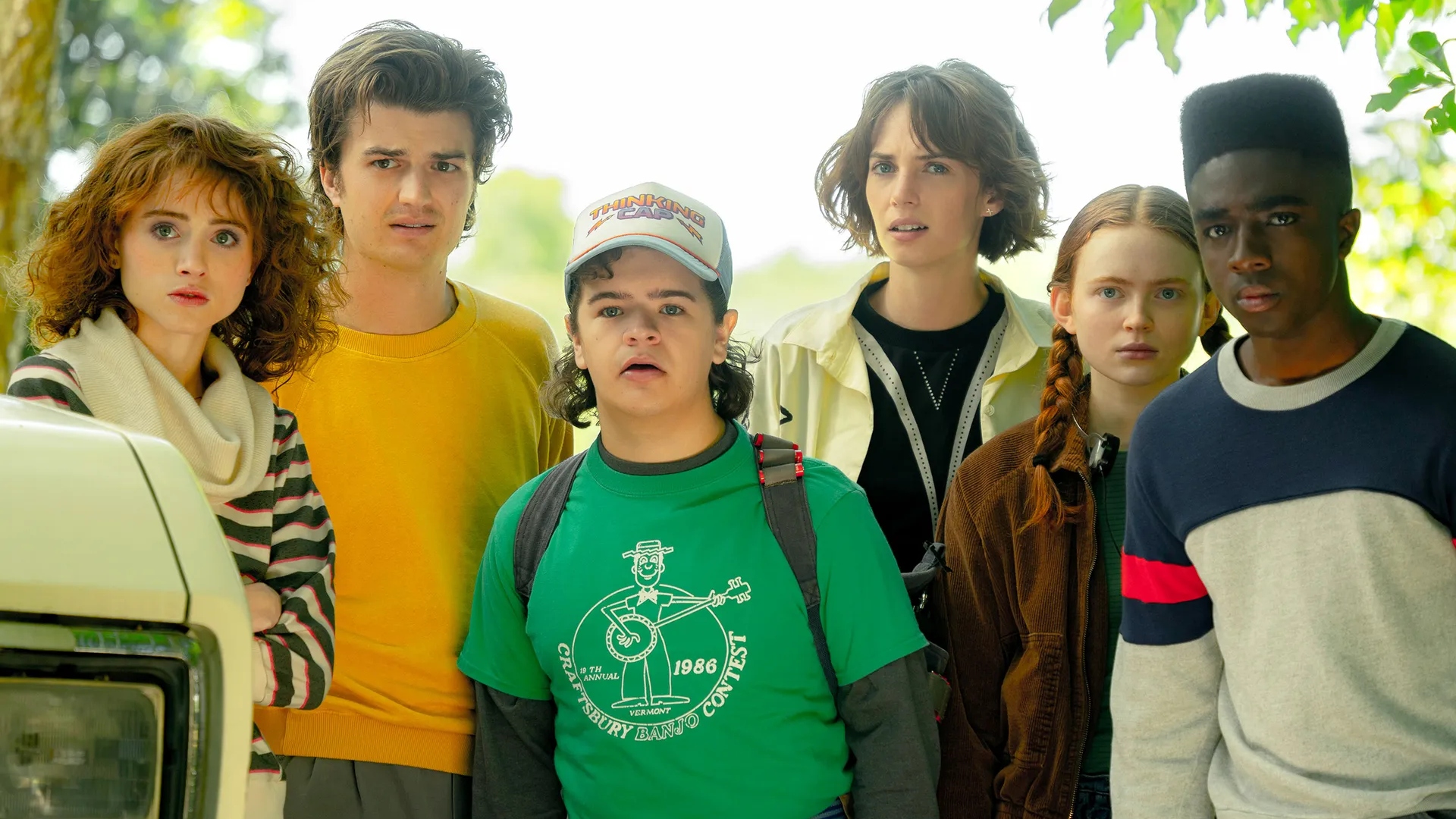
The prolonged wait for the final season of Stranger Things has been enough time for fans to reflect on the upcoming end of one of the biggest shows of the century. It feels strange to think that it started nearly a decade ago, but it’s easy to see why the show became so popular so quickly.
The first season is still one of the best introductions to a television series we’ve had in recent years. It was a tight, compelling story with a fantastic cast of fun and engaging characters, along with a well-realised setting. Stranger Things 2 was more of a slow-burn but arguably just as good, with some great new elements and an unrelentingly scary atmosphere, and a season which absolutely made it clear that Stranger Things was a cultural phenomenon that was here to stay.
However, there’s one important thing that season two does that doesn’t really get much attention: it wraps everything up. It ties together all the loose ends from season one, and gives our characters a happy ending. If you cut off that final shot, Stranger Things 2 could’ve been the true finale and I’m sure that everyone would have been satisfied.
However, massive popularity means massive demand, and if Stranger Things wasn’t popular before then, the second season officially made it the biggest TV show on the planet. Both Netflix and the Duffer Brothers were eager to satisfy the insatiable appetite for Stranger Things by giving fans more, and the result was 2019’s Stranger Things 3, the show’s worst outing by some distance.
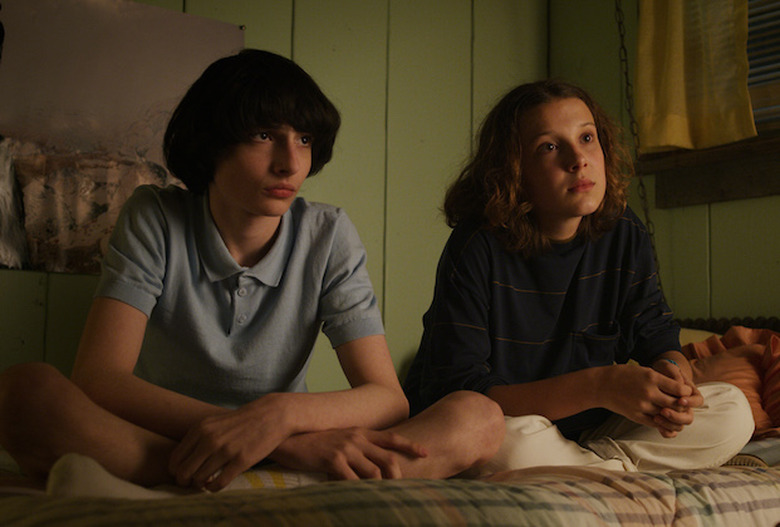
Now, this isn’t to say that Stranger Things 3 was terrible. The show looked as impressive as ever, and there is definitely enjoyment to be had in how utterly bonkers it gets. But it didn’t take long for the immense buzz surrounding the season to wear off on me, especially during the three-year wait for season four.
Stranger Things 3 was full of changes, both narratively and tonally. The first two seasons were reminiscent of Stephen King and early Steven Spielberg, but the third season aims for the style of an over-the-top 80s summer blockbuster, and it’s a style that doesn’t work. Something just feels off almost immediately. There’s an over-reliance on romcom humour, and some characters are reduced to stereotypes. The biggest victim of this shift is Jim Hopper (David Harbour), who turns from a resourceful and caring police chief to a stern, bumbling dad who doesn’t like his daughter kissing. Hopper really is unwatchable throughout most of this season and is a big turnoff for me when rewatching.
It also takes forever to get going. Season two may start slow, but there is still a great build-up. Apart from the odd shot of exploding rats and Dacre Montgomery’s Billy acting mysterious, very little happens of note in Stranger Things 3’s early episodes. It’s just a lot of meandering character conflict that feels completely at odds with the two preceding seasons, and it takes until the end of episode three for the threat to actually feel real. Even the monster mayhem feels more cartoonish this time around. The first two seasons depicted a lab of corrupt scientists doing experiments on children, and a monster from another dimension that kidnaps and possesses a young boy. It feels genuinely sinister and scary. While most of the scenes involving the possessed Billy are quite scary, they’re few and far between amongst scenes of an old woman eating soil and people exploding to form one giant gloopy monster. It’s all so big that it forgets to have a heart.
That’s the biggest issue with Stranger Things 3 for me: it all just feels shallow. While there are moments where our characters actually stop and breathe, it’s so desperate to entertain and impress that it barely ever stops with its zaniness and mad setpieces. Early seasons are exhilarating, but three is exhausting. Before, the show knew how to balance the dark with the light, but the relentless attempts at being funny in season three undercut most of the tension.
It feels important right now to reiterate that this season isn’t a complete write-off. Robin (Maya Hawke) is a brilliant new addition to the cast; Robin, Steve, Dustin and Erica breaking into the Russian base is a lot of fun, and the scene where Dustin and Suzie sing Neverending Story is meme-worthy for all the right reasons. The final scenes get the tears flowing too, even if I disagree with them using Peter Gabriel’s ‘Heroes’ cover for a second time. But on the whole, Stranger Things 3 was a major step-down when compared to the first two seasons, and it took me a long time to wash the disappointing taste out of my mouth.
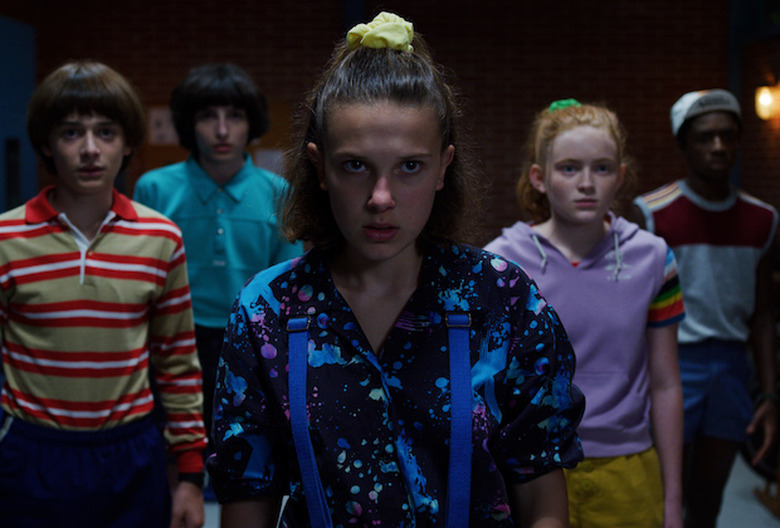
Of course, there is a happy ending to this story. The three-year wait for Stranger Things 4 had me worried that the Duffers would double-down on season three’s silliest elements, but that wasn’t the case. It was well worth the wait, giving its supernatural story emotional potency, and breathing life back into the show.
However, season four still has remnants of its third season. The long episode runtimes led to a lot of padding with the same fluffy comedy that had bogged down the previous season, and there were some storylines that proved to be completely superfluous. Nevertheless, the best elements of Stranger Things 4 (Max’s story, Vecna, Eddie, as well as the darker tone) were absolutely fantastic, and I finished four feeling much more optimistic.
I am very much looking forward to seeing this amazing show come to an end, and I have faith that Stranger Things 5 will stick the landing, embrace the show’s most exciting and enthralling elements and give us one last chance to spend time with these characters. Most importantly, I hope that the annoying humour and excessive silliness of its weakest season will all be forgotten, and that the Duffers have realised they don’t need to sacrifice their best assets to make the show the topic of conversation. Because, as it stands, Stranger Things 3 was a tired and weak season that saw its creators struggling to cope with their overwhelming success.
All four seasons of Stranger Things are available to stream on Netflix. Season five debuts on November 24 at 1am GMT.
Words by Alex Paine
Support The Indiependent
We’re trying to raise £200 a month to help cover our operational costs. This includes our ‘Writer of the Month’ awards, where we recognise the amazing work produced by our contributor team. If you’ve enjoyed reading our site, we’d really appreciate it if you could donate to The Indiependent. Whether you can give £1 or £10, you’d be making a huge difference to our small team.