
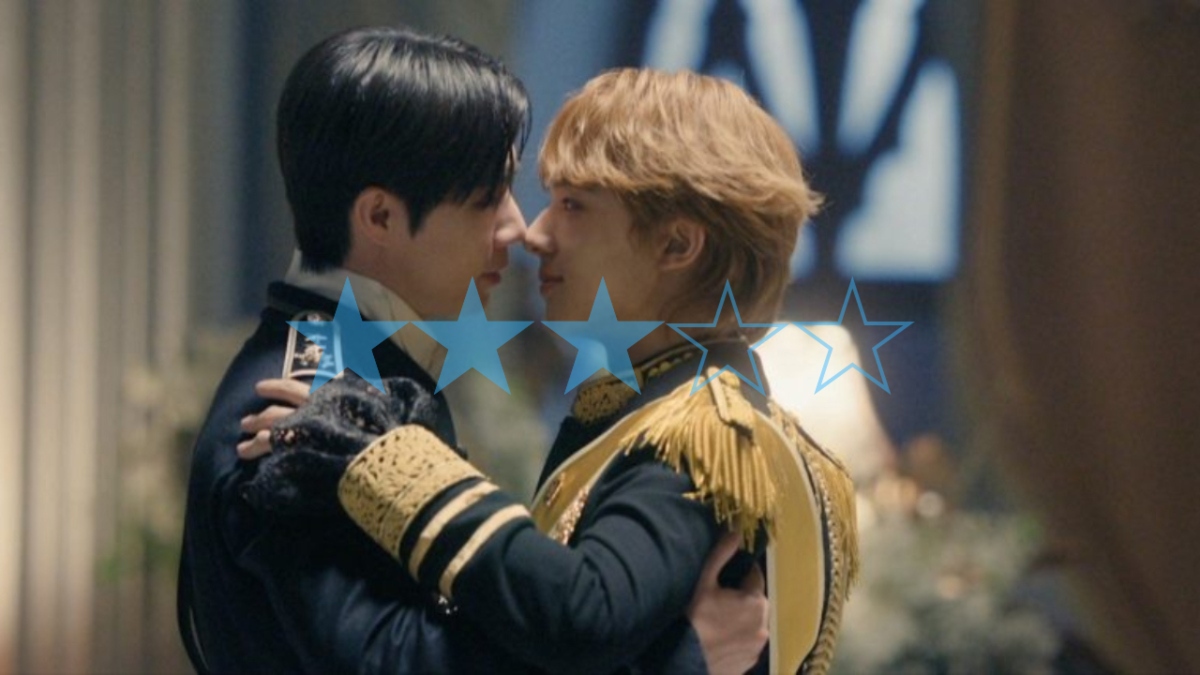
★★★☆☆
Revisiting a high budget production with strong chemistry, lavish costumes, but underdeveloped plot points
As we come to the end of the year, one must-see TV show from 2025 is the Thai BL romance drama, The Next Prince, which aired from May through to August on Channel One31 in Thailand, with an uncut version also available on iQIYI and iQ.com. Directed by “Aoftion” Kittipat Jampa and “Den” Panuwat Inthawat, the show stars “NuNew” Chawarin Perdpiriyawong and “Zee” Pruk Panich, and is based on the 2022-2023 same title two-volume novel by writing duo Ceo ft. Ennice. Whilst the show may not have gained much attention internationally, it’s well worth looking back on for those keen to see more LGBTQA+ stories on screen.
In the kingdom of Emmaly, the heirs of the Assavadevathin, Bhuchongpisut, Davichmetha, and Meenanagarin noble families must spar in a fencing competition to decide which of their fathers will next take the throne. In light of his deteriorating heath, the King sends Charan (played by “Zee” Pruk Panich), his most trusted palace guard, to retrieve his grandson Khanin Assavadevathin (“NuNew” Chawarin Perdpiriyawong), who grew up abroad without knowing his royal lineage. As Khanin reluctantly adapts to his new life and trains for the competition, he and Charan become entangled in royal intrigue and political conspiracies, and their initial dislike develops into a forbidden romance.
The plot unfolds at a slow pace to build an engaging narrative that is layered with tension and sentiment that grips viewers more and more with each episode. The royal intrigue and political conspiracies, the hunger for power, the challenging of gender norms, the consequences of royal bloodlines, and the internal struggles and intricacies of the characters balancing duty and desire are gradually revealed in a way which feels authentic and meaningful. However, there are moments when the drama seems unable to decide on which of these is the driving angle, and this tonal whiplash makes some plot points feel rushed, chaotic, and bland, lacking substance beyond the initial setup.
The most glaring issues that exist with the show are in its writing. There are perhaps too many storylines and subplots crammed into each episode, and the show tries to cover all but ends up serving none. One example of this can be seen in the scene where we learn about Charan’s childhood trauma relating to the rain, associated with the death of his mother. This is a crucial plot device which threatens his royal duty and burgeoning relationship with Khanin by exposing a hidden fragility, signifying his vulnerability, and emerging as an essential plot point for Charan’s recovery and the Emmaly’s future. But there is little build up to it, and no return to it, so the emotional connection and high stakes never really come through in the performance.
The mixed plot and pacing in the writing leaves characters with no time to properly develop, forgotten subplot points and underdeveloped storylines, particularly for the supporting characters, and a frothy final act with a lukewarm payoff. One example of this can be seen in having Khanin go from wanting to know more about the disappearance and potential death of his stepfather, Thatdanai Keerakul (Saksit Tangthong), to becoming a lovesick puppy whose main job is to pine, pose, and moon over Charan to suit the romantic plot. Another example of this can be seen in the odd musical score in the political protest scene where Khanin and Jay (“JJ” Radchapon Phornpinit) burst into song – a moving nod to a time-honoured form of resistance or West End theatrics which undermined its gravity?
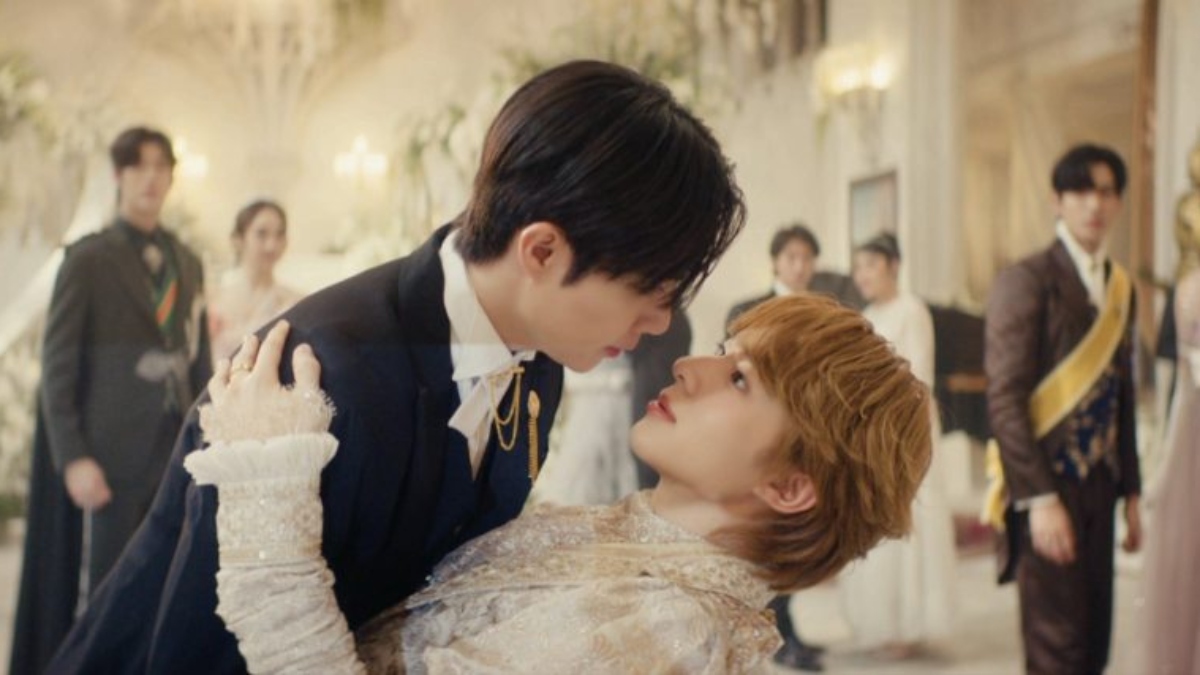
These issues aside, the theme of LGBTQA+ love and romance is at the core of The Next Prince, and one of the most compelling aspects of the show is the undeniable chemistry between the lead couple. Whether it is through subtle glances or emotionally charged scenes, the interactions feel natural and meaningful, and the dynamics and romantic tension rarely feels overplayed.
The cast delivers outstanding performances, with each cast member embodying their role and conveying complex emotions with nuance and intensity, and whether it is a scene of quiet heartbreak or raw confrontation, the acting never falls short. An outstanding mention should go to “Kris” Charintip Rungthankiat for her portrayal of Princess Ava Thawichmetha. Kris’ appallingly limited screentime doesn’t stop her from delivering a masterful performance that has us rooting for her from the get-go as her character defies traditional gender roles and challenges the patriarchal society banning women from inheriting the throne. Not only does she advocate for gender equality by pushing to compete in the royal competition as the other male heirs are able to despite the heavy backlash, but she also stands up to her father, Prince Chana Thawichmetha (“Nino” Maethanee Buranasiri), by threatening to withdraw from the competition entirely if he dismisses her female coach, Mira (Plaifah Siraacha).
Ava’s defiance represents a progressive effort against an oppressive system, highlighting the discriminatory rules against women in Emmaly which mirror those that sadly continue to be seen today, and we are backing her with a hundred per cent gusto. Though there are moments where these outdated and oppressive gender roles for women in the series is baffling in contrast with the relatively progressive views and acceptance of same-sex relationships, these double standards and inconsistencies are prevalent in all communities where we often see two steps back for every step forward, adding an emotional complexity and bitter truth of LGBTQA+ experiences to the performance and storyline.
The Next Prince is only one of the many Thai BL romance dramas to grace our screens this year, but it distinguishes itself within this landscape by offering fresh concepts, high production values and innovations to the genre which depart from the typical school/university setting to a royal kingdom with power struggles and action. The show also goes further to touch on various aspects of LGBTQA+ life, such as the varied process of self-acceptance and acceptance from family and friends, resonating with real LGBTQA+ experiences.
Thai BL romance dramas may face criticism for narrow portrayals and commercialisation, highlighting both opportunities for cultural change and the need for deeper, more realistic representation, but there is no denying how these shows also bring unprecedented LGBTQA+ visibility in mainstream media, helping to normalise LGBTQA+ identities by offering new perspectives on love and sparking important conversations about gender and sexuality in both Thailand and countries worldwide.
The Verdict
The Next Prince is not only a story about slow-burn romance or politics – it is also a reflection of social hierarchy, self-discovery and personal sacrifice, the clash of tradition, and the cost of ambition.
Words by Jugo O’Neill
Support The Indiependent
We’re trying to raise £200 a month to help cover our operational costs. This includes our ‘Writer of the Month’ awards, where we recognise the amazing work produced by our contributor team. If you’ve enjoyed reading our site, we’d really appreciate it if you could donate to The Indiependent. Whether you can give £1 or £10, you’d be making a huge difference to our small team.