
The Paradox of Perfection: From Latronico to the AI Age
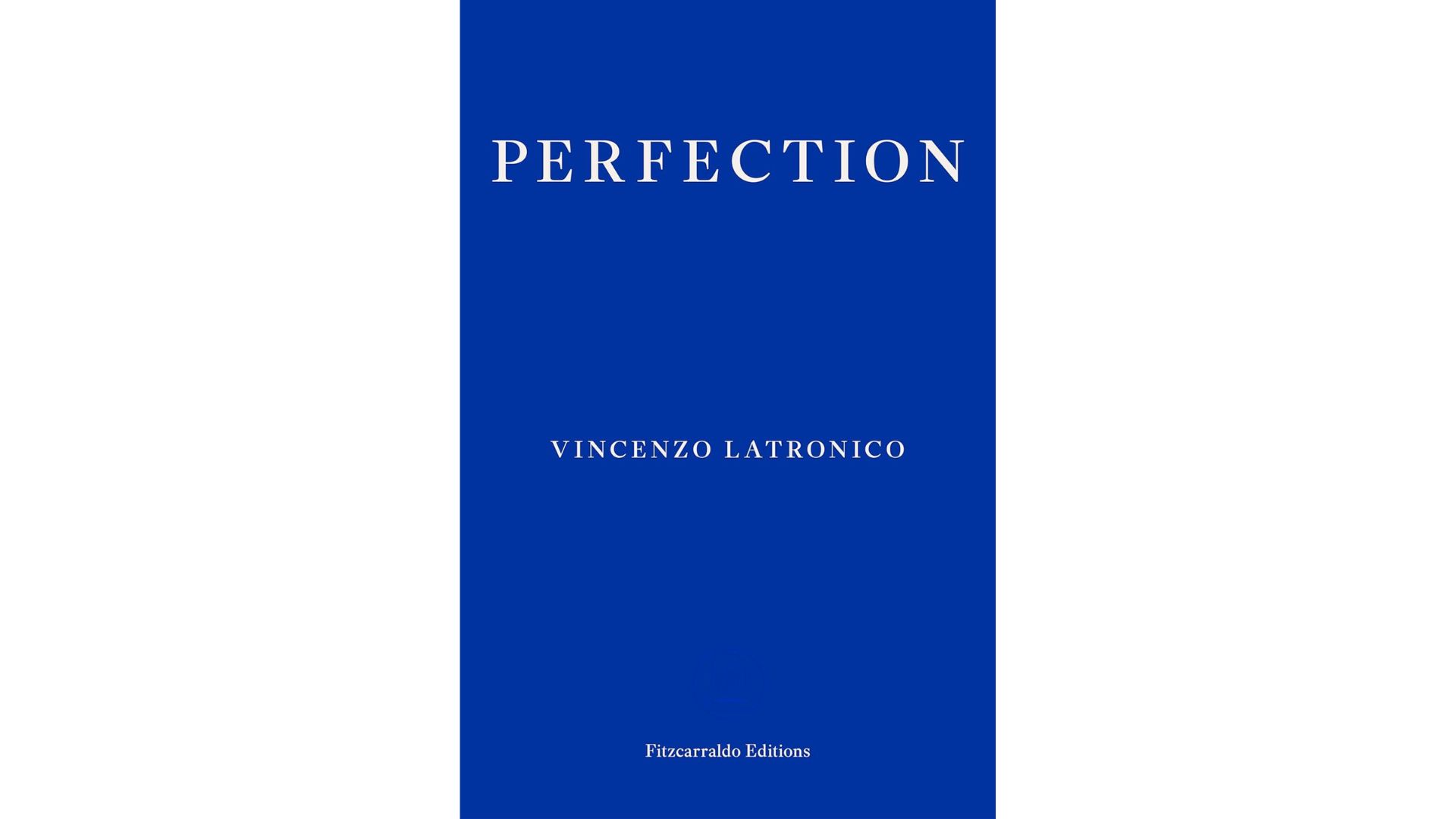
Vincenzo Latronico’s Perfection examines the permeation of our culture with the digital world. It follows couple Anna and Tom, freelancers living in Berlin. The book, translated by Sophie Hughes, begins with a description of the expat couple’s flat; through the lens of the curated images they use to attract sub-letters. This opening gesture encapsulates the novel’s concerns: how we perform our lives for digital consumption.
The novel so aptly captures contemporary isolation and the absurdity of the internet. One section describes a social media scroll: “An egg became more famous than the Pope. A highly contagious virus raged through West Africa. A fashion brand exploited East Asian sweatshop workers. A young woman recorded all the times she was catcalled. Two African Americans were killed by the police.” The speed of the online world flattens everything into equivalent scroll-fodder and most notably, steals time. Whilst Anna and Tom attempt to portray their lives as beautiful online, we observe the years go by for the couple. Through Latronico’s detached, clinical lens, it reads as slightly prophetic, the themes only intensified by the AI revolution.
The pandemic popularised ‘work from home’. We realised in-person offices weren’t essential anymore, and once restrictions were lifted, we continued buying our corporate wardrobes only from the waist up. But at what cost? The boundaries between work and home have dissolved. Our productivity is tracked through digital timestamps and green status indicators. The physical escape from the office hasn’t freed us; it’s made work omnipresent. We see the toll of this on Anna and Tom’s lives. They remain unsatiated. Paired with pressures to post online, the quest for perfection has no end. Not even from the comfort of our homes.
In the last few years, since Perfection was originally published in Italian in 2022, tools like ChatGPT and Google’s Gemini have bled into education and the workplace. They offer a ‘perfect’ output that Latronico’s characters could only dream of. Emails can be flawless, spreadsheets arranged for us, SEO algorithmically optimised. Rough edges are smoothed and inefficiency eliminated. One can imagine Anna and Tom reaching for ChatGPT to polish their Instagram captions and client emails.
We see a resurgence of infatuation with what David Nye in 1994 termed the “technological sublime”. There is a sense of awe in light of new technology, and this is coupled with the belief that these developments are unavoidable and irresistible to all. However, there is certainly a cultural hunger for the opposite. The messy and the imperfect are suddenly precious. Proof that something is humanmade. Audiences actively seek out human-created art, specifically valuing its flaws and idiosyncrasies. There are calls for regulation; for online material to come with stamps proving they have been made by humans. The very ubiquity of AI-generated perfection seems to be teaching us what Latronico’s characters learn too late. That humanity lies precisely in our imperfections, our quirks, our mistakes. A painting is moving not because it’s flawless but because someone’s hand trembled while making it.
Latronico’s novel ends ambiguously, his characters facing the emptiness their pursuit of perfection has created. We stand at a similar crossroads. AI may be completing the trajectory toward total optimisation while simultaneously revealing its fundamental limitation. Perfection without humanity, it turns out, is just another form of loss. Perhaps the real lesson is to recognise that our value lies exactly where the algorithms cannot reach: in the beautiful, irreducible messiness of being human.
Words by Isobel Slocombe
Want more Books content from The Indiependent? Click here
Support The Indiependent
We’re trying to raise £200 a month to help cover our operational costs. This includes our ‘Writer of the Month’ awards, where we recognise the amazing work produced by our contributor team. If you’ve enjoyed reading our site, we’d really appreciate it if you could donate to The Indiependent. Whether you can give £1 or £10, you’d be making a huge difference to our small team.