
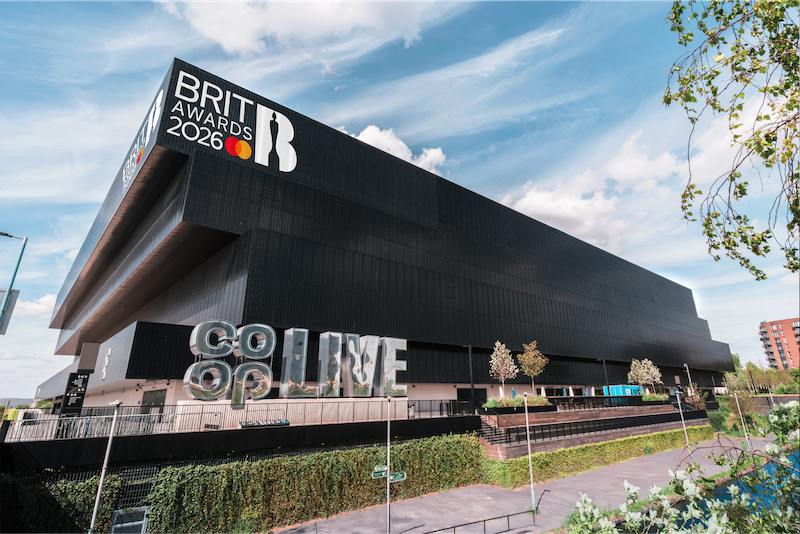
Manchester has never just been a supporting character in the British music scene—it’s always actively written the script. The city’s history is adorned with iconic moments, from Factory Records and the Haçienda, to Madchester, Britpop and everything that followed. Each generation heralds in a new wave of talent: newer acts like Aitch and Pale Waves are simply carrying the baton that has passed through the hands of Oasis, The Smiths, Joy Division, New Order, 808 State and The Stone Roses before them. Layer that musical legacy onto a dense ecosystem of venues, which includes smaller venues such as Band on the Wall, Night & Day Café and New Century, larger stadiums such as the Harry Styles-backed Co-Op Live arena as well as world-class institutions like the Royal Northern College of Music, and you have a city that doesn’t just host music, but produces it at every level. Music is hard-wired into everyday life, which makes it a fitting test case for what the new BRITs Fringe might look like.
BRITs Fringe is the clearest expression of that experiment so far. Launched ahead of the BRIT Awards 2026, which will be held on 28 February 2026, the programme is designed to sit alongside the main ceremony at Co‑op Live rather than compete with it, extending the BRITs’ reach from a single broadcast night into a month‑long presence across the city. Where the televised awards concentrate attention on chart success and performance spectacle, the Fringe positions itself further upstream: in education, skills, networking and early‑stage artist development. It treats Manchester less as a host city and more as a partner, using the platform of the BRITs to plug into existing grassroots structures instead of air‑lifting in a pre‑packaged roadshow.
The programme itself underlines that intent. At its centre is FRINGE LAB, a one‑day forum, mixer and live showcase at New Century Hall on the eve of the awards, bringing together emerging artists, music professionals and other creatives for talks, workshops, masterclasses and a public showcase spotlighting talent from the region. Around it sit BRITs Fringe: First Steps events—development sessions for young people hosted at Band on the Wall, the School of Digital Arts (SODA) and the Royal Northern College of Music—plus schools‑based activities delivered with Manchester’s music education service. Crucially, the whole thing is being developed and delivered by Manchester‑based organisation Brighter Sound, in collaboration with Manchester Music City and civic partners, rooting the Fringe in local networks and priorities.
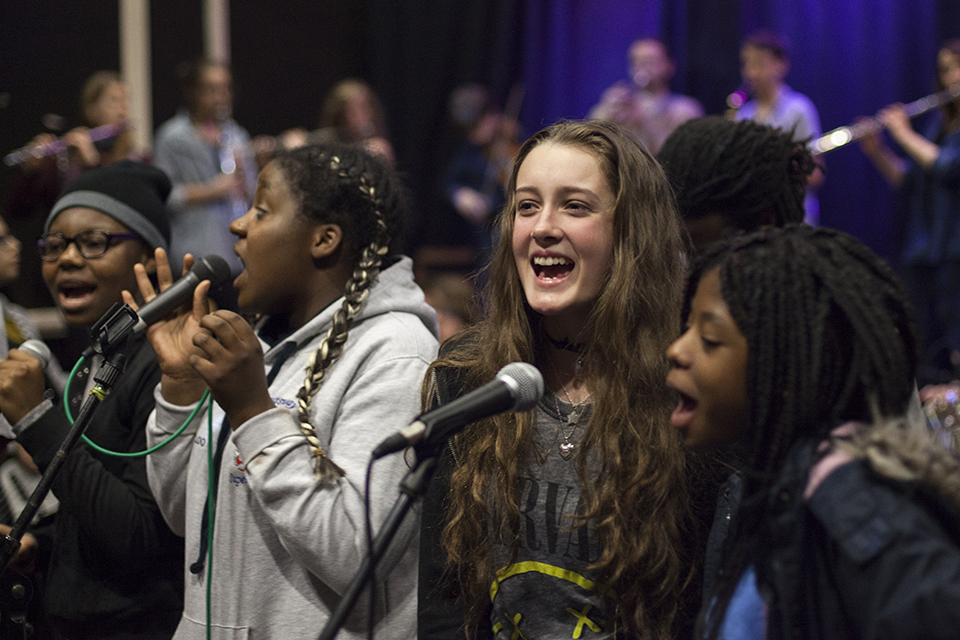
That structure gives the Fringe the potential to redistribute more than just a news cycle. For local artists, it creates new routes into the industry at the very moment when A&R, managers and media are converging on the city for the main event. For audiences, it broadens what “BRITs season” can look like: not only a prime‑time ceremony, but workshops, showcases and community‑level events taking place in familiar venues and schools. And for Manchester’s wider music economy, it opens the possibility of durable relationships between local organisations and national industry bodies – relationships that could outlast the awards weekend, shaping future signings, collaborations and projects.
Seen in a wider context, Manchester’s BRITs Fringe feels less like an anomaly and more like an early sign of a broader recalibration. The decision to move the BRIT Awards to Co‑op Live in 2026 and 2027—the first time the ceremony has left London in nearly 50 years—lands in the middle of long‑running conversations about how cultural capital is distributed across the UK. Other cities have been making the case for their own music ecosystems for years; combined authorities and local councils have increasingly framed music as part of economic and place‑making strategies. By explicitly aligning itself with Manchester’s “city of firsts” narrative and working with a steering group drawn from local creatives and the Greater Manchester Music Commission, the Fringe folds the BRITs into that regional story rather than hovering above it.
Whether this marks the beginning of a genuine rebalancing of the UK music landscape, or a high‑profile one‑off, remains an open question. If the Fringe model is sustained—and if future host cities are given similar scope to shape their own programmes, as with the UK City of Culture scheme, where places curate year‑long cultural calendars tailored to their own strengths—the BRITs could evolve into a genuinely itinerant institution, investing in different regional infrastructures over time instead of defaulting to a single London‑centric orbit. Even if that horizon is still some distance away, the Manchester edition is significant. It acknowledges that a city with Manchester’s history and present‑day vitality deserves more than a passing spotlight; it deserves a framework that connects its grassroots creativity to the industry’s biggest stage. If the BRITs can hold that line—and back it up with continuity and resources—Manchester’s Fringe might come to be seen not just as a local celebration, but as the moment the centre of gravity in British music began, however subtly, to shift.
Words by Sophia McHardy
Support The Indiependent
We’re trying to raise £200 a month to help cover our operational costs. This includes our ‘Writer of the Month’ awards, where we recognise the amazing work produced by our contributor team. If you’ve enjoyed reading our site, we’d really appreciate it if you could donate to The Indiependent. Whether you can give £1 or £10, you’d be making a huge difference to our small team.