
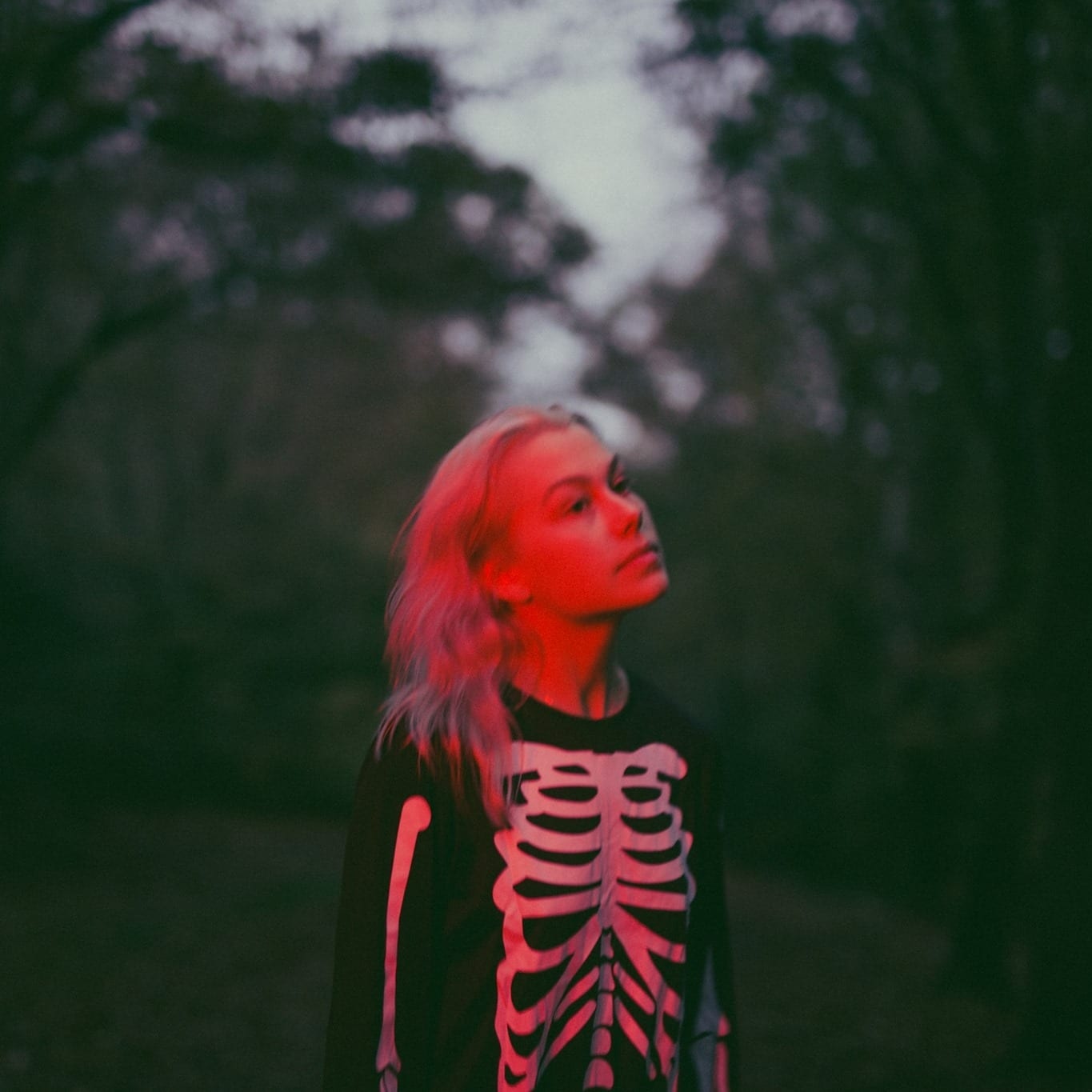
The critically acclaimed singer-songwriter Phoebe Bridgers gained immense popularity after her 2nd studio album Punisher, released in 2020 in the midst of COVID. It is hardly a coincidence that the apocalypse, as Bridgers describes it, brought fans to gravitate towards the existential and somewhat nihilistic soundscapes of this record.
Her fanbase, at the time, largely consisted of teenage girls experiencing the same inner turmoil, growing from the peculiar and dystopian circumstances of lockdown. “The End is Here” is a lyric that marks this tumultuous pandemic impeccably. The resurgence of “Sad Girl Music” which made its way into mainstream music in the 2020’s, was a direct reflection of this ubiquitously tough time period. This subgenre also created space for many other melancholic female artists, with a similar sound.
Artists like Mitski, Clairo and Lana Del Rey filter into this contemplative genre, though all three have carried themselves through to present day, releasing and developing new music. Despite Bridgers’ disappearance from the public eye, much of her music can hardly be forgotten due its seasonal resemblance. ‘Halloween’, for example, is an fall classic for a moody and yearnful Autumn. Not to mention, Bridgers’ brand has revolved around Halloween-esque symbols, like her ghostly Stranger in the Alps album cover, and the use of skeleton costumes for outfits on tour and signature merch. For fans, October is a time to indulge in the sadness found in Bridgers’ bridges.
Moving through into the winter months, Christmas is also a time for ‘Mak[ing] it Through December’ and soaking up ‘So Much Wine’. Bridgers’ discography has many Christmas singles like ‘Day after Tomorrow’ and ‘Christmas song’, which marries her wintery scenic storytelling with hand painted ghosts on the cover art. With Bridgers’ music being so intertwined with seasonal listening, it is no wonder why we are asking ourselves “Where The F*ck is Phoebe Bridgers?”—it is her season after all!
Although Bridgers has not released an album in almost six years, her band boygenius, with members Lucy Dacus and Julien Baker, had their stardom in 2023 after the release of The Record and a subsequent EP The Rest. This was the perfect sequel to Bridgers’ solo work, and broadened the scope of heart-wrenching tunes for fans. Dacus and Baker gained recognition for their solo work, and the music landscape was fruitful for listeners with an inclination for melancholia.
On the back of this, artists such as Searows, Gracie Abrams and Lizzy McAlpine had a fertile ground to plant their similar sounding music. Alternative Indie is not a new genre developed single-handedly by Bridgers, but she did help build momentum for other niche artists, expanding the bandwidth of the blanket term “Sad Girl Music”. With Bridgers being such an influential part of this genre, some have suggested that subsequent artists risk crossing the line from inspiration to imitation. Bridgers’ raw and authentic essence is one that is unable to be replicated, and it’s hard to say if artists of a similar ilk would have the fandoms they do if it weren’t for her influence. Essentially, the concern here is not with this less refined music. It rather raises the question of why artists, who are arguably less developed, are releasing albums and touring along the trail Phoebe Bridgers helped to blaze, while she herself is now largely absent.
In 2024, after boygenius won multiple Grammy’s, the three members announced that they would be taking a step back from the music industry, and just a few days after this Bridgers removed all posts from her Instagram page. In a world that exists heavily online, this move from Bridgers intensified the feeling of a loss rather than a temporary absence. Fans could not stalk her page like some ex-lover they once had. Two years on, this decision has remained unchanged. Despite speculation, and a suggestion of a new album, there is no concrete information on Bridgers’ return and she is still on an understandable break from the music industry.
The irony of Bridgers’ absence lies in the basis of her music. It’s as if she gathered a generation of adolescent yearners, offering them songs steeped in longing, and then withdrew; leaving them to ache not only through the music, but for the artist herself. What binds her listeners together is their throttling nostalgia and innate gloom. Bridgers’ absence is like an extension of these dark and emotive undercurrents that define her work. Perhaps 2026 will be the return of the angsty indie alternative artist; Phoebe Bridgers.
Words By Louella Venus
Support The Indiependent
We’re trying to raise £200 a month to help cover our operational costs. This includes our ‘Writer of the Month’ awards, where we recognise the amazing work produced by our contributor team. If you’ve enjoyed reading our site, we’d really appreciate it if you could donate to The Indiependent. Whether you can give £1 or £10, you’d be making a huge difference to our small team.