
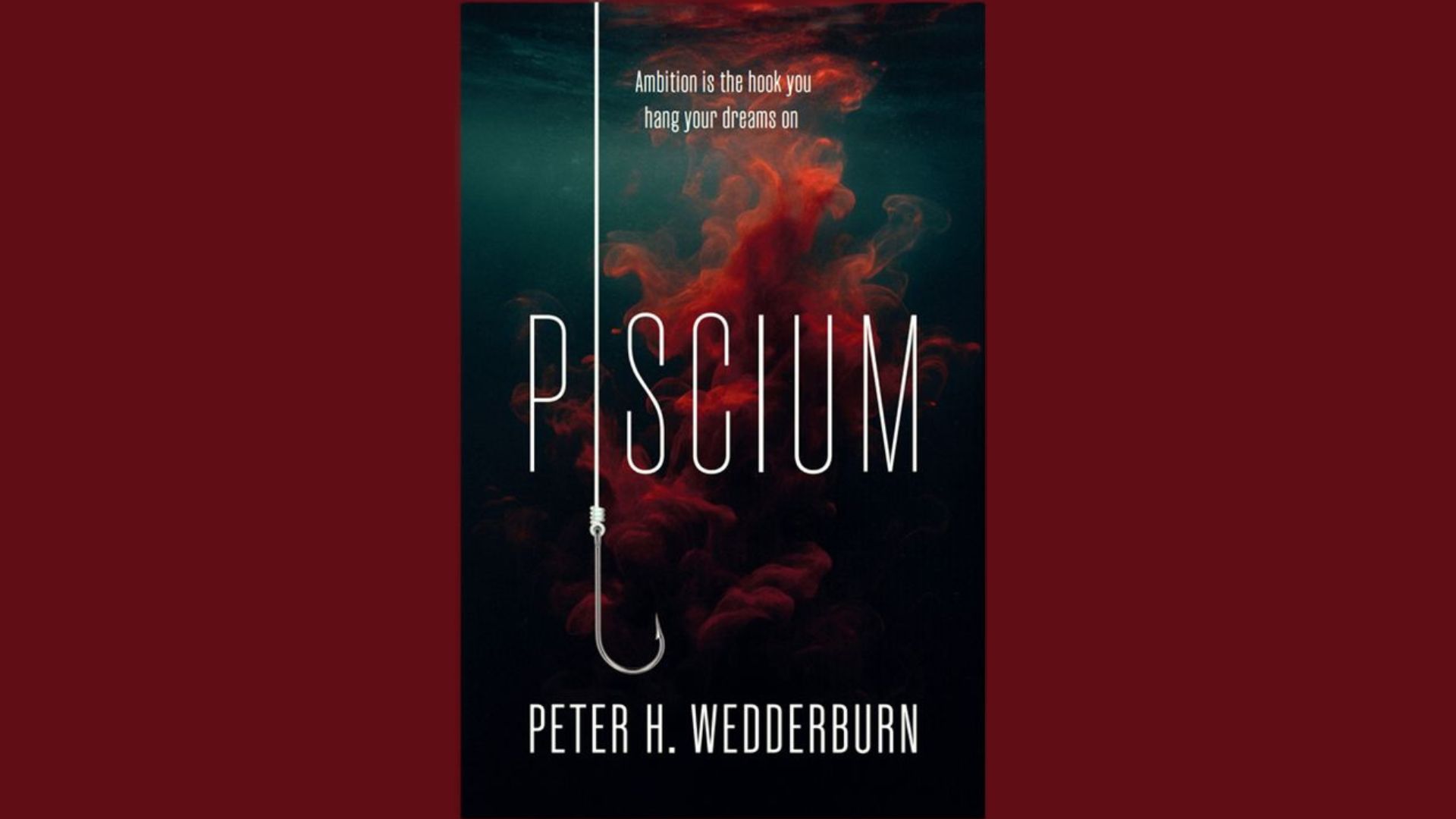
At its heart Piscium follows that timeless narrative structure: the repercussions of a man’s hubris.
In this case the man is publishing magnate Andrew Rothstone. He decides that what the lake on his Yorkshire estate really needs is a bit of extreme fishing, and rather than coming up with some more typical method of diversifying the estate, he decides on using genetic engineering to create a new species of fish that takes the dynamic nature of a tropical species but combines it with something that can cope with colder climes.
Of course, that sketch of the plot structure rather misses the essence of the book. Alongside that main plot arc, there are other elements that would happily fill books of their own, from a cursed lake with submerged church, to the precarity of corporate growth based on just a touch of fraud. Piscium, could be described as an eco-thriller, but that would be a disservice, for it exceeds the limitations of that genre.
There are plenty of little nods to the thriller tropes you might expect. The fish is designed by disaffected post-soviet scientist, the government are more focused on headlines than accepting the realities of the issues, and solutions are based on hunches that work out. However, there are other aspects that give the novel a slightly richer texture. There is something of Midsommer Murders to the Rothstone estate, with all the local characters you’d expect: a game keeper, local (and rather unlucky) teenagers, an old estate manager, a local poacher, a love interest–esque vet, and the local boy done good back from London.
There is also a satirical element that is somewhat reminiscent of Yes Minister, with blundering politicians ignoring advice from civil servants and then focusing more on covering their own backs than actually solving the problem. The suggestion that an incident could be staged in the Persian Gulf to distract the news from covering the fish until things have been brought under controls, now reads as prescient.
Piscium is clearly written by one in firm command of the subject. Although I doubt Wedderburn has experimented with genetically modified fish, and would surely not have written about it if so, there is sufficient attention to detail to give a sense of reality even when moving firmly into the realm of speculative fiction. In particular, Wedderburn’s experience in magazine publishing shines through, adding just enough of those little details drawn from life to enliven discussions of corporate strategy and inevitable fall. However, there are points where things could be tightened up. as excess information is given without a need for it and so does on occasions interfere with the pacing. Yet a confident authorial voice and well written prose keep the novel’s moment going throughout.
That sense of writing from a point of knowledge is very apparent in some of the descriptions of place, particularly around Teddington Lock. The description is not detached background setting text; it shows the impact place can have and the care that develops for it. I rather doubt that any publishing magnates are currently planning to play with genetic engineering in such a cavalier way, but, as Wedderburn highlights, ecology is often overlooked in favour of profit or government expediency.
Words by Ed Bedford
Want more Books content from The Indiependent? Click here
Support The Indiependent
We’re trying to raise £200 a month to help cover our operational costs. This includes our ‘Writer of the Month’ awards, where we recognise the amazing work produced by our contributor team. If you’ve enjoyed reading our site, we’d really appreciate it if you could donate to The Indiependent. Whether you can give £1 or £10, you’d be making a huge difference to our small team.