
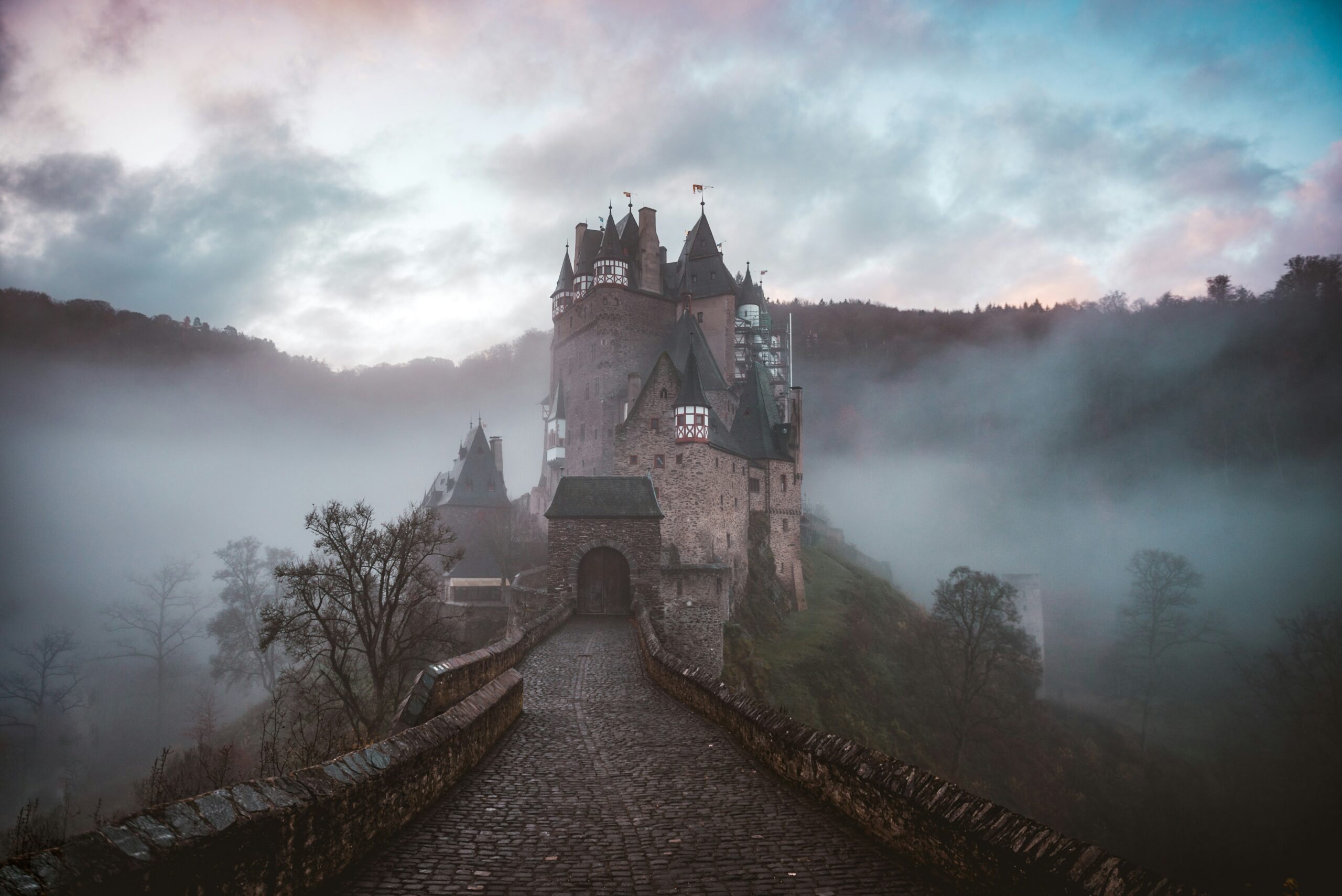
Once upon a time, fairy tales followed a familiar script: damsels in distress, charming princes, and clear-cut villains. These archetypal stories, handed down for generations, helped shape cultural notions of morality, gender, and heroism. But as the world—and its storytellers—grew more self-aware, these tidy narratives began to unravel. In their place emerged the fractured fairy tale: a subversive genre that dismantles the traditional tropes and rebuilds them with irony, critique, and contemporary insight.
Today, fractured fairy tales are more than clever reinterpretations. They are a tool for cultural reflection—a way of interrogating the past, questioning power structures, and imagining new possibilities. Through their deliberate distortion of “once upon a time,” they challenge who gets to speak, who gets rescued, and who gets remembered.
From Grimm to Grim: The Roots of the Genre
Fairy tales have always evolved. Long before they were sanitized for children, stories like those collected by the Brothers Grimm or Charles Perrault were dark, bloody, and moralistic. The Grimm brothers’ Snow White featured a stepmother forced to dance in red-hot iron shoes; in Little Red Riding Hood, the wolf wins more often than not.
These tales were not born in royal courts but in kitchens and marketplaces, passed orally through generations. They reflected the fears, values, and survival tactics of working-class communities. But when Victorian sensibilities took over, fairy tales were cleaned up for “proper” audiences—sanitizing violence while reinforcing patriarchal and colonial hierarchies.
The “fracturing” of these tales in modern times is, in many ways, a return to their unruly roots—except now, the lens is sharpened by possibilities of feminist, postcolonial, and postmodern critique.
Modern Reimaginings: Feminism and the Subversion of Power
A key feature of fractured fairy tales is the inversion of power dynamics. Women no longer wait for salvation; they rewrite the story.
Take The Bloody Chamber by Angela Carter (1979), a landmark work in feminist literature. Carter’s reimagined tales—such as “The Company of Wolves” and her dark retelling of Bluebeard—explore female sexuality, violence, and agency. Her heroines are not passive figures but complex beings negotiating oppressive systems.
In a similar vein, Wicked by Gregory Maguire (1995) reframes The Wizard of Oz from the perspective of the “Wicked Witch,” now reimagined as Elphaba—a politically radical, misunderstood figure resisting authoritarian rule. The book (and its hit Broadway adaptation) interrogates how society labels women who speak out as “evil,” offering a layered critique of othering and power.
Fractured tales like Ella Enchanted by Gail Carson Levine (1997) resist the passive-girl trope by giving the heroine a “curse of obedience” she must overcome—not through romance, but through self-empowerment.
Even Disney, once the bastion of simplistic moral binaries, has pivoted toward meta-narratives and self-aware subversions. Frozen (2013) famously replaces true love’s kiss with sisterly sacrifice, and Maleficent (2014) reframes the iconic villain as a violated, vengeful woman whose complexity far outshines the cardboard heroine of the original Sleeping Beauty.
Postcolonial Threads: Reclaiming Story Through Global Perspectives
Fractured fairy tales are also increasingly global, challenging Eurocentric canons and reclaiming indigenous and diasporic narratives. Writers from formerly colonized regions are retelling not just Western fairy tales—but their own folkloric traditions, reexamining how colonization shaped which stories were told, and how.
In Black Sun by Rebecca Roanhorse and The Jumbies series by Tracey Baptiste, Caribbean and Indigenous mythologies form the backbone of sweeping, magical narratives that center characters and cultures historically erased by Western tales.
Kenyan author Ngũgĩ wa Thiong’o has argued that colonialism disrupted African storytelling by replacing oral traditions with imposed Western narratives. Contemporary authors, like Chimamanda Ngozi Adichie, emphasize the “danger of a single story”—a concept mirrored in fractured fairy tales’ mission to reclaim multiplicity.
Even in Western retellings, postcolonial themes echo. In The Wrath and the Dawn by Renée Ahdieh (2015), the One Thousand and One Nights is retold from a feminist, Middle Eastern perspective, restoring nuance and voice to the original storyteller, Scheherazade—a woman who survives through her wit, not her beauty.
Why Fracture the Tale?
At their core, fractured fairy tales ask: Whose version of the story are we telling?
This genre thrives because it doesn’t simply parody old tropes—it interrogates them. Who decided that wolves were evil, witches were wicked, and princesses needed saving? Why are beauty and virtue always entwined, and why do women so often lack autonomy?
By breaking traditional narratives, fractured fairy tales hold up a mirror to society’s assumptions about gender, race, class, and morality. They offer space for marginalized voices to speak, and for readers to question how they’ve been taught to see the world.
Happily Ever After… Or Not?
In a fractured fairy tale, there is rarely a tidy resolution. Instead of “happily ever after,” we get open-endedness—an acknowledgment that real life, unlike fairy tales, is complicated. And that’s precisely the point.
These reimagined stories aren’t just about entertainment—they’re acts of resistance and reclamation. As the world continues to confront old hierarchies and reimagine new futures, fractured fairy tales offer a powerful reminder that even the most entrenched stories can be rewritten.
After all, every story begins with a choice: to repeat what’s been told—or to fracture the tale and tell it anew.
Words by Cassandra Fong
Support The Indiependent
We’re trying to raise £200 a month to help cover our operational costs. This includes our ‘Writer of the Month’ awards, where we recognise the amazing work produced by our contributor team. If you’ve enjoyed reading our site, we’d really appreciate it if you could donate to The Indiependent. Whether you can give £1 or £10, you’d be making a huge difference to our small team.
Hi Cassandra,
Really loved reading your piece on fractured fairytales 😀