
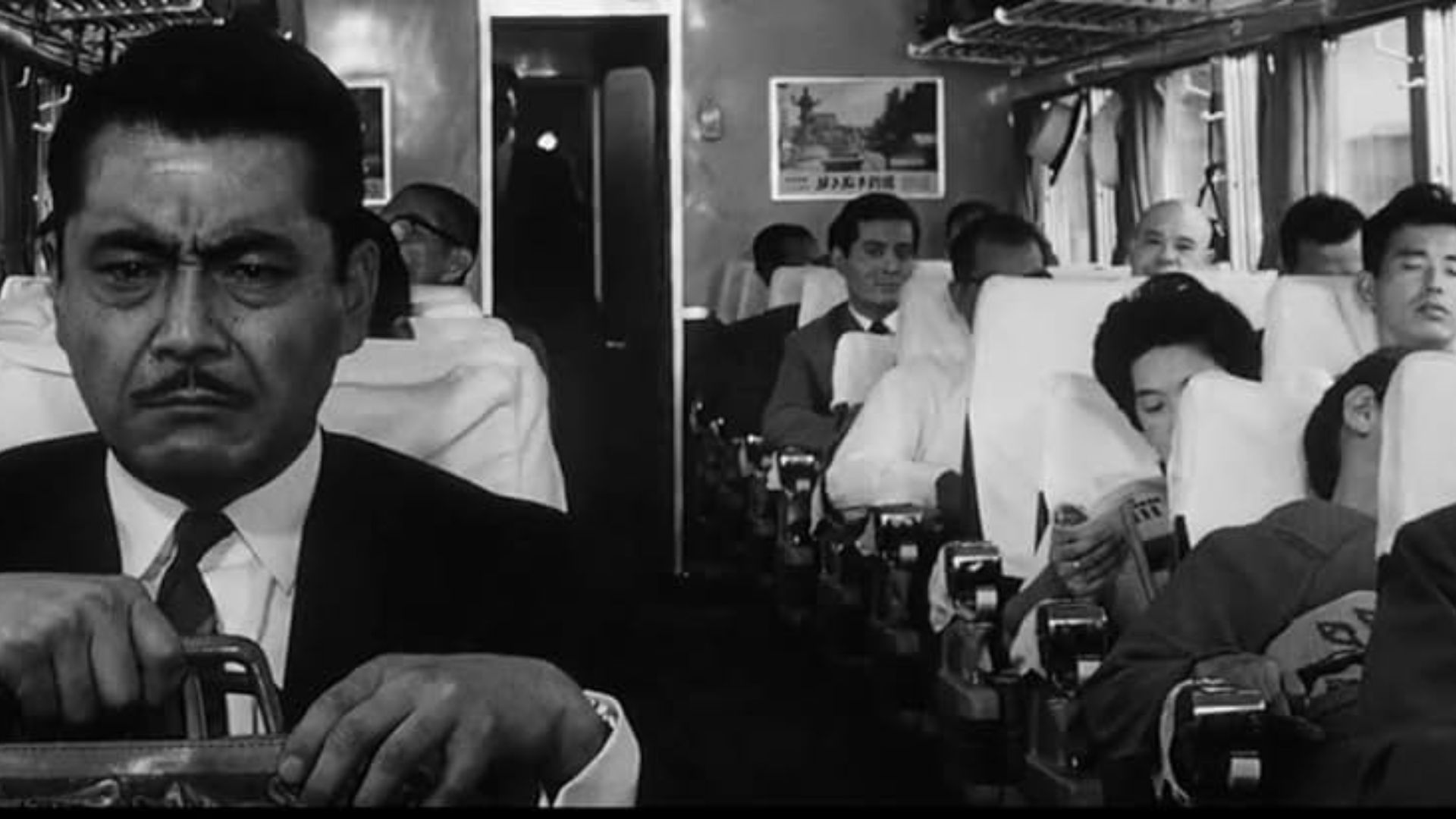
In advance of Highest 2 Lowest, Spike Lee’s latest film, it is worth casting an eye over the prolific career of Akira Kurosawa. Why? You may ask. This is one of a collection of films translating Kurosawa’s magnificent and varied filmography into English-language stories, from blockbuster sci-fi to a British period drama.
Seven Samurai (1954) → The Magnificent Seven (1960)
Horses, forests and rain: one of Kurosawa’s first jidai-geki films (Japanese period dramas set in the feudal era) ended up being one of his most influential. Swapping the swords for guns, however, leaves many recognisable elements in place for an equally iconic genre.
Here, Kurosawa’s samurai are isolated and buyable, having been hired by a village as protection from bandits. They aren’t heroes in the traditional sense, and a key tension emerges in their moral code coming up against financial needs—the townsfolk aren’t rich after all. Similarly, cowboys are often unsympathetic, being swayed by money, heroism, and their own stubborn independence.
Kurosawa was notable for acquiring a repertory group of familiar faces to populate his films; the most ubiquitous being Toshiro Mifune – in their seventh collaboration! – bouncing off the screen as young recruit Kikuchiyo. John Sturges, fresh off another Western legend in Gunfight at the O.K. Corral, transferred this thinking into a truly all-star cast for his Seven, among them Steve McQueen and Yul Brynner.
Yojimbo (1961) → A Fistful of Dollars (1964)
The lean, mean figure of a lone samurai was perhaps never better expressed than in Yojimbo. Mifune – the perfect, muscular vessel for Kurosawa’s storytelling sweep – was expertly used here, cutting an imposing nameless figure as he wanders into a desolate town overrun by two rival gambling bosses. He stops for a drink, senses tension in the air, and drifts aimlessly into the action; you can almost hear the tumbleweed and saloon doors as he first wanders down the main street.
The isolated sword-for-hire fits perfectly into the American western tradition, though it took an outsider in Sergio Leone to strip down the genre beats, and locate a perfect anti-hero in the young Clint Eastwood. Perhaps the most impressive element here is finding a composer to match Masako Sato’s swaggering theme music – of course, Leone struck gold with Ennio Morricone.
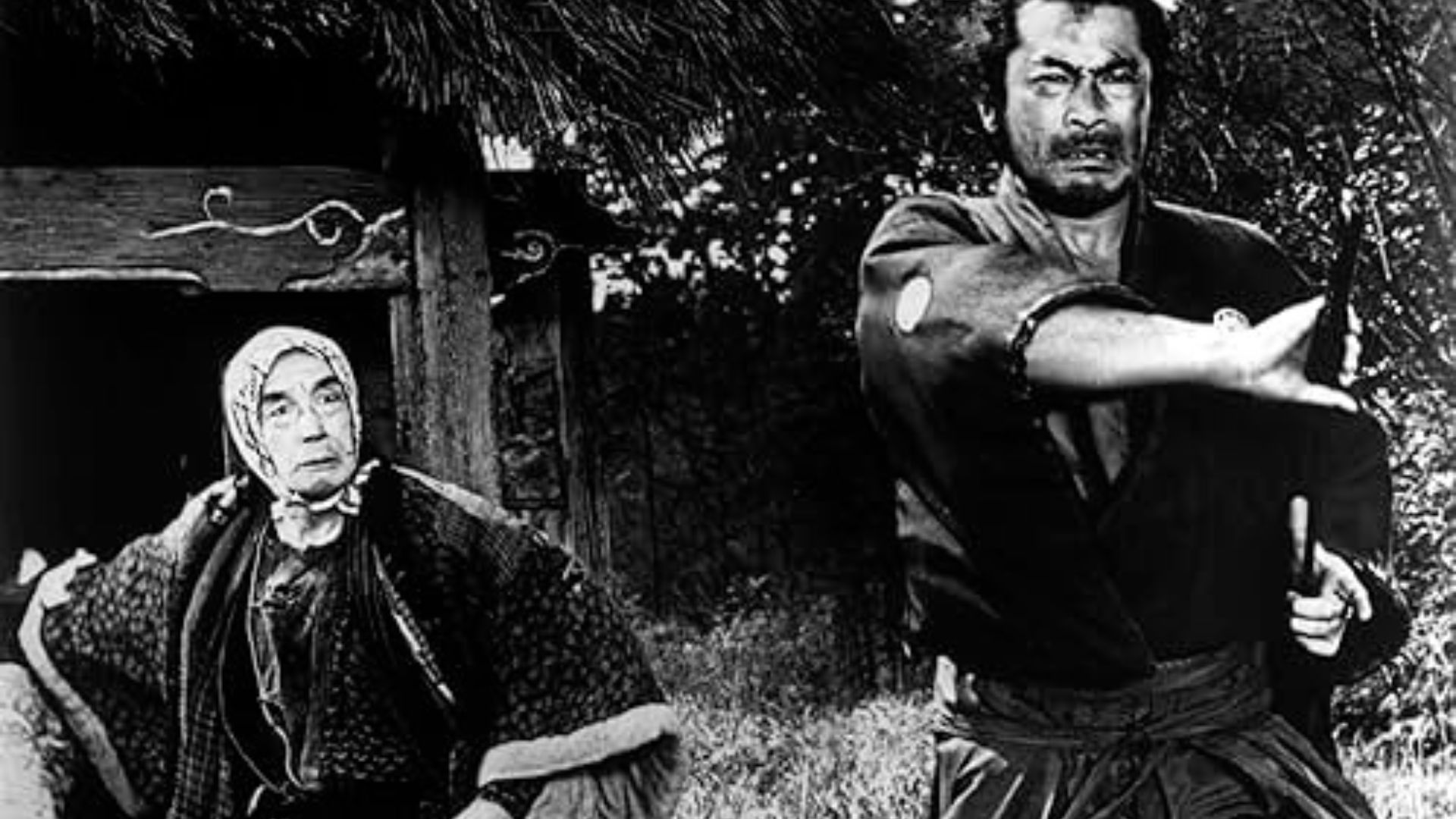
The Hidden Fortress (1958) → Star Wars (1977)
Later, in the 1970s, the New Hollywood directors were as much advocates for world cinema as they were directors—before a group including Francis Ford Coppola began helping Kurosawa find funding, George Lucas had already repaid the debt in his 1977 space opera. While not a direct adaptation, Star Wars is well-known for owing considerably to The Hidden Fortress, with the incessant bickering of two peasants translating into the comic pairing of C3PO and R2-D2. These are Kurosawa’s main characters, though; fleeing prison camps after their ruling clan is overthrown, they cross paths with the only surviving princess and her samurai protector, and together try to escape to safety with the royal stash of gold.
Lucas translates these timeless archetypes of lost royalty and sacrifice into his own universe’s history. Incidentally, the traces of jidai-geki are so apparent in Star Wars that fans have even theorised that the genre inspired the name ‘Jedi’. More obvious than the characters, though, is Kurosawa’s repeated trick of editing together scenes not with a cut but a vertical wipe across the screen; it is the perfect transition to inject these adventures with comic-book intensity, and one that feels at home in an American blockbuster.
Ikiru (1953) → Living (2022)
The only film on this list which isn’t in the jidai-geki tradition, but is no less masterful, is Ikiru. Instead, it is a spare, heart-rending drama with no grander subject than the meaning of life. An aging man (portrayed by Takashi Shimura, another recurrent face in Kurosawa’s work) is unexpectedly diagnosed with a terminal illness, at the point of coming to retirement in his middle-management job.
Thanks to its simple story, this is possibly the most recognisable of the remakes. It took another prolific figure in Kazuo Ishiguro to adapt an English-language screenplay, set in post-war London. Bill Nighy is mesmerising as the central figure—upon the diagnosis, he doesn’t so much confront his past as succumb to it. His life has drifted by, like the ever-circling paperwork at his office, and he comes to realise that all along he has been swerving the actions that his position allows. Kurosawa’s film is a masterpiece, but director Oliver Hermanus and Ishiguro came up with a stunningly moving and respectful adaptation.
High and Low (1963) → Highest 2 Lowest (2025)
Another string to Kurosawa’s bow was taut crime thrillers, which prove his skill by being able to conjure suspense without any swords being drawn. High and Low is arguably the best – a long, sweeping procedural drama filled with moral pyrotechnics and great performances. Mifune brings his well-honed anti-heroism to exquisite use as Gondo, a hollow businessman faced with paying a large ransom for his kidnapped son. The bitterness on his face at having to squander an already tense negotiation to stump up the cash is a delight: a situation made worse when it turns out that the kidnappers have made a mistake, instead taking the son of his long-suffering chauffeur.
It is worth noting that High and Low itself is based on a hard-boiled noir by American novelist Ed McBain, set in a fictionalised New York City. Filmmakers have always been interested in reinvention, and Kurosawa is no different; he adapted classic texts from Shakespeare (Throne of Blood, 1957; Ran, 1985), Tolstoy (Ikiru), and Dostoyevsky (The Idiot, 1951). These remakes do not necessarily reflect back on Kurosawa as an artist but rather embody the sheer prestige and creativity which is so blazingly displayed in all of these films.
Spike Lee’s own interest in the material is curious—it is only 12 years ago that many critics were perplexed by his perfunctory Americanisation of Park Chan-Wook’s classic shocker Oldboy after all. However, there are themes in High and Low that seem to chime with the director’s previous work. The class shame and twisted loyalty in Gondo is such fertile ground for drama, and the second act’s expansion into the city will be fascinating through Lee’s eye for street-level tension. And, most of all, it is thrilling to see Lee teaming up once again with his own Mifune in Denzel Washington: a surefire recipe for fireworks.
Words by Max King
Highest 2 Lowest is in cinemas and on Apple TV+ from September 5.
Support the Indiependent
We’re trying to raise £200 a month to help cover our operational costs. This includes our ‘Writer of the Month’ awards, where we recognise the amazing work produced by our contributor team. If you’ve enjoyed reading our site, we’d really appreciate it if you could donate to The Indiependent. Whether you can give £1 or £10, you’d be making a huge difference to our small team.