
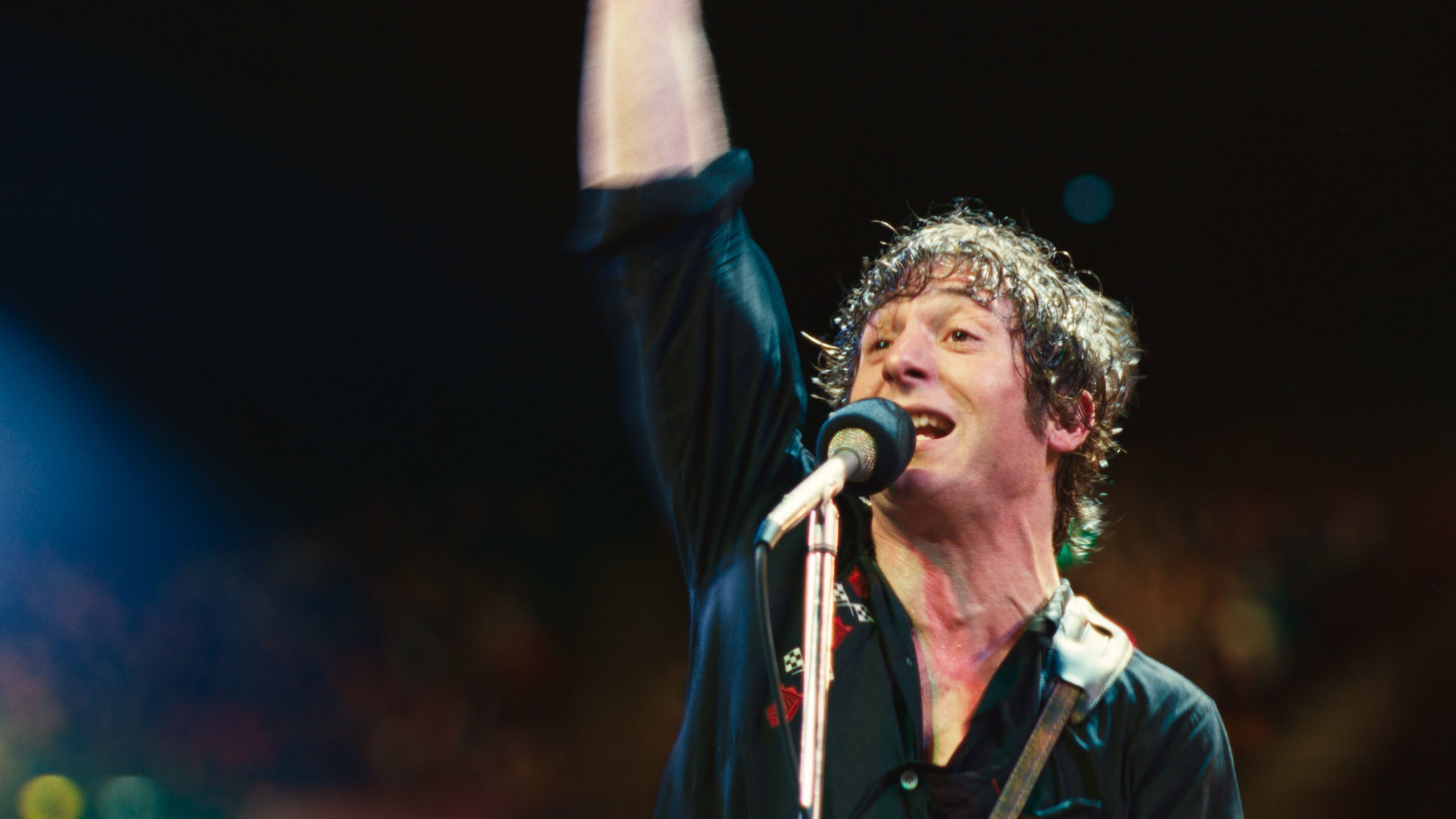
As soon as the trailer for Deliver Me From Nowhere, Hollywood’s latest biopic, was released, the internet was sent into disarray.
Seeing Jeremy Allen White portraying the legendary Bruce Springsteen in his iconic denim, singing ‘Born to Run’ with passion, electricity and an eerily good accent, the trailer has already resulted in many calling for Allen White to “collect his Oscar”.
But while excitement is high, so is trepidation. Hollywood has also seen its fair share of poor biopics, from the ‘inaccurate’ portrayal of Amy Winehouse in Back to Black (2024) to the ‘sensationalist’ performance of Marilyn Monroe in Blonde (2022). With such a hit-or-miss success rate, why do they keep being made? And what does it mean to do a biopic well?
Accuracy, new-found love, and talking monkeys
When done right, a biopic can be both a touching homage for diehard fans and the key to introducing a new audience to a celebrity or artist, retelling their story in a meaningful and memorialising way.
One example of a success is James Mangold’s A Complete Unknown (2024), which took the world by storm last year. While the initial decision to cast ‘White Boy of the Year’ Timothee Chalamet as Bob Dylan seemed a little brave, when the reviews came in, it was a landslide of positivity.
The performance left The Guardian’s music editor Laura Snapes “fizzing with teenage-worthy obsession”, and she wasn’t alone. Mangold ended the award season with more awards than space in his cabinet, and a healthy 82% Rotten Tomatoes score.
The general consensus was Chalamet’s heartfelt portrayal, and the unique approach to present a sometimes unlikable view of the star, enticed audiences.
In a similar vein, Michael Gracey’s Better Man (2024), the oddly heart-warming biopic of Robbie Williams—played in part by the singer himself, but as a monkey—impressed audiences across the globe.
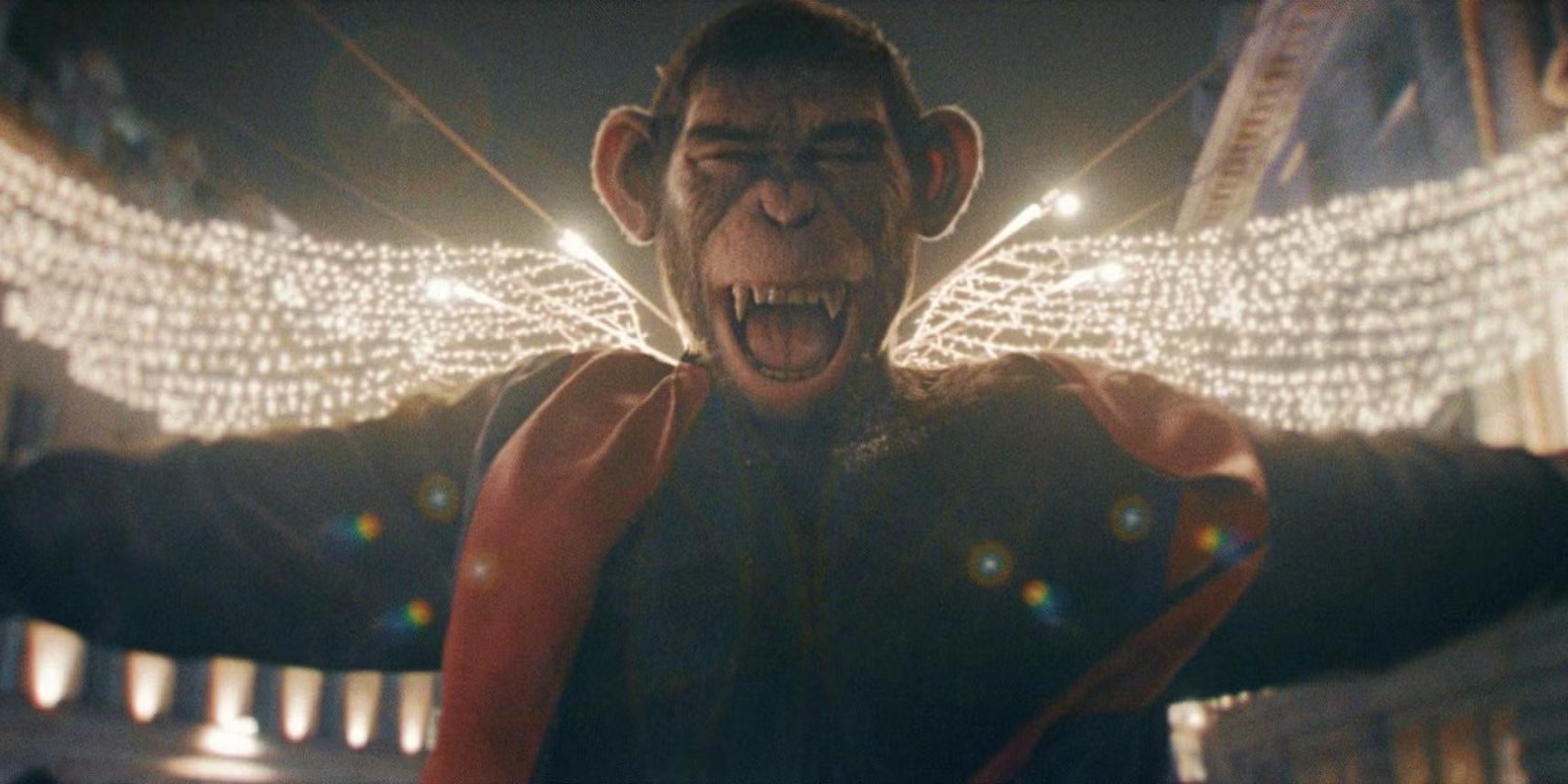
Soon after its release, every film buff, Robbie fan, and confused American was talking about the movie, which also claimed a respectable 89% Rotten Tomatoes score, and was described by Mae Abdulbaki of ScreenRant as “the weirdest, coolest biopic seen in recent memory”.
Other successful biopics over the years include Christopher Nolan’s blockbuster smash hit Oppenheimer (2023), the multi award nominated Lincoln (2012), which saw Daniel Day-Lewis win a Best Actor Academy award, and Tom Hooper’s critically acclaimed The King’s Speech (2010).
It seems as if the way to successfully nail a biopic is to take the biopic formula, and flip it on its head, or to give a new and interesting insight into the life of a celebrity. From casting a hungry, young actor who may at first seem a little odd as a choice, to using an anthropomorphic, maybe slightly terrifying monkey as the protagonist, taking a classic story and using fresh, new ideas to portray it, seems to be working.
Sensationalism, bias, and taking it too far
However the internet and critics alike can be quick to point out flaws in biopics, whether that is inaccuracies, poor portrayals, or the bizarre decision to include a talking foetus (more of that later).
One of the most widely criticised biopics of recent times is Sam Taylor-Johnson’s Back to Black 2024), a retelling of the tragic life of the iconic Amy Winehouse.
Fans of the singer did not waste time in arguing that Marisa Abela’s performance was impressive but ‘not very alike’ to the singer, and noted the film’s sensationalist portrayal of Winehouse’s life.
Whether films can seem exploitative is a question that often arises when a new biopic hits the screen.
Andrew Dominik’s Blonde (2022) also caused a stir following its release. Although Ana De Armas did a more than adequate job of playing the star, whether intended or not, the film ended up portraying Monroe as the exact thing the film tried to avoid: nothing more than a sexual object.
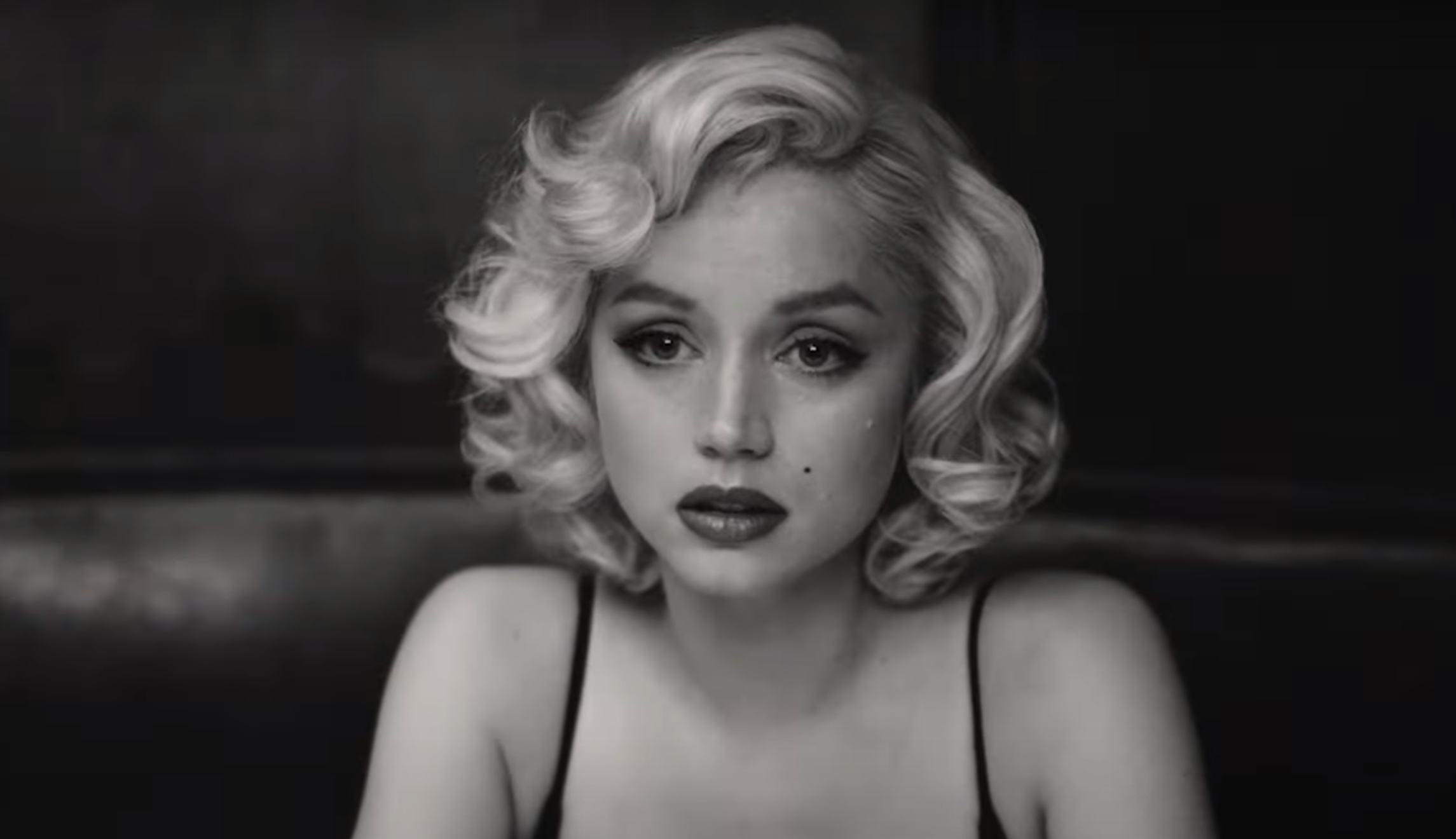
Dominik’s decision to include Monroe’s talking foetus left viewers perplexed, the decision only adding to the farcical production of what should have been a heart wrenching story of a woman who had been failed by Hollywood.
Other controversial biopics over the years include the “well-intentioned” but “laced with bizarre cardboard dialogue” Diana (2013) starring Naomi Watts, Gabriel Range’s Stardust (2020) based on the incredible life of pop icon David Bowie, and Joshua Michael Stern’s Jobs (2013), based on the life of Steve Jobs.
The problem with taking on a biopic is that the endeavour welcomes a magnifying glass-like scrutiny far beyond that of an entirely fictional production. From die-hard fans of the celebrity being portrayed to lovers of accuracy, biopics invite mass analysis and input.
So why does Hollywood keep doing it?
The positives of creating a successful biopic do not go unnoticed. It is no secret that they dominate the awards ceremony, from Eddie Redmayne’s Best Actor winning performance in The Theory of Everything to Charlize Theron’s unrecognisable, award-winning performance as serial killer Aileen Wuornos in Monster.
More than 20 biopics have secured Best Picture awards at the Academy Awards over the years, and nearly 400 Academy Award nominations have been for actors playing real-life figures. Biopics and their story-heavy, character led narratives draw in fans of their subjects, film buffs, and viewers across the spectrum.
When the plot lines are already set in stone, more focus can be paid to casting A-list stars, nailing artistic cinematography, and creating a cinematic masterpiece—at least in theory.
When done right, the likelihood of success during awards season is high. But as many releases have shown, there is a fine line between success and failure.
Words by Panayiota Demosthenous
Support The Indiependent
We’re trying to raise £200 a month to help cover our operational costs. This includes our ‘Writer of the Month’ awards, where we recognise the amazing work produced by our contributor team. If you’ve enjoyed reading our site, we’d really appreciate it if you could donate to The Indiependent. Whether you can give £1 or £10, you’d be making a huge difference to our small team.