
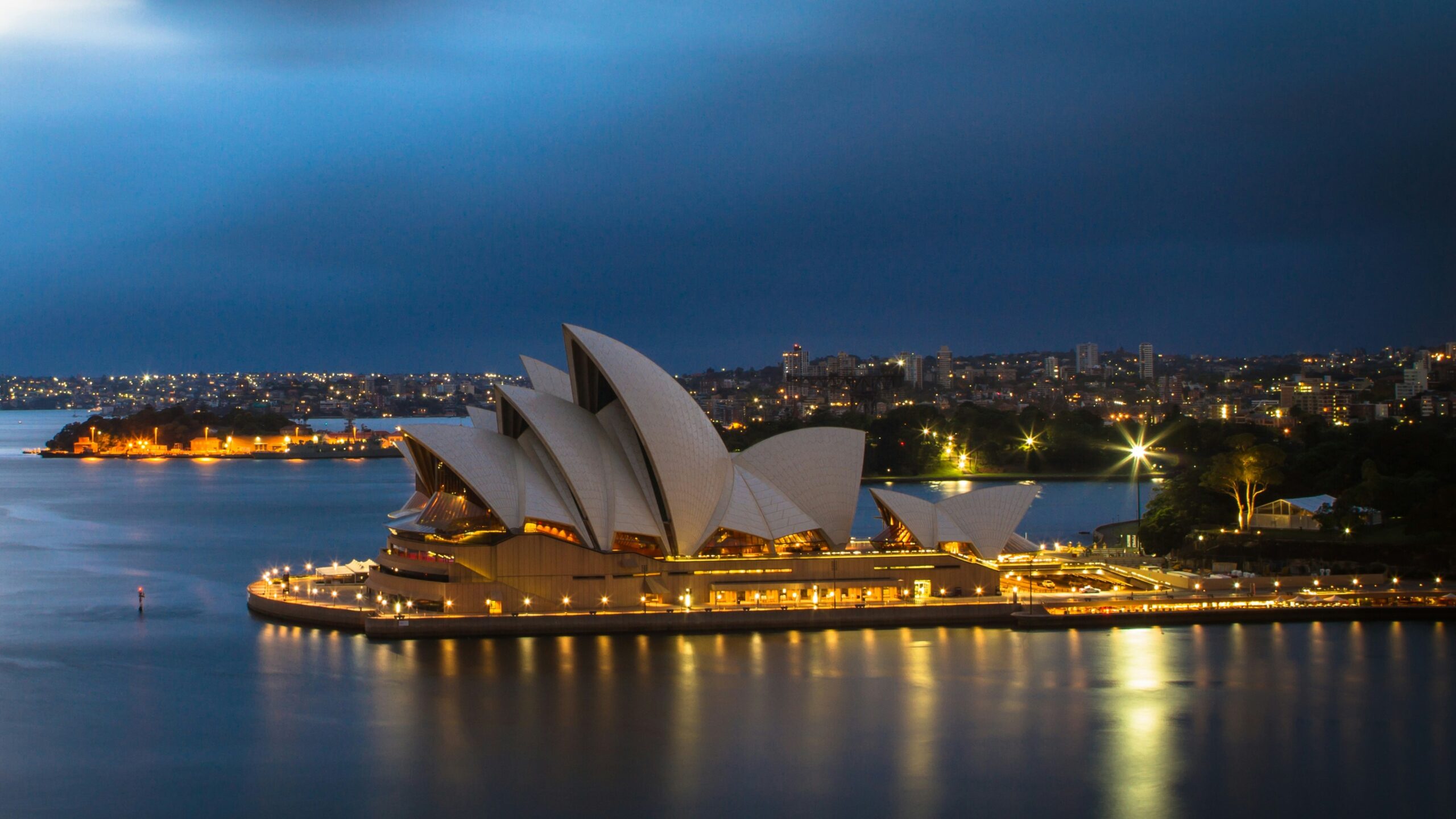
On 10th December, Australia’s new ban on social media for under 16s will officially come into effect. Aimed at “reducing pressures and risks” associated with social platforms, the ban will include popular sites such as Facebook and TikTok.
I have spent my entire career with one foot in the social media marketing world and, spending my teen years in the 2010s, have first-hand experience of growing up with and without the constant tug of social media in the back of my mind. I was 13 when I first downloaded Instagram and Snapchat, and I faced the consequences of using such apps and being ‘always on’ at a young age. In today’s world, 13 is arguably late; a 2023 Wales survey found children as young as seven are now using social media regularly.
While my childhood was mostly tech-free, my teen years were filled with screens, likes, followers, and comparisons. Cyberbullying was rife at my school, with the now-defunct anonymous platform AskFM a major catalyst, but it has sadly only worsened in the past decade. In 2022, Ofcom revealed that 39% of children have experienced bullying, and 84% of those experienced it via a device rather than face-to-face.
Now in my mid-to-late 20s, I can look back on my developmental years and see just how much I was affected by my social media use. My peers and I have recognised the negative side effects of using online platforms for so many years, such as high screen time, technology addiction, and diminishing attention spans. YoungMinds has found a third of 16- to 24-year-olds “feel trapped” by social media, but there are also the less obvious effects like socialising less in person because we’ve already caught up with everyone’s lives online. We have seen that many are turning away from social media usage altogether or are actively seeking out tech-free hobbies. There is even the new trend, “rawdogging boredom”, to reset attention spans and reduce screen time.
Younger millennials or older members of Gen Z are in the unique position where we grew up with and without social media. Those that follow will only know the former, and it’s important we learn from experience what is right for our young people rather than assuming we already know. Australia’s new ban recognises the strengths social media has, but also that it should not become the centre of humanity’s existence (particularly at such a young, impressionable age).
So far, it has been confirmed that the new legislation will ban under-16s from accessing Facebook, Instagram, Reddit, Snapchat, X, YouTube, and TikTok. Parental consent is not a loophole; this is a blanket ban for all. It may feel dramatic, but this ban is a step in the right direction for both young people and society as a whole. In the long run, it will mean we don’t have generations who are completely dependent on social media access and instead choose to prioritise in-person connections. As adults, social media can then complement these connections rather than replace them.
However, the legislation doesn’t come without risks. There is currently no clarity on how the ban will be policed, so whether VPNs will be a potential workaround is yet to be discovered. The same applies to whether there will be adequate online safety training for youngsters—if a child is born in 2025 and the ban remains in place as they grow up, will they receive suitable training before being given access to the world of social media when they turn 16 in 2041? While other countries, such as Denmark, have toyed with the idea of limiting young people’s access to social platforms, Australia is the first to implement this so it’s likely there will be hiccups and learning curves along the way.
Naturally, the ban will also have repercussions for the social media platforms involved. While you can’t legally advertise to under-18s via Meta (owners of Instagram and WhatsApp) in the UK, other platforms like TikTok will make a portion of their advertising revenue from young people. In the longer term, if a child has enjoyed a life free from social media and doesn’t feel the pressure to join once they legally can—because their peers also aren’t interested in joining—there will likely be dents in the enormous profits of these apps. But given that TikTok made $23 billion in revenue last year, it is unlikely to begin penny pinching anytime soon.
This ban may feel like a big step at first, but it is for the greater good. Our minds are so impressionable in our formative years; allowing young people the space to learn from the world and who they are through experiences rather than screens can only be beneficial. It will hopefully result in better in-person connections among young people and enhanced wellbeing, as well as a significant reduction in cyberbullying and online addiction. Perhaps it will even have wider effects on people older than 16, or who aren’t even Australian, who realise social media is not the be-all and end-all. While it’s very much part of the world now, and there’s no reversing that, there is cause to be optimistic that this ban will help people recognise the importance of living with social media rather than living for it.
Words by Sophie Coombs
Support The Indiependent
We’re trying to raise £200 a month to help cover our operational costs. This includes our ‘Writer of the Month’ awards, where we recognise the amazing work produced by our contributor team. If you’ve enjoyed reading our site, we’d really appreciate it if you could donate to The Indiependent. Whether you can give £1 or £10, you’d be making a huge difference to our small team.