
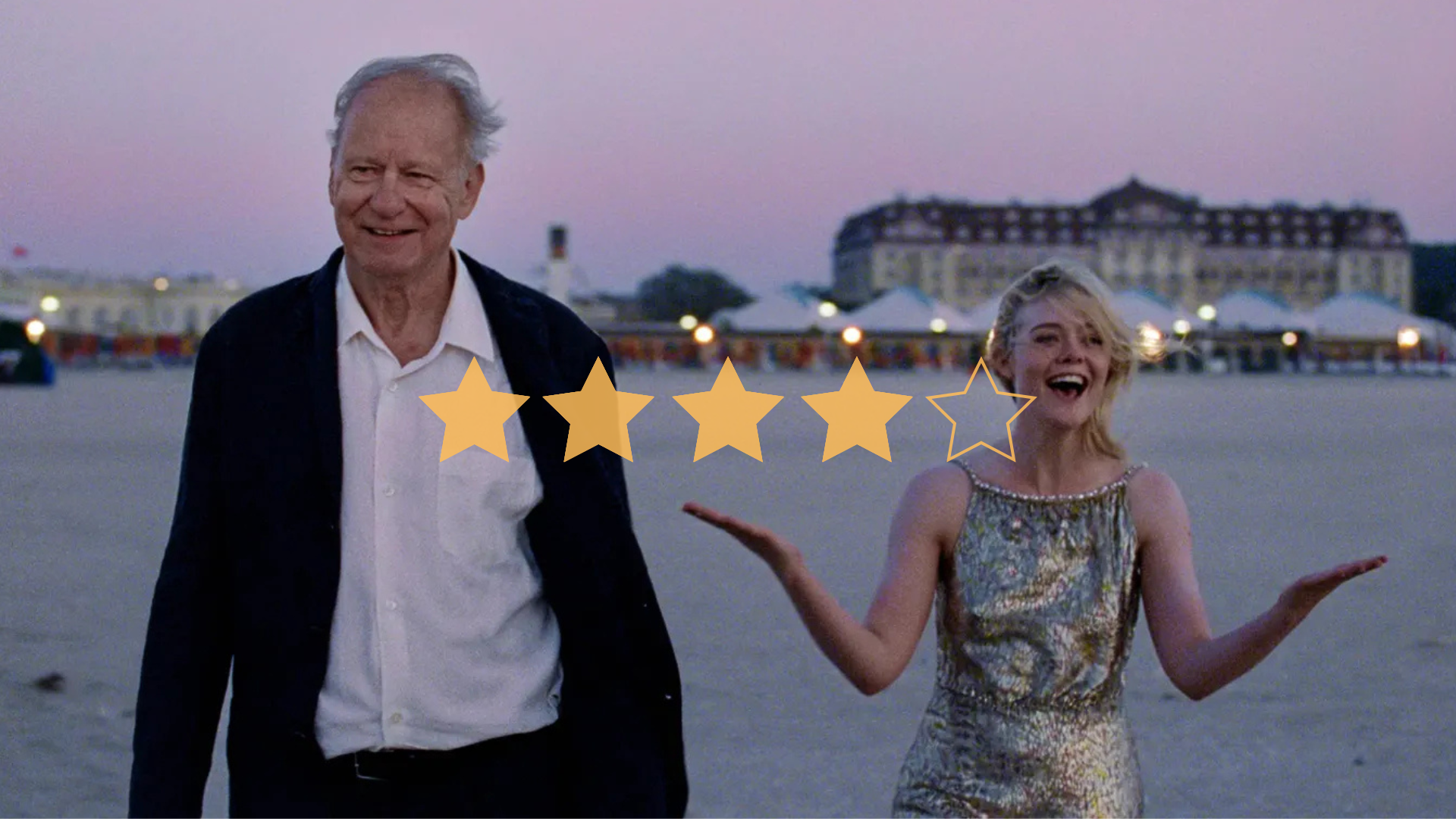
Joachim Trier returns with a quietly ambitious study of creativity, memory and reconciliation, revisiting the emotional terrain of the Oslo Trilogy through the story of a fractured family bound by an emotionally haunted home.
★★★★☆
It has been four years since Danish-Norwegian filmmaker Joachim Trier’s The Worst Person in the World premiered at Cannes. Whether one admired his previous work or not, his return marks one of the year’s most anticipated cinematic events. Fuelled by Charli XCX’s iconic Coachella declaration of a “JOACHIM TRIER SUMMER,” Sentimental Value became one of the most sought-after screenings at this year’s BFI London Film Festival, even as autumn settled over the city.
As its title suggests, Sentimental Value revolves around the emotional resonance of a house that occupies the film’s opening shots. The house belongs to Gustav Borg (Stellan Skarsgård), a once-celebrated but now-forgotten film director who has been living abroad. His ex-wife, Sissel, resided in the house until her death, an event that brings their daughters, Nora (Renate Reinsve) and Agnes (Inga Ibsdotter Lilleaas), back into contact with the father who abandoned them in childhood, choosing his career over parenthood. Nora has become a successful theatre actor, while Agnes has built a quiet family life with her husband and son. When Gustav attempts to return to directing, he offers Nora a role in his new project, a biopic about his mother, who took her own life in that same house after enduring torture during the war. Nora refuses the offer, and the part is later taken by an American star, Rachel Kemp (Elle Fanning), after she encounters one of Gustav’s wartime films at his retrospective. Meanwhile, Agnes begins to uncover the family’s hidden histories during the war.
Rooted in the tradition of metacinema, Sentimental Value belongs to a lineage of films about filmmaking itself, evoking works such as Singin’ in the Rain (1952), 8½ (1963) and Contempt (1963). Known for his intricate yet elegant and imaginative mise en scène, Trier explores the frame within the frame to remarkable effect. One of the film’s most arresting sequences occurs when Gustav watches his own film about Jewish children escaping persecution, a scene that introduces him to Rachel. Trier constructs this moment across multiple visual frames, each playing with the idea of point of view. The layering is so assured that Rachel’s attraction to Gustav’s work, and by extension to Gustav himself, requires no explanation.
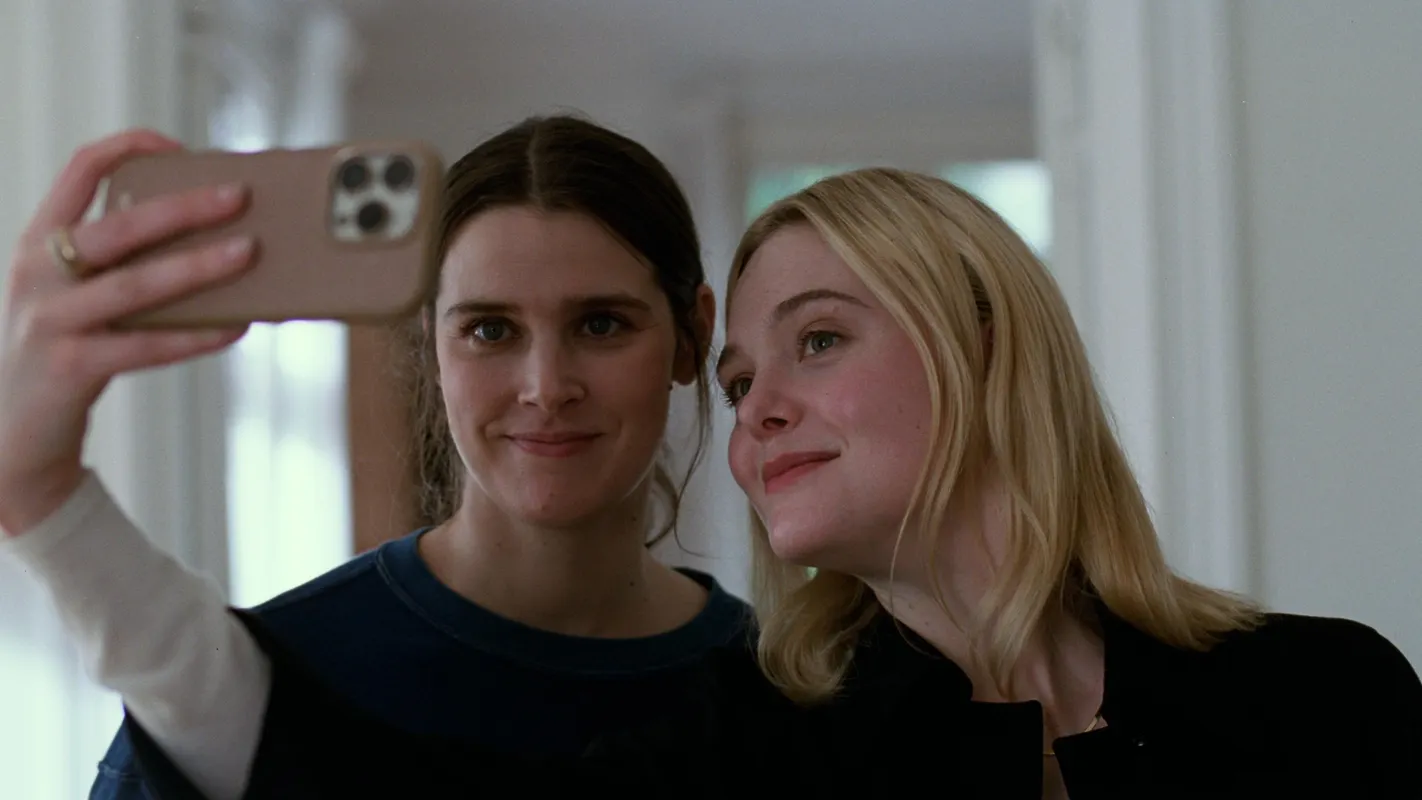
Yet the self-reflexive gesture serves more than aesthetic pleasure. Trier returns here to the enduring questions that shaped the Oslo Trilogy: the unnamable sadness and emptiness that accompanies modern selfhood and the fragile role of creativity in navigating that emptiness. This time, the inquiry turns inward. Rather than writing or comic art, filmmaking itself becomes the medium of reflection. The result feels more intimate, as if Trier were re-examining his own practice. While Reprise (2006) and Oslo, August 31st (2011) confronted creative paralysis with existential despair, The Worst Person in the World (2021) introduced a note of hesitant optimism, Sentimental Value finds reconciliation. Storytelling, here, becomes not an act of escape but one of repair.
Critics may question whether Trier has overcomplicated his narrative to satisfy festival tastes, or whether the recurring references to Nazism lend historical gravity to what is essentially a story of estranged kinship. Yet if one meets the film on its own terms, these seemingly stray plotlines create a kind of rabbit hole experience, evoking a sense of uncertainty and an agnostic mood that sits at the heart of the film.
The film’s digressive threads form a rich, almost spectral architecture, where the ghosts that haunt the family home, both literal and emotional, become manifestations of memory, art and guilt. Gustav, who carries generational trauma, has long been absent from the space, yet his absence continues to resonate within it. The emptiness that shadows Nora requires no psychological explanation, nor does her need to be slapped before each performance to calm down. That is not the role of cinema. Cinema exists to preserve mystery and the unknowable, not to dissect emotion through logic or analysis.
Reinsve, even with limited screen time, gives a performance of extraordinary nuance. She conveys interiority through restraint, transforming silence into substance. Without resorting to sentimentality, she renders Nora’s melancholy with precision and weight. Few actors working today can translate emotional vacancy into such palpable presence. Reinsve confirms herself as one of the most remarkable performers of her generation, and Trier, once again, proves to be one of the rare filmmakers capable of turning introspection into cinema that feels both personal and universal.
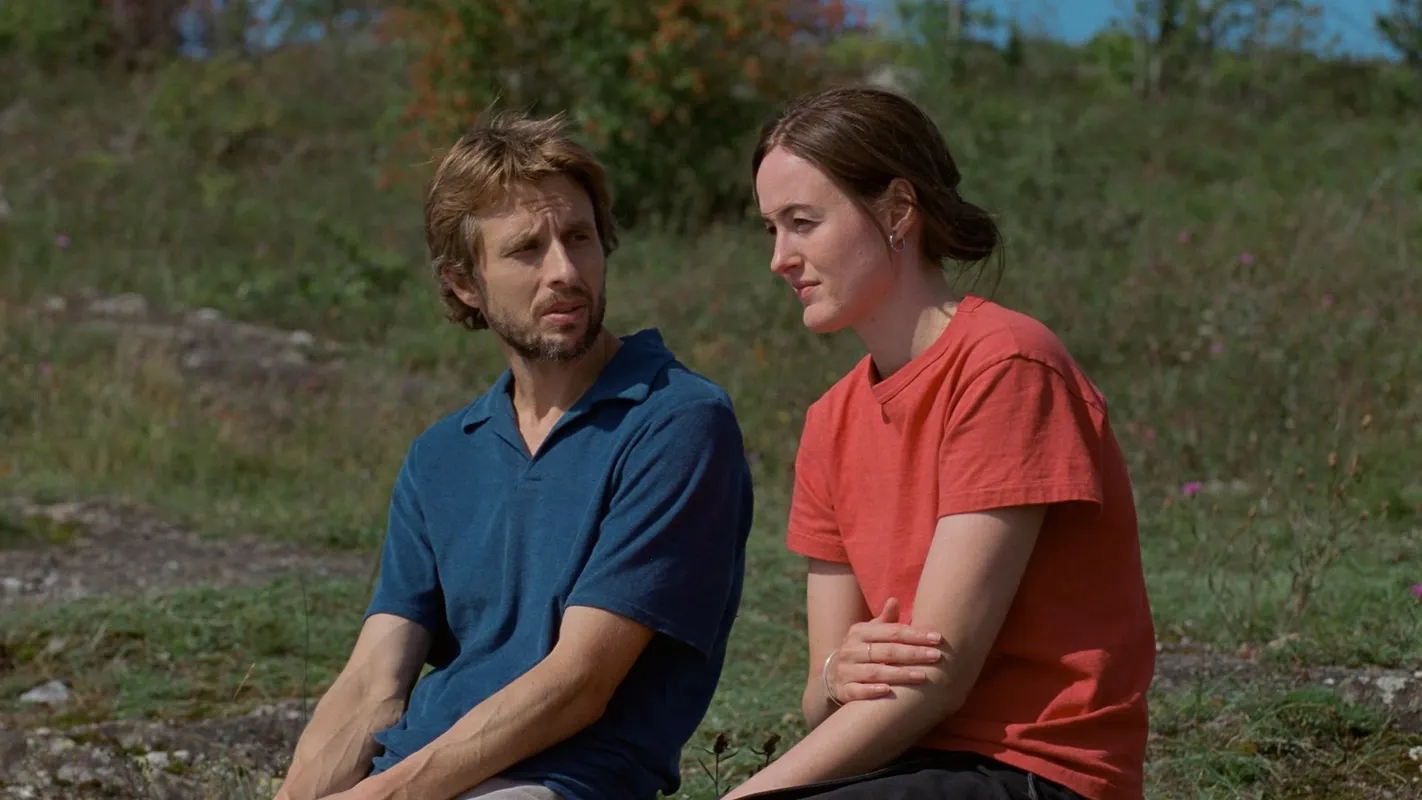
With Sentimental Value, Trier builds on the introspective themes of his earlier films to create a mature reflection on creativity and inheritance. The film feels both like a continuation and a conclusion, bringing the emotional honesty of the Oslo Trilogy into closer contact with the art of filmmaking itself. By exploring how art, memory and family overlap, Trier joins a small group of contemporary European directors, including Mia Hansen-Løve and Christian Petzold, who still see cinema as a space for inner reflection rather than spectacle. The result is a quiet and tender film that turns self-reflection into storytelling, proving Trier to be an artist still searching for the delicate truths that connect life and art.
The Verdict
With quiet elegance and piercing honesty, Trier turns the act of creation into an act of healing. Sentimental Value lingers as a meditation on art, memory and what it means to return home.
Words by Matin Cheung
Sentimental Value is in UK and Ireland cinemas from 26 December
Support the Indiependent
We’re trying to raise £200 a month to help cover our operational costs. This includes our ‘Writer of the Month’ awards, where we recognise the amazing work produced by our contributor team. If you’ve enjoyed reading our site, we’d really appreciate it if you could donate to The Indiependent. Whether you can give £1 or £10, you’d be making a huge difference to our small team.