
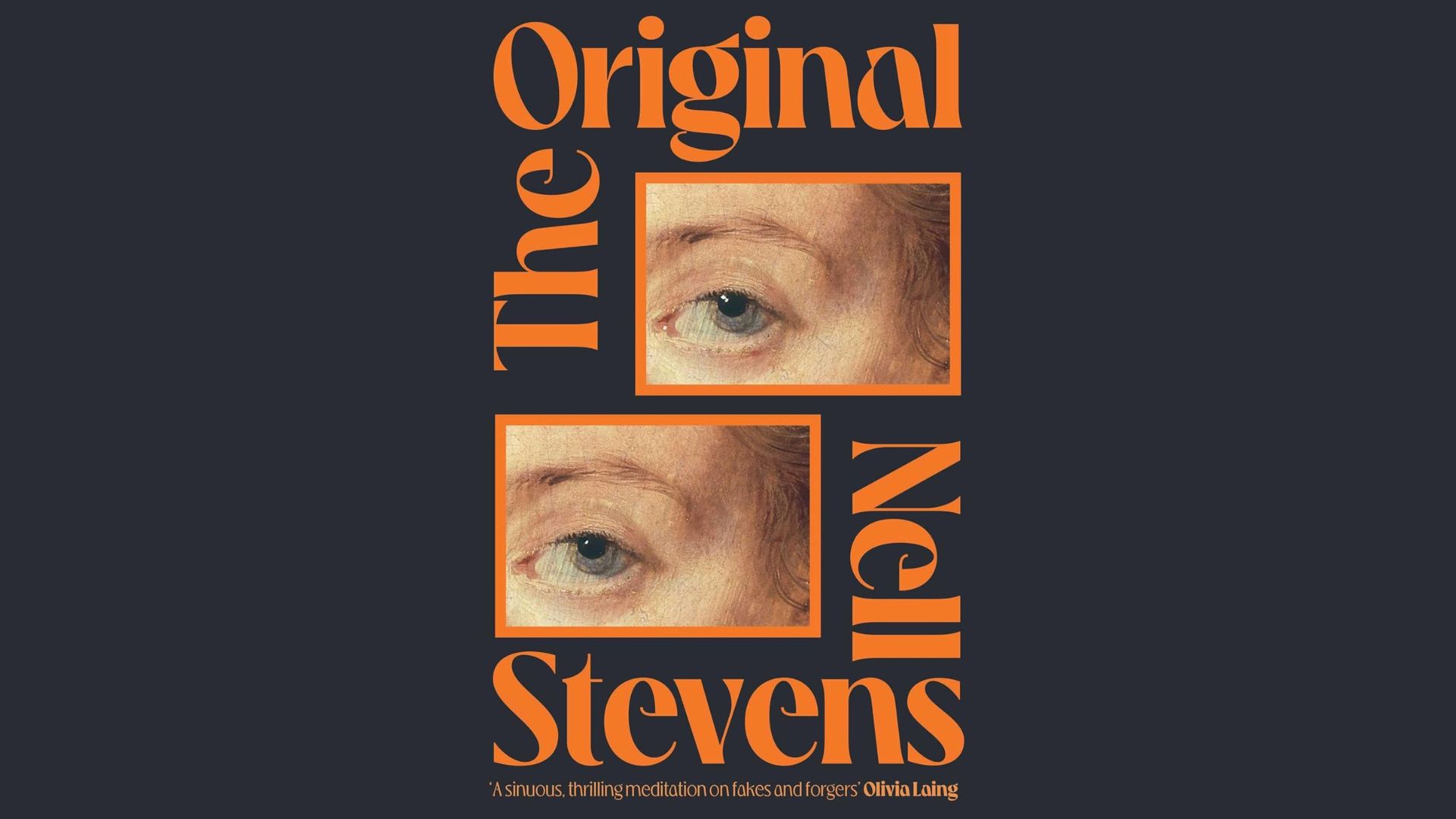
The Original is written by Nell Stevens, an author of fiction and memoir now on her fifth book. It centres around a lonely young woman called Grace, who lives with her emotionally-distant aunt and uncle on their crumbling estate while secretly producing perfect forgeries of famous paintings. While Grace cannot paint from life—she is faceblind, and the appearance even of her loved ones eludes her—she can copy other pictures, and as a result has learned well how to differentiate between the authentic original and an impostor.
This skill may be useful when a man claiming to be her presumed-lost cousin returns to the family seat to claim his fortune. Charles was always kind to her in her youth, compassionate where the rest of her relatives were not, but now Grace struggles to reconcile the somewhat wild cousin she knew with the man who has returned from his long journey at sea.
One of the story’s greatest strengths is its protagonist. There are plenty of historical novels out there featuring a lonely female protagonist ostracised from her social circle for being ‘different’, but very often this difference is not particularly apparent, as if she must really still be like everybody else in order for the reader to care for her. Grace, though, is indeed a markedly different sort from the rest of her family, with parents the family does not like to discuss and a tendency to fumble social situations when she does not recognise an important family friend or member of the household. Stevens takes a risk in distinguishing Grace as a character, giving her qualities such as her faceblindness that may be unfamiliar to the reader and trusting that we will relate to her anyway through her struggle to make her own way in the world and carve out some independence.
Stevens also understands the importance of the visual within this work. The novel’s imagery is ever-striking. “There was a painting my family set on fire,” it begins. “It burned to ashes, and then it came back.” Stevens proceeds to describe this painting—a striking scene featuring Grace’s long-ago ancestor—so vividly that it will remain in the reader’s head throughout the novel. Every piece of art tells its own story within the main story, with paintings kept at the heart of the book, interwoven with the other plots rather than falling to the wayside as tensions mount.
The level of intrigue built up by the opening sentence is maintained throughout the rest of the book—no character is especially transparent, particularly not this new cousin Charles, the greatest mystery of all. Trying to figure him out, and watch Grace do the same, is a neverending task, and once more one that the reader is trusted with. So much is not concrete or absolute, and this novel revels in the glory of mystery.
Words by Casey Langton
Want more Books content from The Indiependent? Click here
Support The Indiependent
We’re trying to raise £200 a month to help cover our operational costs. This includes our ‘Writer of the Month’ awards, where we recognise the amazing work produced by our contributor team. If you’ve enjoyed reading our site, we’d really appreciate it if you could donate to The Indiependent. Whether you can give £1 or £10, you’d be making a huge difference to our small team.