
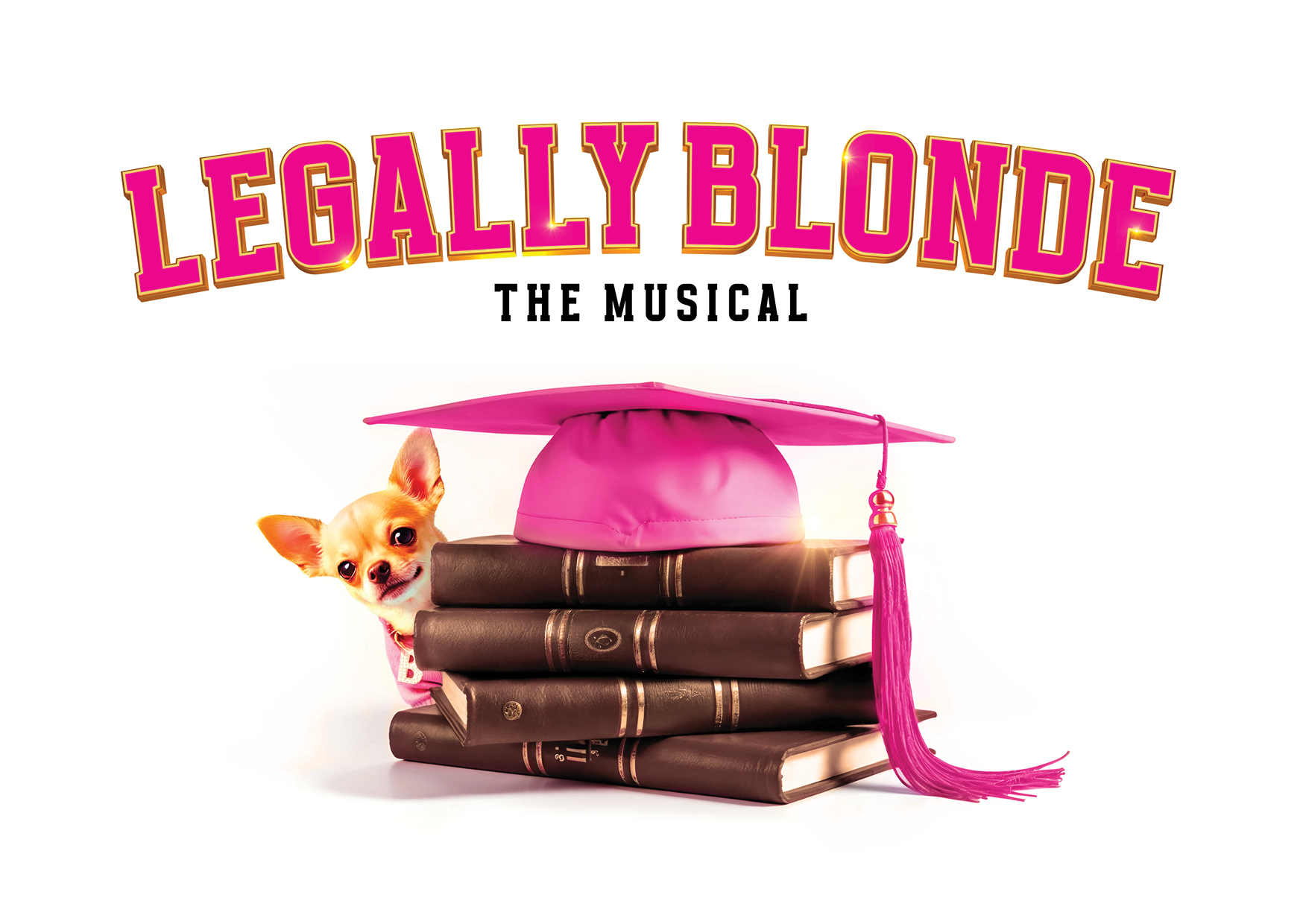
Adapted from the 2001 film of the same name, Legally Blonde the Musical first came to the stage in 2007 when it debuted at San Francisco’s Golden Gate Theatre before transferring to the Palace Theatre on Broadway a month later. Since then, the musical has had a short run on the West End and has had numerous tours around the UK. The last known performance was at The Regents Open Air Theatre in 2022, and the show is now about to embark on another UK tour in 2026.
Legally Blonde the Musical has been running on and off for the last 18 years but what makes this musical so popular? Is the success of the musical just due to the popularity of the film? In recent years we have seen a huge spike in musical adaptations of previously beloved movies, particularly from the 80’s to the modern-day including Heathers, Mean Girls, Back to the Future and most recently Clueless. But with these adaptations, they are bound to sometimes deviate from the source material which can leave audiences debating whether it’s a valuable addition to the film’s universe or whether it dilutes the original story’s intent.
For this article, we will focus on the Legally Blonde Musical and point out five of the main differences between the 2007 musical adaptation and the 2001 cult-classic film.
Songs and Music
First of all, the most striking difference for any film to musical adaptation is the addition of the musical numbers. It can be a fine line to draw which songs are necessary and which songs fell like they drag the show out. Numbers such as So Much Better and Bend and Snap build on smaller parts of the film and turn them into a spectacle, suitable for a large-scale production. Other songs have been criticised by audiences, Ireland being the most common for its melancholic and ballad-like tone which juxtaposes the upbeat nature of the rest of the production. For the most part, the songs within the musical do add to the narrative of the story and give a wider opportunity for character development within the confines of the show.
Elle’s Motivation
In the film version Elle’s motivations for going to Harvard are heavily rooted in her desire to go after Warner and win him back. The film takes the somewhat surface level approach to motivation making it an open and shut case whereas the musical digs a little deeper. Elle’s motivation is most clearly demonstrated in the song What You Want. The song does focus on Warner but there is also a sub plot of Elle trying to prove herself to her parents which forces her to internalise her own self-motivation which bleeds into the rest of the musical. It leans more openly into themes of female empowerment, self-respect, and breaking stereotypes and emphasises Elle helping others, learning that her instincts and compassion are strengths.
Elle and Emmett’s relationship
In the film version Elle and Emmett’s relationship develops gradually and more subtly as a sub-plot whereas in the musical their relationship development is more greatly explored and their eventual romance is clearer. This perhaps is due to the musical taking the feminist and self-improvement angle so Elle is not burdened as much by a desire to get back together with Warner leaving to develop a stronger relationship with Emmett.
New Characters
The Legally Blonde musical expands on the film by introducing new characters and greatly enhancing supporting roles. Elle’s Delta Nu sorority sisters become a recurring “Greek Chorus,” offering sass, commentary, and insight into her thoughts. Characters like Emmett, Kyle the UPS guy, and feminist student Enid Hoopes are given more stage time and personality, while new characters like Kate (Elle’s LSAT tutor) and a briefly mentioned Kyle’s mother add depth and humour. These changes create a more vibrant, ensemble-driven experience than the film’s more focused narrative.
Different Endings
Finally, the film and the musical both end a little differently. In the film version the final courtroom scene is more straight forward and has a classic comedic payoff. It ends with Elle’s graduation and the audience are left to speculate the future of Elle’s and Emmett’s relationship. In the musical the courtroom scene includes the song Gay or European making it an ensemble number and the musical ends with Elle proposing to Emmett further solidifying the feminist and self-empowerment agenda.
Ultimately, Legally Blonde the Musical proves that a stage adaptation can do more than simply replicate a beloved film: it can expand upon it. By reimagining character arcs, introducing fresh perspectives, and infusing the story with music and movement, the musical offers a heightened version of Elle Woods’ journey that resonates with new and returning audiences alike. Its enduring popularity lies not just in the nostalgia for the 2001 film, but in how it redefines Elle’s story for the stage: louder, bolder, and more empowering. As it prepares for another UK tour in 2026, the musical continues to champion self-discovery, resilience, and the power of pink with undiminished energy.
Words by Gemma McDonald
Support The Indiependent
We’re trying to raise £200 a month to help cover our operational costs. This includes our ‘Writer of the Month’ awards, where we recognise the amazing work produced by our contributor team. If you’ve enjoyed reading our site, we’d really appreciate it if you could donate to The Indiependent. Whether you can give £1 or £10, you’d be making a huge difference to our small team.