
Super Nature marks Ed Sayers’ feature debut, a breathtaking, globe-spanning mosaic of intimate encounters with natural landscapes. Crafted with the help of collaborators from across the world, the film unfolds as a lush and deeply personal ode to nature.
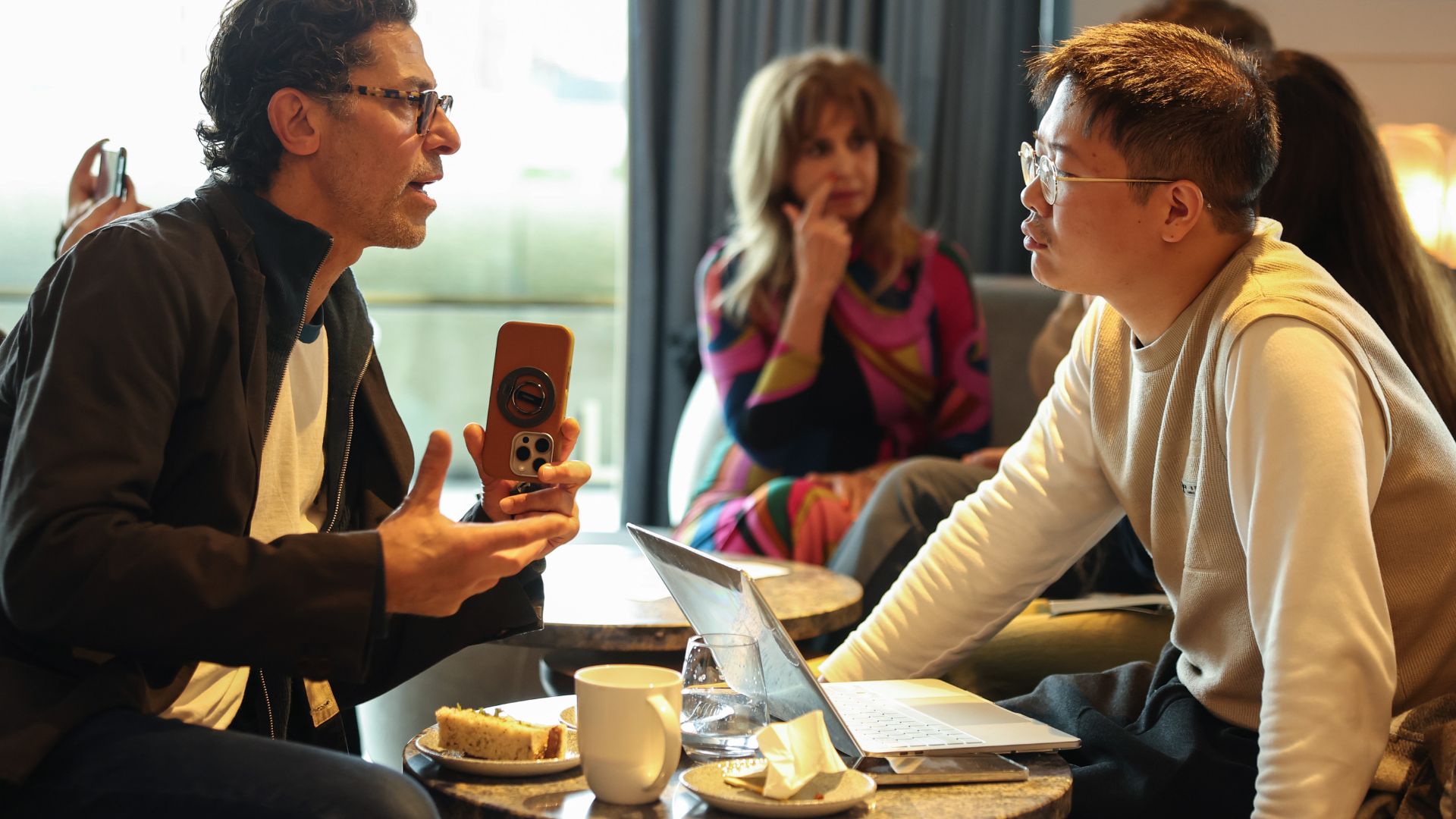
During the 68th BFI London Film Festival, The Indiependent met Sayers at the stylish and cosy Sea Containers Hotel to talk about his ambitious project, which celebrated its world premiere at the festival as part of the Documentary Competition.
Sayers recalled how this unconventional documentary first took shape. “It starts with curiosity. I had a hunch that there was something special about seeing nature recorded on Super 8 and presented back in the biggest screens and that hunch grew into a massive project that took five years. So that’s probably how every documentary is made I imagine.”
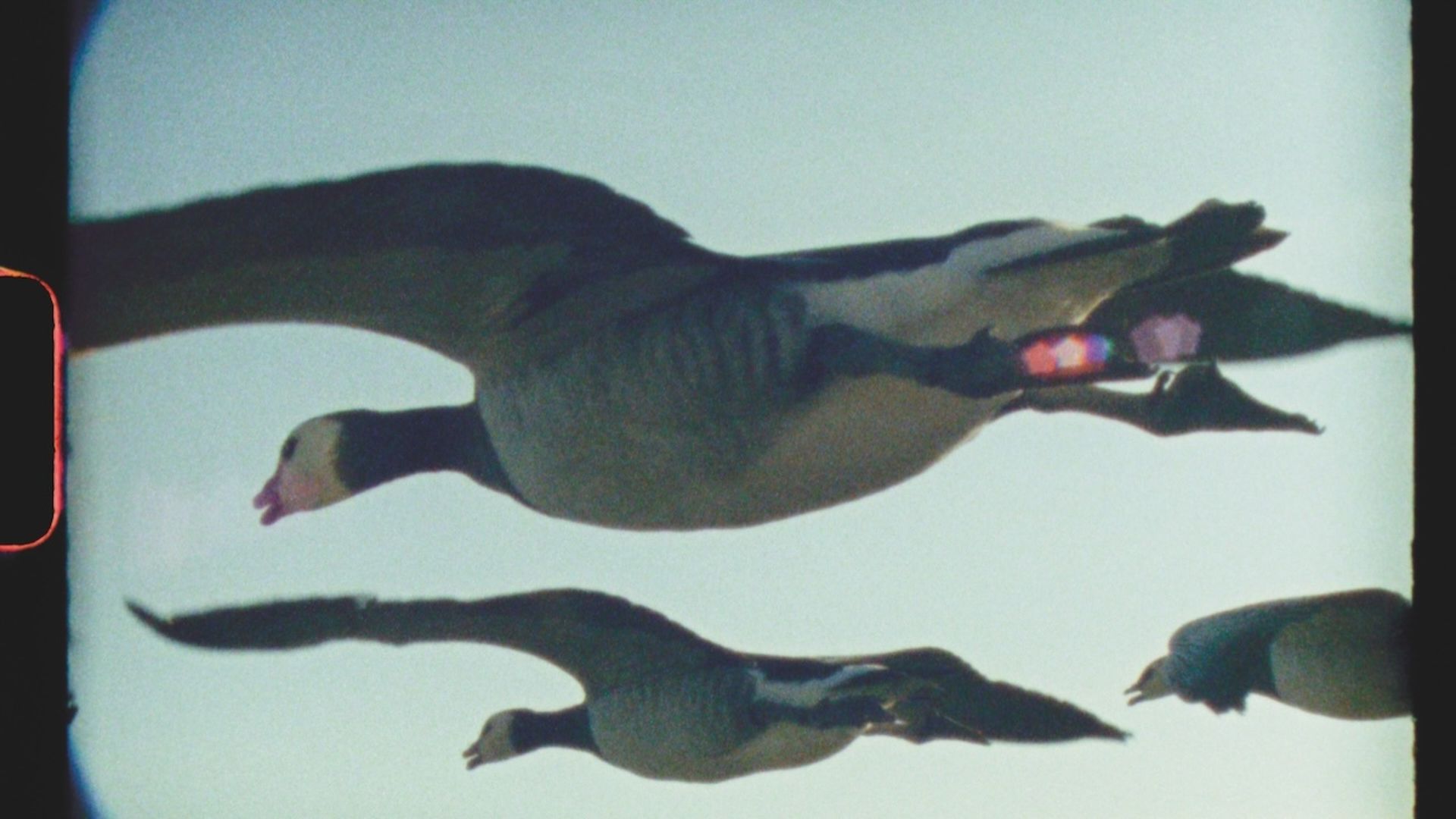
One of the most striking aspects of Super Nature is that every image, gathered from filmmakers around the globe, was shot on Super 8 film. In addition to being a director, Sayers is also the founder of the renowned filmmaking challenge Straight 8, so his affinity with the format runs deep. Reflecting on its resonance, he explained: “Super 8 was the home movie format that everybody knew when they were growing up when you are my age. But I know that if I showed a kid younger than you some Super 8, they would immediately kind of know what it is. They would know it was like a home movie thing even though it’s not from their own childhood, their own nostalgia.”
For Sayers, the emotional immediacy of the format transcends nostalgia. “What that means is, it straight away unlocks certain emotions just through the makeup of its image. It’s more impressionistic than a clear cut high definition image. So the images are talking to your brain in a more unconscious way. Just the way impressionism works.”
Editing, for Sayers, became the heart of the process, a place where the film’s disparate footage found coherence. The documentary combines footage from forty filmmakers, many connected through the Straight 8 community, alongside conservationists, biologists, and activists. Shot across twenty-five countries, these two-to-three-minute vignettes were woven together into a single narrative tapestry. He described the challenge with characteristic candour: “This film was made up of the work of about 40 different filmmakers. And it was really important that it didn’t feel like a collection of short films. It was the hardest part of the entire process. It was a very unusual way to make a film. We had to create new systems for production, and everything. But the most challenging thing was that: how do you make it into one film? I wanted people to be able to walk into a cinema and feel like they were watching a story of the world.”
The editing itself also became a communal act. “I used a lot of really amazing friends working in the industry and also not in the industry to watch edits. Many, many watches. I’d set up a projector in my kitchen, invite people around for dinner and then screen it. We’d have a discussion. The edit process took a long time. And I tried to feel my way with it. My producers were amazing with notes and we also engaged with a story consultant, Ed Watts, who was fantastic and really helped enormously, interrogating my journey within the making of this film, which forms the narrative spine of the film.”
The editing process, he added, was one of reinvention and intuition. “I did actually cut it one way and then I changed it completely and cut it another way and that’s the way I prefer.” For Sayers, editing mirrors sculpture. “Editing is a process you just have to feel your way. And I imagine it’s what it’s like to be a sculptor. You might have all these materials and you’ve got a studio and in the end the public’s only going to see the sculpture, but somewhere is going to be all the stuff that didn’t quite make it. That decision of what’s in and what’s out is yours. Sometimes your brain hurts from trying to make the decisions and you have to listen to your heart. Sometimes, to hear your heart, you have to talk to friends and you have to see what they have to say. And then somehow you wake up three nights later after a discussion round the kitchen table and one thing’s pinging in your ears and then you go to the edit desk again and you start moving things around, trying something out again.”
When it came to balancing individual contributions and maintaining cohesion, Sayers described a delicate creative ecosystem where stories support each other. “So our scenes are sometimes one minute, sometimes four minutes. There were no rules. Sometimes people say quite a lot in a couple of phrases. Generally I wanted to leave space for the audience to think, so we tried to boil down and boil down the voiceovers of each of the contributors and my own within the film. And some of the scenes, they don’t actually say anything and the images say everything. So that’s what I mean about stitching it into one big story being really tricky because what it then means is that, again, to use the sculpture analogy, it’s like a house of cards and each story holds up all the other stories. I don’t even know how one would visualise that as an analogy, but they literally support each other. It’s like a bridge in the air where it’s sort of, you take out one piece and the whole thing falls down. And that meant that sometimes a story could have no words because what happened before it and what happens after it ties it together and keeps the narrative arc going.”
His greatest takeaway from the entire process, he said, is a lesson in patience and trust: “Trust the process and know that just when it’s feeling really hard, you might be on the verge of a discovery where it suddenly feels like it’s fitting. And the best thing you can do is get your conscious brain out of the way of some of the decisions.”
When to finish the final cut of a film of this scale, he admitted, is often a test of instinct. “Eventually time runs out, budget runs out, something else runs out, maybe there’s a deadline coming and you’re getting closer all the time. But, sometimes you’ve got to let those deadlines go and you’ve got to say, OK, we wanted to have it ready for then, but it’s not ready. You’ve got to listen to other people who’ve made more films than you, show it to them. And the funny thing is they usually don’t tell you your answers, they say to you, how are you really feeling about it? And when certain people ask you that question, you don’t even need to answer and you suddenly know whether you’re ready or not to let go. And you’ve got to listen to that. And maybe you’ve got to move all the goalposts and you’ve got to carry on. But at some point, somewhere in your heart or in the world or in the time or in the budget, something tells you it’s time to stop.”
Before leaving, Sayers offered words of encouragement for aspiring filmmakers, especially those hoping to carve their path in an increasingly crowded field. “I would say that what I really feel more than anything is that the film industry is an amazing industry. It’s really hard. Doors don’t always open. But it’s an industry where you can peddle dreams, whether they’re fiction or nonfiction. You can have an idea and you can talk to people. And if you get fuel on your fire from those conversations, you maybe will take it to the next level, maybe take it to the next step. Gradually the circus grows. Before you know it, you’re at the helm of something that is actually controlling you. And then you’re really making something. It’s when you feel like this truck is rolling and I’m just actually holding on to it as well as steering it—that’s when it gets interesting. But you’ve got to dream and you’ve got to have faith. If you believe in something, talk to people about it and see if that belief is shared. If they don’t share it and you still believe it, talk to other people until you find someone else who’s the right person.”
As our chat came to an end, Sayers’ warmth and honesty stayed. He speaks with honest feelings about trust, teamwork, community and his love for Super 8. Super Nature, as a beautiful debut, not only celebrates the beauty of the natural world but also reminds us that filmmaking, at its best, is an act of community.
Words by Matin Cheung
Support the Indiependent
We’re trying to raise £200 a month to help cover our operational costs. This includes our ‘Writer of the Month’ awards, where we recognise the amazing work produced by our contributor team. If you’ve enjoyed reading our site, we’d really appreciate it if you could donate to The Indiependent. Whether you can give £1 or £10, you’d be making a huge difference to our small team.