
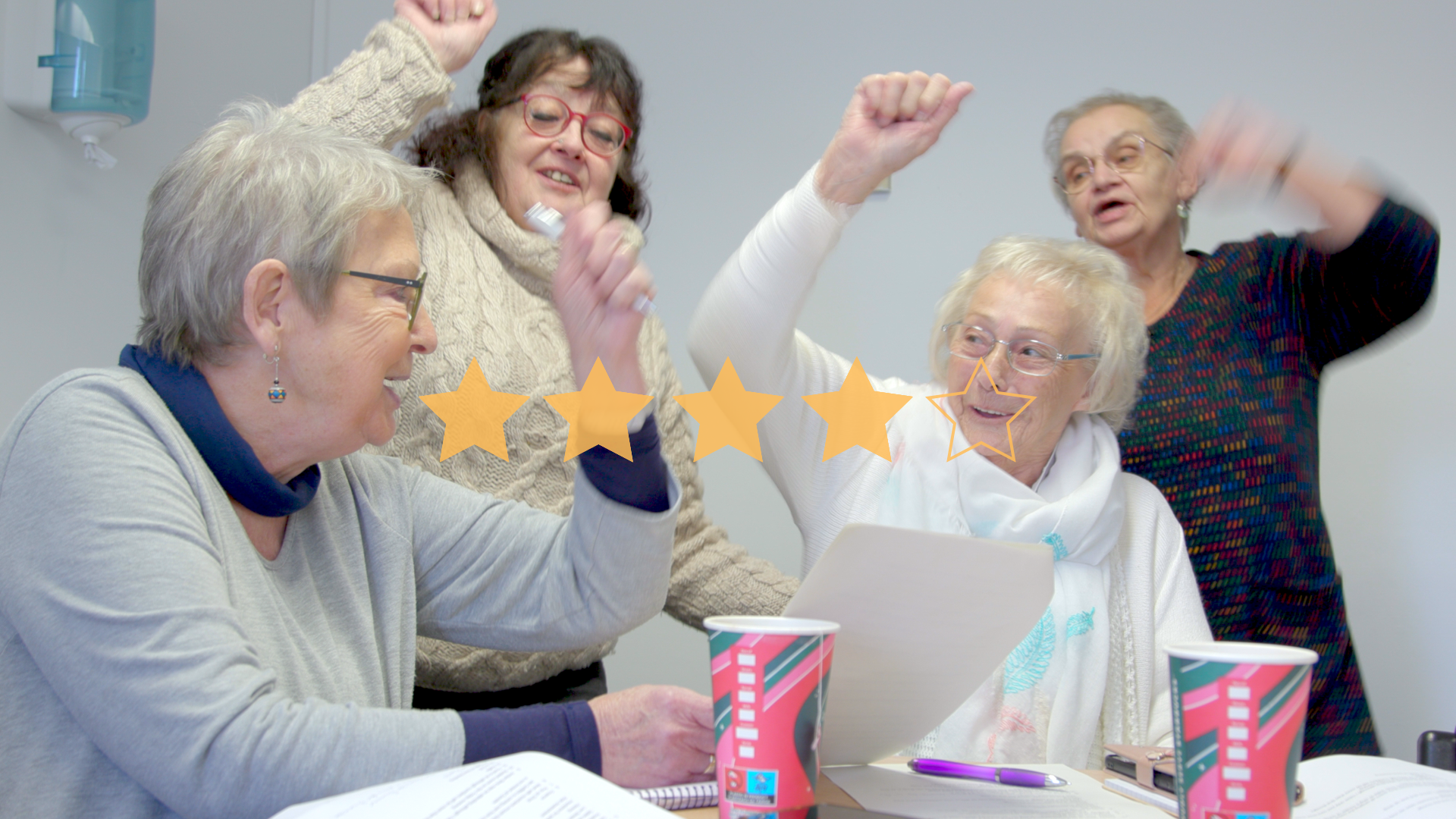
Iron Ladies, directed by Daniel Dreaper, follows the lives of women at the front of picket lines during the miners’ strikes of 1984 and 1985.
★★★★☆
A thought-provoking documentary that investigates the miners’ strike of 1985, Iron Ladies aims to shift the narrative that the miners’ strike was a loss to an acknowledgement of the great tenacity shown by the UK’s mining community and the international coalitions that supported them. The documentary focuses on the role of women throughout the strikes and how, because of their work, the strikes were sustained for the duration of a year.
The miners’ strike from 1984 to 1985 took place due to proposed pit closures set by the government. Under Marget Thatcher’s conservative government, there were plans to close 20 pits, which would result in widespread unemployment and poverty within the mining community. The conclusion of the strikes ultimately led the way for further privatisation of essential industries such as utilities, energy, and water.
At its strongest, the documentary confronts the political ramifications of the strike head-on. It doesn’t shy away from the harsh realities of working-class families or the sacrifices they made to participate in the strike. This aids the film’s narrative and explains how women became so involved in the miners’ strike. Tracking communities from South Yorkshire to Kent, the film highlights how the issues of miners weren’t just regional but national. Bringing together interviews of women living in various parts of the UK makes the documentary’s message highly effective, painting a full picture of the impact of community action. It also shows, geographically, which regions were supported and which were more isolated throughout the duration of the strike.
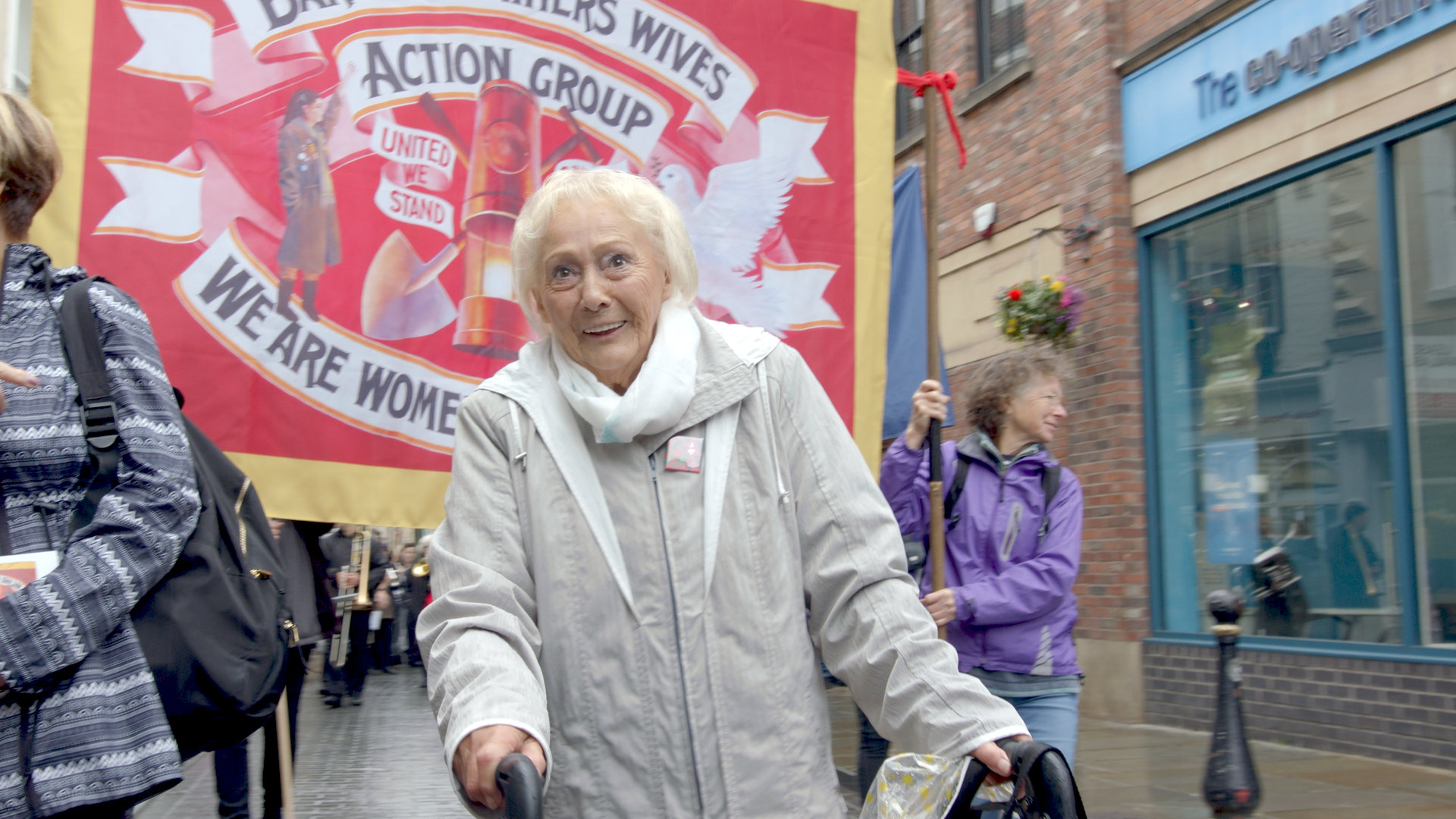
The visual language of the documentary is particularly evocative. Portraiture of the abandoned mines holds an emotive quality, looking as if they have been trapped in time. The stand-alone interviews are particularly resonant as we see strikers now older but still very much held by the spirit that caused them to strike in the first place. The film centres the voices and stories of these women, allowing them to share their perspectives on miners’ history without being overshadowed by the words of politicians, large publications and public broadcasters. The audience gets to know key players behind the strike, such as Aggie Currie, Betty Cook, and Maxine Penkethman.
What particularly resonates is the police brutality that was endured by protestors. There remains a feeling of utter disbelief at the Battle of Oregraves (violence that occurred in Oregraves in South Yorkshire as miners were picketing), which the documentary states was fraught by unnecessarily cruel violence from the police.
The film also shines a light on the intrapersonal conflicts that arose for women as their work as picketers came into conflict with home life and the obligations that were expected of them as mothers and wives. Touching on the way picketing impacted the home lives of these women gives the documentary the necessary depth to showcase how politics impacts private lives. What tethered this film together was the theme of community and collective organising. Not being steamrolled by the powers that be, but being moved to action.

The main drawback of the documentary is its lack of a link to the present day. More inclusion of the way younger generations think about the legacy of the miners’ strike, how they interact and think about its impact, could create a more inspiring piece for new generations to spark change in their own communities. Centring the movement’s women is paramount to the power of the documentary; connecting their determination to today’s youth would create a more full-circle structure.
The Verdict
This is a phenomenal piece of documentary work that successfully thwarts the narrative that the miners’ strikes were a failure. Through Iron Ladies, you realise that the strikes were many different things—but a lost cause was not one of them.
Words by Ayomide Asani
Iron Ladies will be in UK Cinemas from 10th October
Support the Indiependent
We’re trying to raise £200 a month to help cover our operational costs. This includes our ‘Writer of the Month’ awards, where we recognise the amazing work produced by our contributor team. If you’ve enjoyed reading our site, we’d really appreciate it if you could donate to The Indiependent. Whether you can give £1 or £10, you’d be making a huge difference to our small team.