
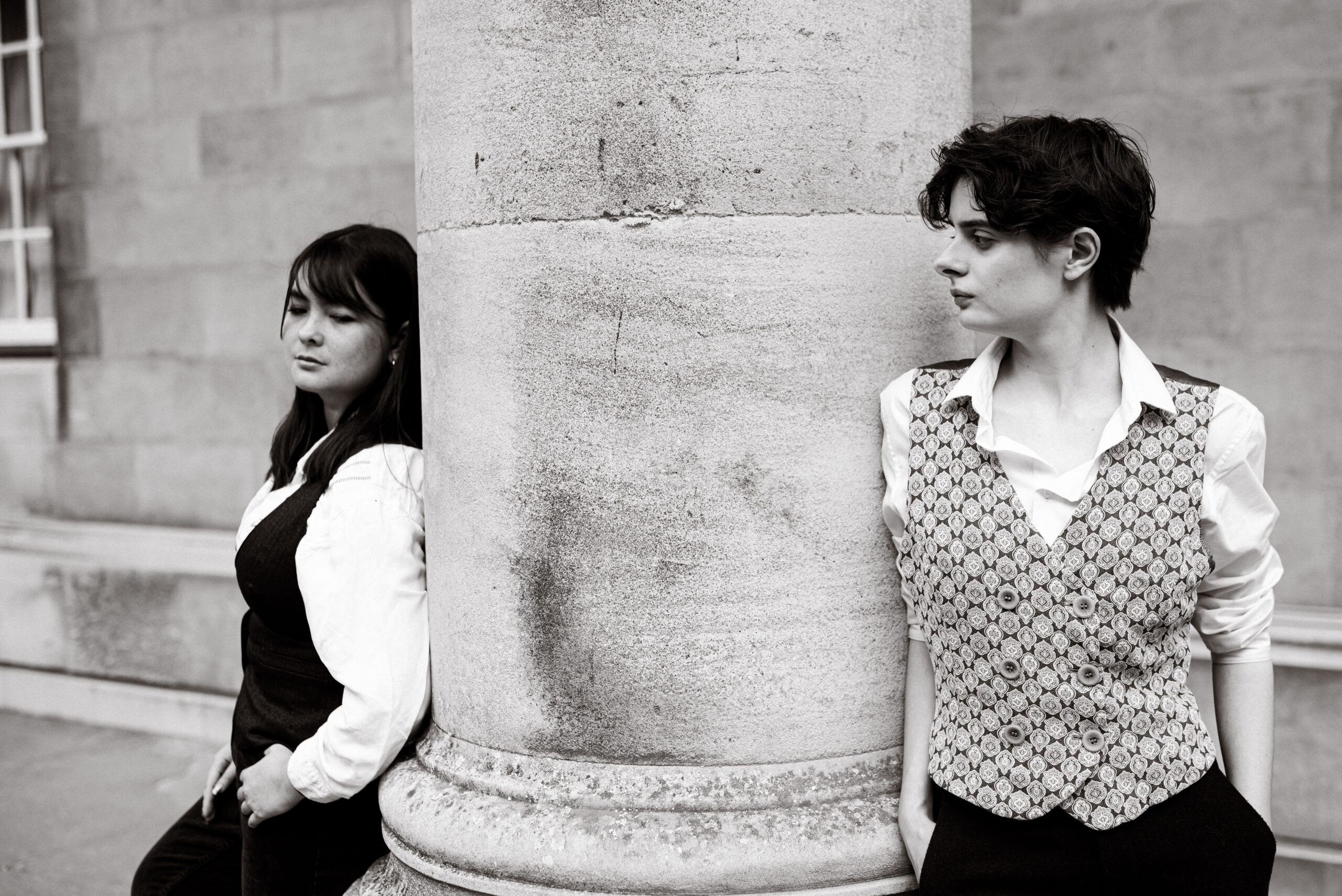
Directing the most famous writer’s retreat ever: In conversation with Director Gina Stock on her past work and the new musical 1816: The Year Without a Summer.
Forget badly adapted Netflix dramas showing notorious authors huddled round paper and quills. The stage now takes it’t turn to bring to life the best writer’s retreat of all time. Just picture, it’s 1816, you’re in Lake Geneva, with a brooding Lord Byron, the Shelleys argue by candlelight, and Frankenstein is about to arrive. This is exactly what the Cambridge director and choreographer Gina Stock, will bring to us with the new musical, 1816: The Year Without a Summer.
Gina has built up rich experience in all areas of theatre. She explained to us how her work is all about experimenting with what’s old and new: she discusses the risks, her past, and where the passion behind her work comes from.
“Every moment on stage has to earn its place,”
Georgina Stock
The Indiependent: How did you begin your creative career? When did you decide to go into performance and production?
Stock: “The first proper gig I did as Assistant Director was Romeo and Juliet alongside Josh Seymour at Cambridge Arts Theatre. He especially needed help from someone with a movement background for scenes like ‘The Masque’ and the main bits of combat throughout the play. I have found that my choreography has helped me into directing. It just naturally led me there. I found myself considering working upon musicals to become that point of communication between the actors and a director who doesn’t have much experience with movement.”
The Indiependent: Describe your experience of the arts scene at Cambridge University Musical Theatre Soc (CUMTS)?
Stock: “Since SIX (2017), the hit musical by Lucy Moss and Toby Marlowe, Cambridge Musical Theatre Society (CUMTS) have moved shows from their two theatres ADC and Cambridge Arts Theatre up to the Edinburgh Fringe. In 2023, I assistant directed and choreographed the Edinburgh Fringe Run of Palindrome (directed by Flo Winkley), a show about the highland community of Glenelg struggling with the fast pace of modern society. We then did a London run in Hammersmith at Riverside Studios.”
“It was again my choreography that Flo really needed help with. The show was set in a packing warehouse, so I did a lot of percussive work with cardboard boxes and high-visibility jackets. It was great to assist someone who was a lot further along in their career than me.”
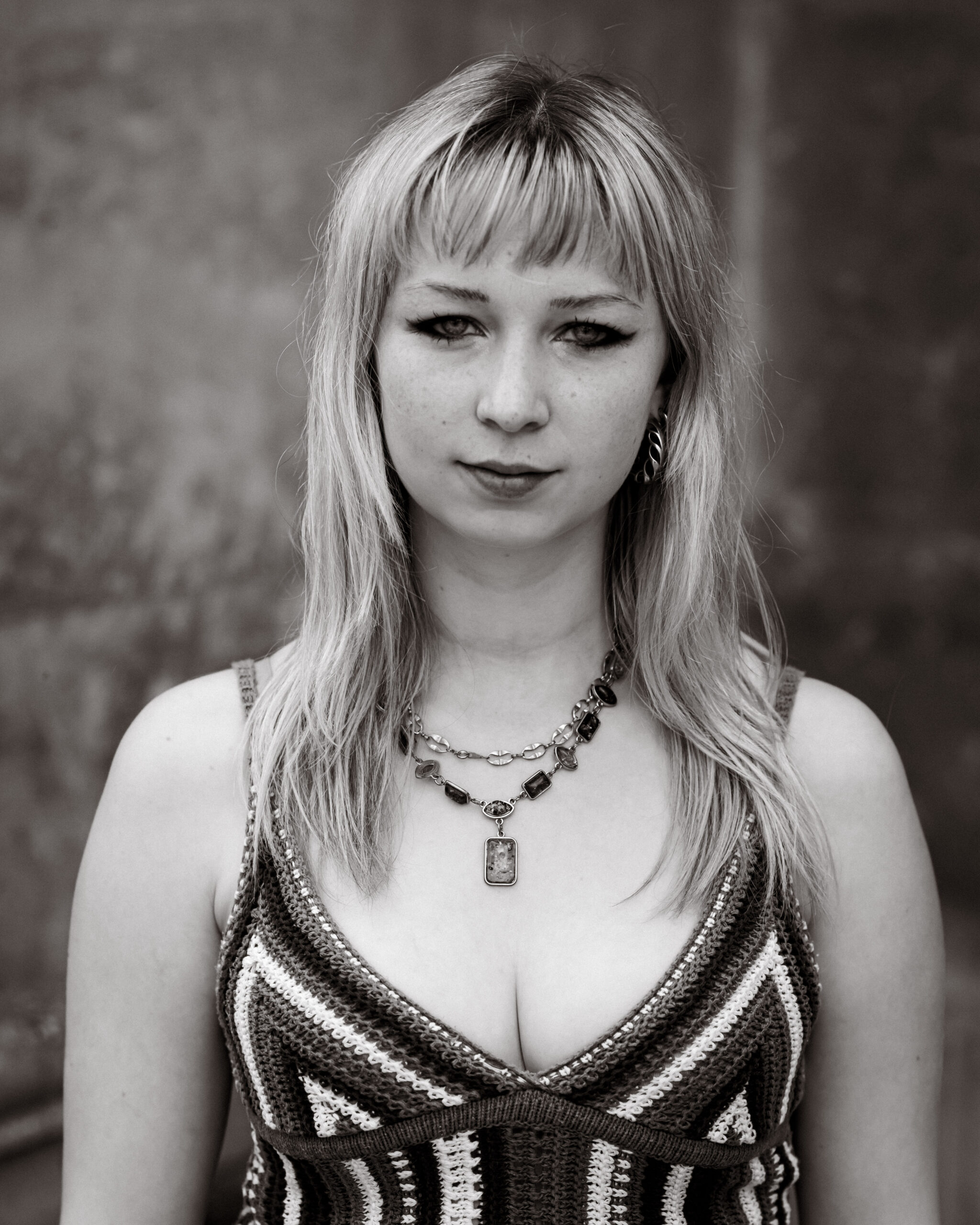
“The Cambridge Arts’ theatre scene is mostly kept up by the Marlowe society—the longest running society at Cambridge—with alumni such as Ian McKellan. As President, I ran the Cambridge Arts’ show, and we always make sure to invite working directors, agents and other professionals to our events. The Cambridge drama scene is so intense, and I had a lot of my first proper professional opportunities from work off the back of it.”
The Indiependent: You’ve done a lot of performing abroad! How was that different and what was your role within that?
Stock: “In 2025, we took Macbeth on a tour through America. As Stage Manager, I ran get-ins and the get outs and made sure that the theatres were safe to use. The first thing I noticed was that American theatres are not safe to use.”
“Americans also love to clap and make noise. In Britain, with Shakespeare, you will get an audience and they just kind of sit silently. You don’t know if they hate you or not. An American audience, you’ll finish the scene, and you get an applause, but this doesn’t necessarily mean that they enjoyed it. They just feel the urge to show their appreciation.”
“It was a really, really great experience. Whilst on the tour, we lost one cast member to a broken arm and then we lost another cast member to a family emergency. On a tour like that, everybody just does a bit of everything as there’s only 15 of you and there is this culture of dipping your finger in everything to make it work.”
The Indiependent: What has been your biggest work? What are you most proud of?
“Kiss Me Kate was my first big gig as I’d done a lot of choreography but no lead directing roles before that. We had a £14,000 budget which is huge for a student theatre company. Of course, I went on to do Sweet Charity which is what I am best known for around Cambridge but these two plays, occupy similar veins in my mind as they both have been criticized for misogynistic influences.”
With Sweet Charity, the musical that revives Bob Fosse’s famous jazz age choreography, we took a lot of sexist themes and turned them on their head. It was one of the first times I have worked with such famous choreography. I kind of had to re-learn it myself and get to grips with the style. I appreciated how detailed and intricate the work is. It’s all in the wrists and in the knees and the hips.”
In March 2025, Gina revived Fosse’s famous musical about Charity Hope Valentines erratic love life but give her a voice: “I like giving agency to the female characters in my work portraying those men who often act as comic characters as the manipulators that they were. So, when the ending does finally come in Sweet Charity, it’s like a heartbreaking moment rather than just a funny end.”
Stock: ‘I’m not interested in putting on ‘Golden Age Dance Musicals’; ‘I prefer working with actors or performers who don’t have much dance experience and using their skill set to create something interesting and dynamic on stage.’
Gina is keen to underline why her new project 1816, written by Cambridge students Natasha Atkinson and Nat Richards, has become more than another literary retelling: “It’s really about legacy. They were all so young, all so desperate to be remembered, and constantly competing with one another. That makes the story as relatable as it is legendary.”
The writer’s decision to place John Polidori at the heart of the show is crucial. “We only know about that summer because of his diary. He’s always been written off as Byron’s physician, but he’s the one who captured everything. We’ve made him funny, even a little ‘Fleabagesque’ at times, because through him the audience gets to see these icons as real people.”

That combination of accessibility and edge is central to the production’s appeal. “We haven’t dressed it up in old-fashioned language. It’s modern, it’s funny, it’s high stakes. Think Friends meets Frankenstein. There are plenty of comic moments, but when Mary writes Frankenstein, the emotion is overwhelming.”
With a five-star Camden Fringe run already under its belt, 1816 now heads to London for five nights. “Of course, Byron and Shelley’s names help sell tickets,” Stock admits, “but this is Polidori’s story. It’s about reclaiming a forgotten voice—and letting audiences see this history with fresh eyes.”
1816: The Year Without A Summer was performed at The Lion and Unicorn theatre from 30 September – 4 October.
Words by Harry Speirs
Support The Indiependent
We’re trying to raise £200 a month to help cover our operational costs. This includes our ‘Writer of the Month’ awards, where we recognise the amazing work produced by our contributor team. If you’ve enjoyed reading our site, we’d really appreciate it if you could donate to The Indiependent. Whether you can give £1 or £10, you’d be making a huge difference to our small team.