
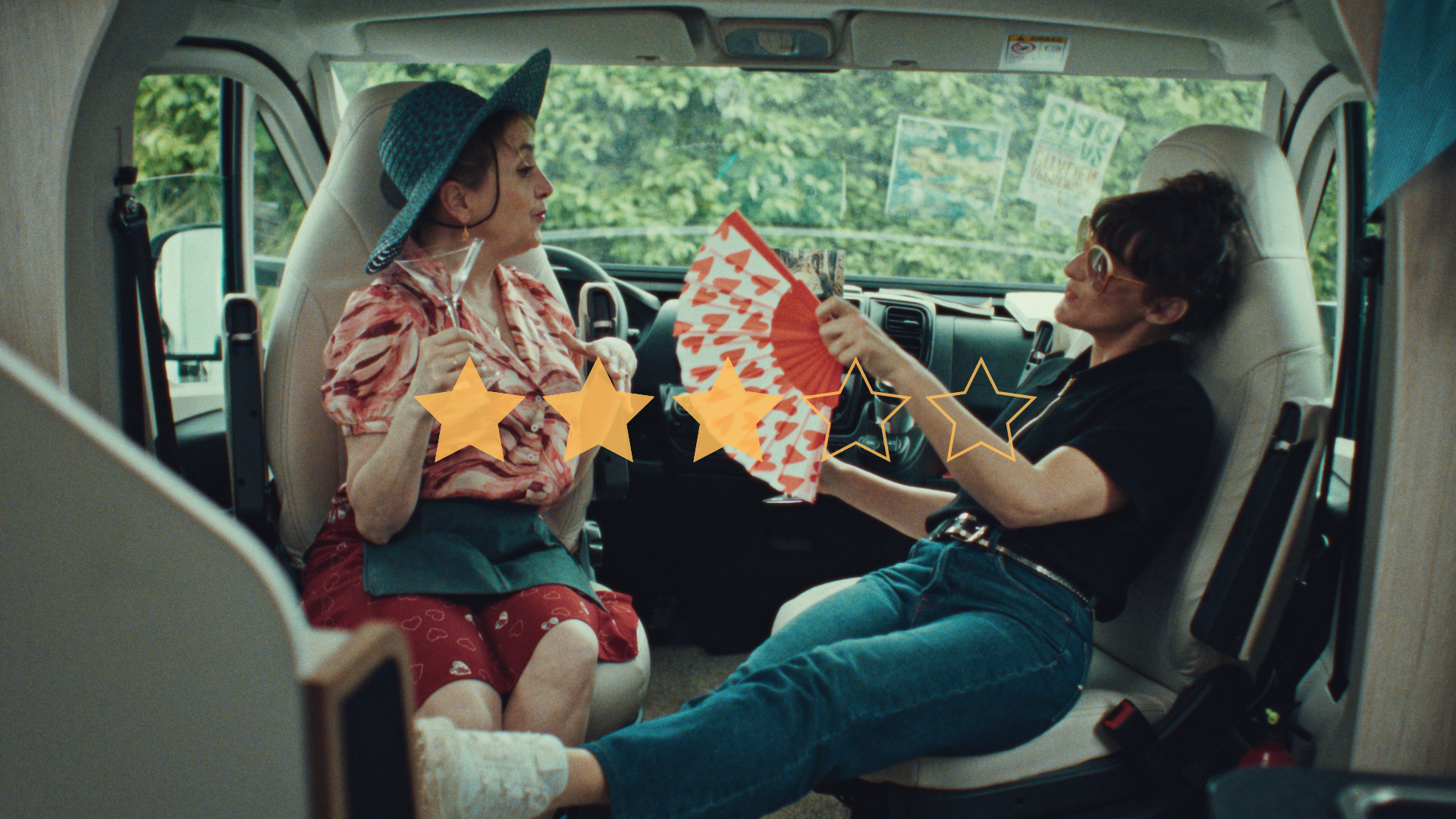
This year’s opener at the Cannes Film Festival was the feature debut from filmmaker Amélie Bonnin, the only woman director to ever open the festival. It’s a light, heartwarming tale on returning to your roots, the first love you never kissed and an ode to childhood spent in rural France.
★★★☆☆
Partir un Jour, is the name of 2Be3’s, France’s biggest ‘90s boy band, most famous single. Every kid who grew up or even spent some time in France during that time remembers the song dominating the charts in 1997. The last thing you’d expect after watching the first few minutes of Partir Un Jour, is for it to break into a musical, paying homage to French pop classics whilst trying to add rhythm and emotion to an otherwise pretty classic tale of returning home.
The film opens with Cécile (Juliette Armanet), a Parisian chef who learns she’s pregnant whilst in the final run-up to the opening of her first restaurant. Amidst the chaos she receives a call from her mother announcing that her father has just suffered another heart attack, which prompts her to reluctantly return to her small hometown in remote, central France. Back home, she helps her overwhelmed parents run their roadside restaurant, serving truckers traditional French dishes like bavette while she helplessly tries to reconnect with her estranged and dying father (François Rollin). Her long and overdue trip home also leads her to a run-in with her first love, local mechanic and biker Raphaël (Bastien Bouillon).
Cécile’s family and friends tease her for having won the extremely popular culinary TV show TopChef (MasterChef in the UK) and for her sophisticated, Parisian take on food and life, which clashes with their love of simple, small-town pleasures. Her father even keeps a notebook in his shirt pocket with all of her TV quotes, each one disregarding the popular dishes he so lovingly taught her how to make. In appearance, it’s another take on outgrowing the place and people that raised you, only to return in a period of crisis—arguably a contentious contender to kick off Cannes this year.

Bonnin gives Armanet, an incredibly loved pop singer in France, her first leading role in a film. It’s a hard feat to try and weave elements of pop culture into classic French cinema, considering how it has historically always been a rather bourgeois, Paris-centric art form. Additionally, foreign audiences might only know Armanet from her beautiful rendition of John Lennon’s Imagine during the Paris 2024 Opening Ceremony. Bonnin pairs the actors’ often amateur voices with timeless French-language pop classics like Stromae’s Alors on danse or Céline Dion’s gut-wrenching Pour que tu m’aimes encore, which have binded generations through universal experiences of love and loss. A repertoire of classics covering sixty years of pop music in France adds melody, depth and texture to the story, with a chance of some cultural references being lost on international audiences.
Bonnin uses food as a central character, with the recipes that are passed down through generations carrying their share of love and trauma. The kitchen is a place which increasingly acts like a cathartic center stage in TV and cinema (The Bear, Boiling Point, The Menu..). Here, the film is punctuated by powerful, high-tension episodes in both her future restaurant’s kitchen and the one she spent all of her formative years in. The pressure to perfect a signature dish, packed with the emotion of being back where her now ailing father taught her his love of food and which he refuses to leave, results in some of the film’s best scenes. It’s a universal space where everything is felt and brought to a boiling point, the very core of where our most intimate relationships are tested.
Cécile’s relationship to her own pregnancy and her reluctance to becoming a mother, which she stands by throughout the film, is also a rare occurrence in fiction—and one that is used as a satisfyingly clever plot device.
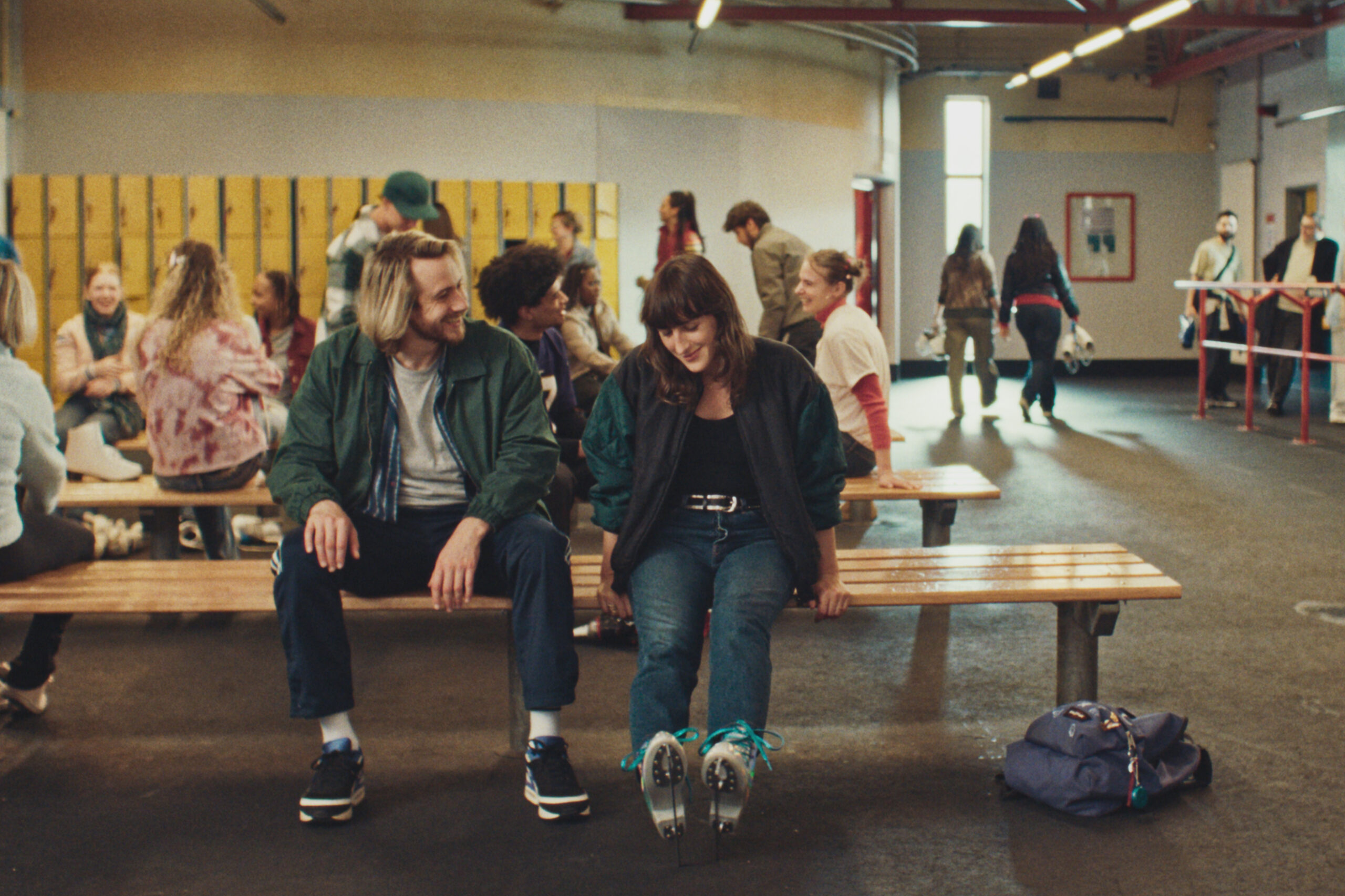
The real strength of the film lies in its ability to harness the raw emotion which lies behind the modest things in life: Cécile drinking Polish vodka shots with the lorry drivers, preparing chips for the day’s menu in her parent’s restaurant, or spending an evening eating grilled sausages and reminiscing with her school friends. One of the film’s most powerful moments comes when Cécile is about to take off back to Paris and suddenly hears her father’s voice from the kitchen. She walks in and watches him peeling potatoes whilst his shaky voice sings Dalida’s iconic ‘Mourir sur scène (To die on stage)’, a moment that will have the audience holding back tears. Partir un jour is an ode to returning to the painful innocence of where emotions were first felt.
The Verdict
It might not be the strongest film to open Cannes Film Festival but Partir un Jour is a breath of fresh air. In an industry which so easily overlooks the power of popular culture, it is an uplifting reminder of the everyday experiences that tie us together.
Words by Laetitia Collier
Support the Indiependent
We’re trying to raise £200 a month to help cover our operational costs. This includes our ‘Writer of the Month’ awards, where we recognise the amazing work produced by our contributor team. If you’ve enjoyed reading our site, we’d really appreciate it if you could donate to The Indiependent. Whether you can give £1 or £10, you’d be making a huge difference to our small team.