
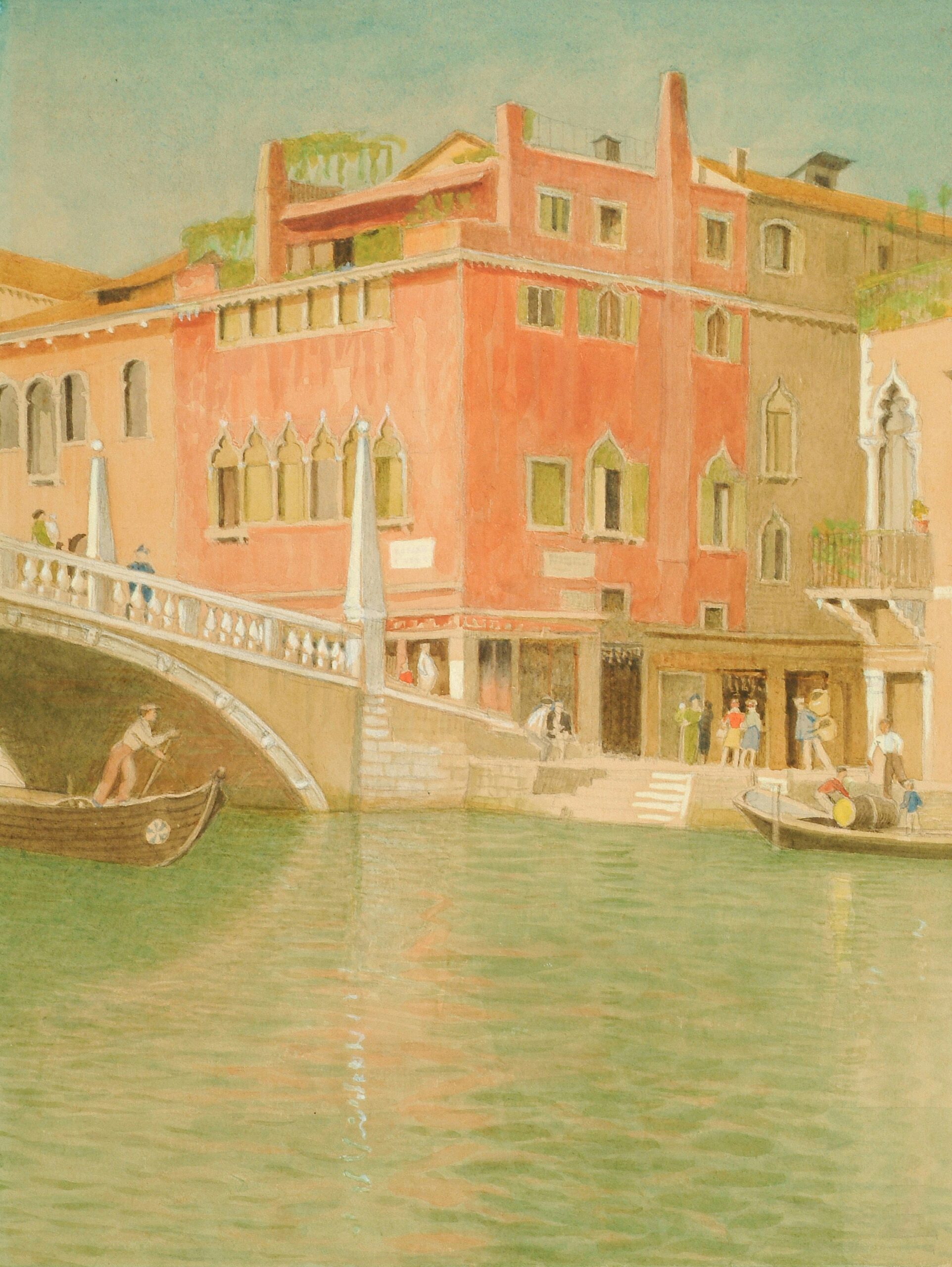
William Wordsworth’s poem “On the Extinction of the Venetian Republic” is a contemplative ode that mourns the fall of Venice’s political independence, celebrating its former glory and reflecting on the universal human capacity for loss and remembrance. Through its lyrical tone, vivid imagery, and philosophical undertones, the poem not only documents a historical event but also explores enduring themes of liberty, identity, and the inevitable passage of time.
Wordsworth’s verses evoke Venice’s former splendor with vivid imagery and reverent tone. Describing the city as “the eldest Child of Liberty,” he paints a picture of a maritime republic that once stood as a beacon of independence and virtue. The lines “She was a maiden City, bright and free” evoke innocence and purity, emphasizing Venice’s revered status as a symbol of liberty and cultural excellence.
The metaphor of Venice “espousing the everlasting Sea” captures the city’s unique relationship with the ocean—its marriage to the sea, which brought both prosperity and peril. This union, immortalized in poetry, symbolizes Venice’s identity as a maritime power, forever intertwined with the natural world.
Yet, Wordsworth does not shy away from acknowledging the inevitable decline of such grandeur. “And what if she had seen those glories fade,” he muses, recognizing that even the most venerable civilizations are destined to decay. Despite this, the poet urges us to pay tribute to what once was: “some tribute of regret,” because human beings have an innate tendency to mourn the loss of greatness.
His closing lines—“Men are we, and must grieve when even the Shade / Of that which once was great, is passed away”—serve as a reminder that societies are built on collective effort, and that mourning is an act of remembrance, not surrender. It’s a call for us to cherish democratic traditions and resist the forces that threaten to erode them—be they economic inequality, environmental destruction, or political apathy.
While written centuries ago, Wordsworth’s ode remains highly relevant amid today’s cultural and environmental challenges. As Venice faces the threat of rising sea levels and climate change, his metaphor of the city’s marriage to the sea takes on urgent significance. It underscores our fragile relationship with nature and the precariousness of human achievements built upon it.
In mourning Venice’s decline, we are also called to reaffirm our commitment to social justice, environmental sustainability, and democratic resilience. The city’s history reminds us that true greatness lies not in domination but in community, shared values, and the collective effort to build a more equitable world.
Words by Cassandra Fong
Support The Indiependent
We’re trying to raise £200 a month to help cover our operational costs. This includes our ‘Writer of the Month’ awards, where we recognise the amazing work produced by our contributor team. If you’ve enjoyed reading our site, we’d really appreciate it if you could donate to The Indiependent. Whether you can give £1 or £10, you’d be making a huge difference to our small team.