
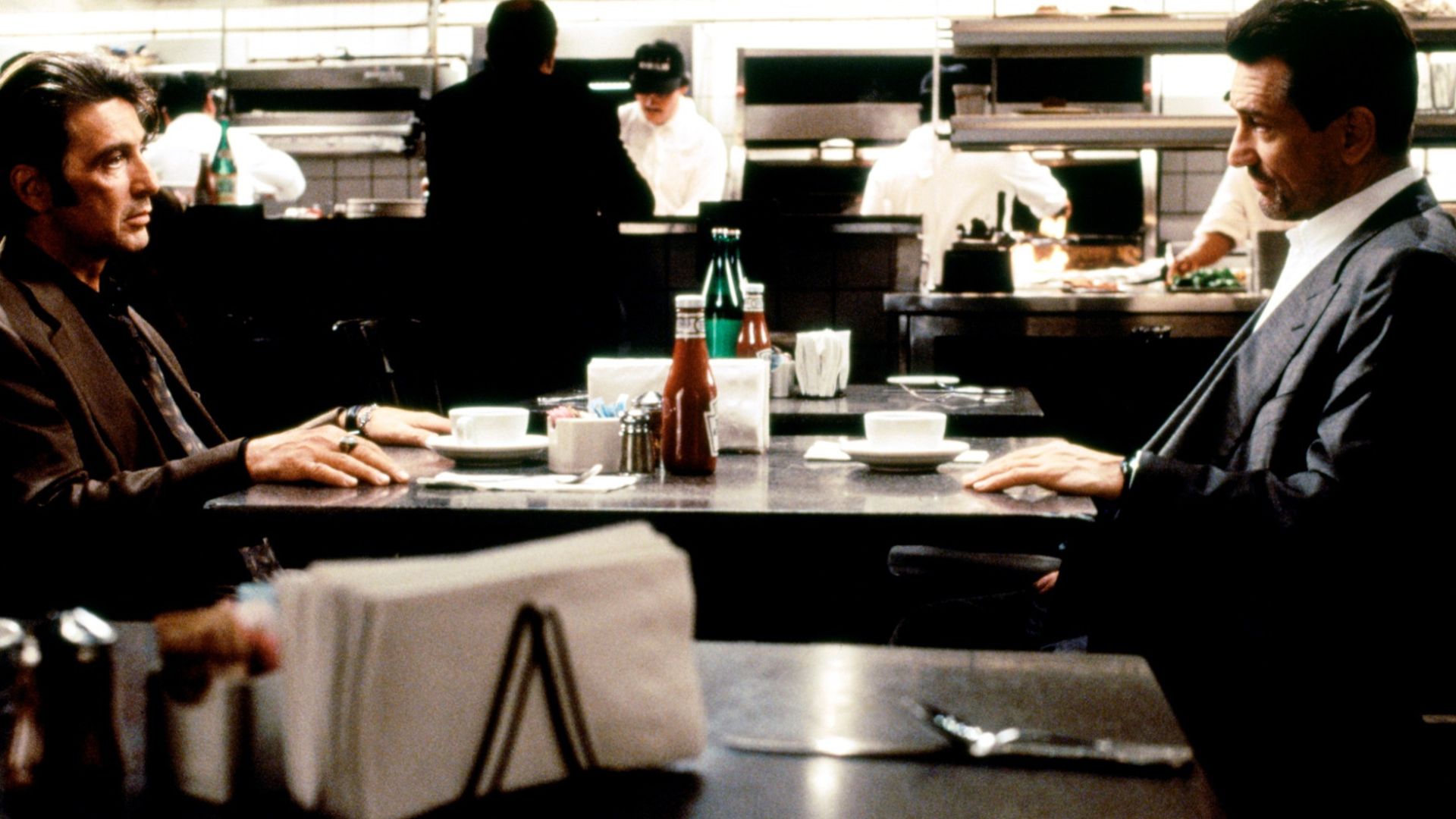
Michael Mann is one of the most distinctive filmmakers in American cinema, blending operatic crime sagas with emotional introspection, all wrapped in stylish visuals and sonic perfection.
Known for his obsession with authenticity, sleek aesthetics, and moral ambiguity, Mann crafts films that feel simultaneously grand and intimate. His filmography spans over four decades, and though varied in critical and commercial reception, nearly every work showcases an auteur’s relentless pursuit of excellence. Here’s a ranked look at his theatrical features, from worst to best.
12. The Keep (1983)
Mann’s most chaotic and least cohesive film, The Keep is a moody World War II supernatural horror movie that never quite finds its footing. The film was hampered by production troubles and forced studio edits. Though visually ambitious and scored with an eerie beauty by Tangerine Dream, the film is ultimately a fascinating mess. There are flashes of Mann’s style buried under layers of fog and confusion, but it remains his most unrefined and least engaging work. It feels like Mann was still pinpointing his style while making this one.
11. Public Enemies (2009)
Public Enemies should have soared. The cast is strong, the historical subject matter compelling, and Mann’s direction is typically exacting. But the film lands with a strange emotional flatness. Johnny Depp’s John Dillinger is charismatic but distant and the digital cinematography, while bold, feels jarring in a 1930s setting. The film succeeds in capturing the end of an era, the outlaw giving way to the bureaucratic state, but it never quite ignites. The film is well crafted and thoughtful, yes, but also strangely airless and muted. You would think a film like this would have a bigger impact, yet something feels like it is missing.

10. Ali (2001)
With Ali, Mann tries to go deeper than the typical sports biopic. Will Smith delivers a transformative performance as Muhammad Ali, capturing the boxer’s charisma and interior complexity. Rather than covering his entire life, the film focuses on a decade of personal and political upheaval. While the boxing scenes are kinetic, the narrative structure can feel disjointed. Still, Mann’s portrait of a man torn between public persona and private conviction is powerful.
9. Ferrari (2023)
Ferrari finds Mann returning to character study through the high-octane lens of auto-racing. Set during the summer of 1957, the film zeroes in on Enzo Ferrari as he faces the possible collapse of his company, navigates a strained marriage haunted by grief, and pushes toward the deadly Mille Miglia race as a last-ditch effort to save it all. Adam Driver gives a restrained, internalized performance, portraying Ferrari as a man emotionally detached but driven by legacy. The racing scenes are intense, shot with Mann’s signature attention to detail and realism, but the true focus is personal tragedy and control. It’s a somber and precise work — not a biopic, but a psychological portrait, and one of Mann’s most intimate films.
8. Blackhat (2015)
Long misunderstood, Blackhat is one of Mann’s most abstract and experimental films. Chris Hemsworth plays a hacker tracking a mysterious cybercriminal across the globe, but the plot is secondary to the atmosphere. Mann dives into the eerie weightlessness of the digital age, where violence can erupt from anywhere and nothing is physical. The film falters with some clunky dialogue, but its cyberpunk tone and existential undercurrents have gained it a cult following. It’s Mann at his most austere and elusive.
7. Miami Vice (2006)
Miami Vice is a minimalist, brooding reimagining of Mann’s own ‘80s TV show. Gone are the flashy colors and swagger, replaced with digital cinematography and globalized crime. Colin Farrell and Jamie Foxx don’t banter; they drown in cool detachment and they chew the scenery up with every scene. Mann pares the story down to pure sensation: speedboats on open water, shootouts lit by lightning and sudden romance. It’s a film that resists traditional plotting in favor of immersion. Misunderstood on release, Miami Vice now stands as a stylistic high point of 21st century-genre cinema.

6. Manhunter (1986)
As the chilling precursor to The Silence of the Lambs, Manhunter introduced the world to Hannibal Lecter (here played with an eerie calm by Brian Cox). That being said, the 1986 release is more about detective Will Graham, whose empathy for killers eats away at his psyche. With icy visuals, a synth-heavy score, and expressionistic lighting, Mann crafts a crime procedural that feels like a psychological dreamscape. The film’s clinical tone and emotional detachment were divisive in the ’80s, but its legacy has grown, and like many Michael Mann efforts, has gotten better with time.
5. The Last of the Mohicans (1992)
An outlier in Mann’s career, this historical epic shows he can work just as powerfully in nature as he can in the city. Daniel Day Lewis is electric as Hawkeye, the adopted son of a Mohican warrior navigating his cultural identity during the French and Indian War. Every frame is stunning, the action is raw and real, and the romance is deeply felt. Mann brings his signature focus on honor and the doomed fate to the 18th century. The result is a visually spectacular film.
4. Thief (1981)
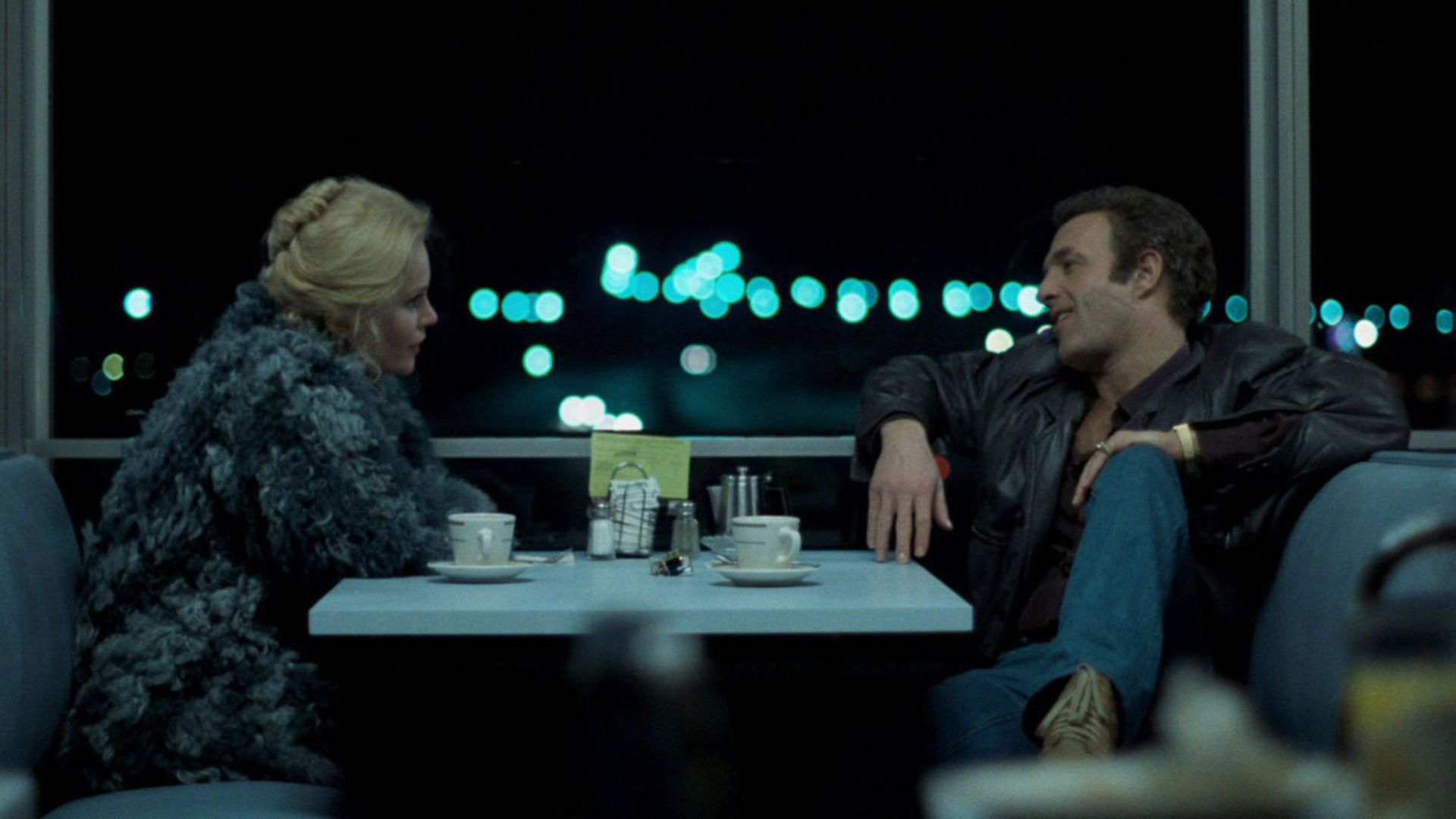
Mann’s debut film is a lightning bolt of style and existential grit. James Caan stars as Frank, a master thief who wants out of that life, but soon learns that systems don’t let people like him go clean. The film is gorgeously shot in the industrial blues and blacks of Chicago with a pulsing Tangerine Dream score that never lets up. Frank’s code of professionalism, his yearning for something real, and his ultimate self-destruction all feel like the core of Mann’s worldview in one film. It is an unforgettable debut in cinema.
3. Collateral (2004)
Set over a single, surreal night in Los Angeles, Collateral is a noir flavoured movie that blends philosophy with suspense. Tom Cruise plays Vincent, a hitman who hijacks a taxi and forces the driver (Jamie Foxx) to chauffeur him to his hits. Mann’s digital cinematography turns the city into a reflective, alien landscape. It is stylish, loaded with tension, and surprisingly introspective, a genre piece elevated into something existential and poetic.
2. The Insider (1999)
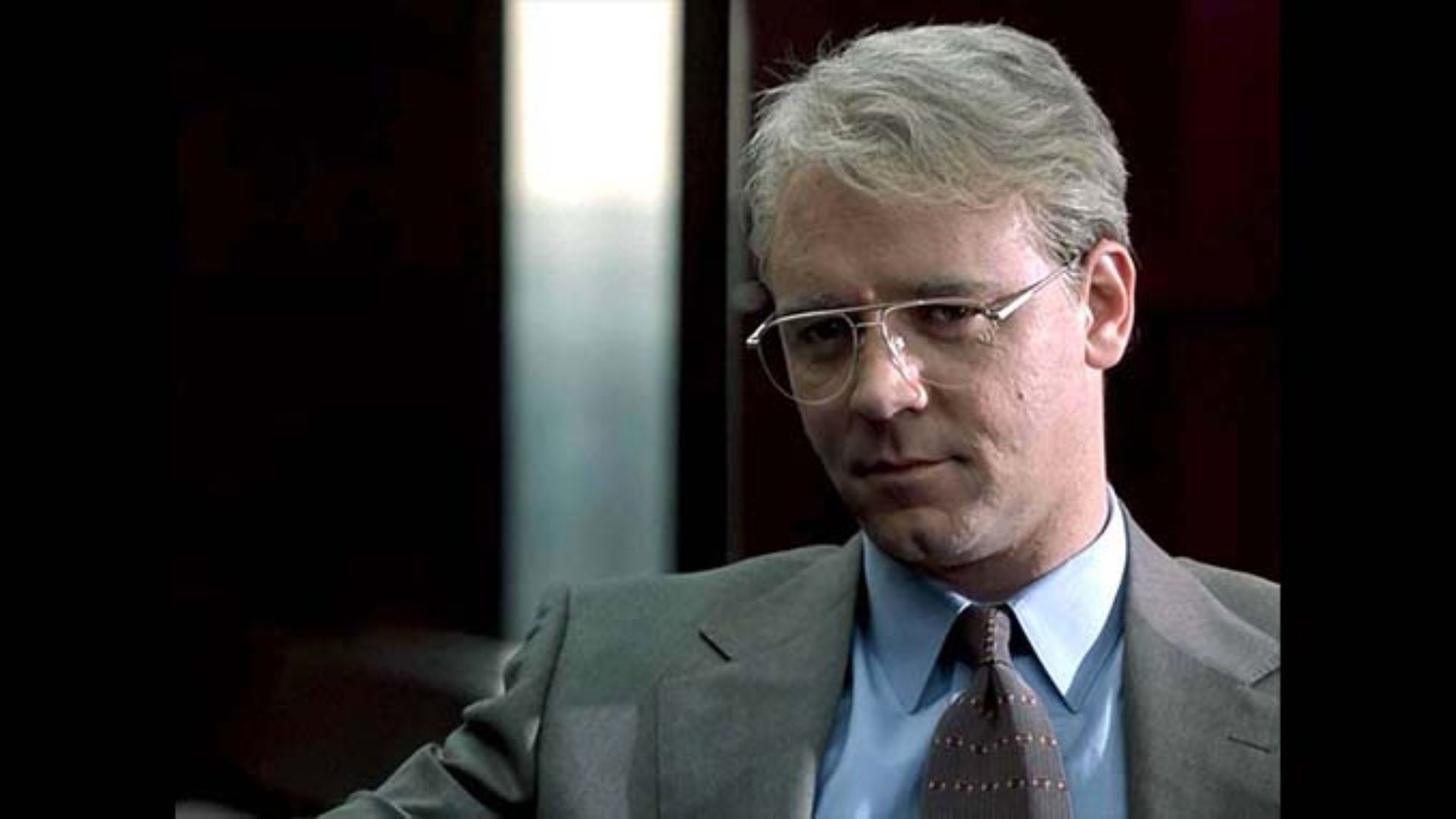
This corporate thriller plays like Mann’s quietest film but it may be one of his more memorable. Russell Crowe brings emotional depth as Jeffrey Wigand, a tobacco industry whistleblower who risks everything to tell the truth. Al Pacino, as CBS producer Lowell Bergman, brings a controlled intensity. Mann directs with a sense of fury, turning boardrooms and fax machines into battlefields. It’s about systems of power, who controls the narrative, and what it costs to challenge them. With meticulous craft and a slow burning sensibility, The Insider is a masterwork.
1. Heat (1995)
Heat is more than Mann’s best film, it’s one of the defining American films of the last half century. This sprawling L.A. crime epic pits Al Pacino’s obsessive cop against Robert De Niro’s master thief in a story of dual lives. Every shot matters. Every moment simmers. From the iconic diner scene to the thunderous downtown shootout, to the opening robbery scene, Mann fuses procedural realism with operatic emotion. Heat isn’t just cool, it’s transcendent. One of the best action movies of all time. Mann’s definitive statement and a stone cold classic.
Words by Sebastian Sommer.
Support The Indiependent
We’re trying to raise £200 a month to help cover our operational costs. This includes our ‘Writer of the Month’ awards, where we recognise the amazing work produced by our contributor team. If you’ve enjoyed reading our site, we’d really appreciate it if you could donate to The Indiependent. Whether you can give £1 or £10, you’d be making a huge difference to our small team