
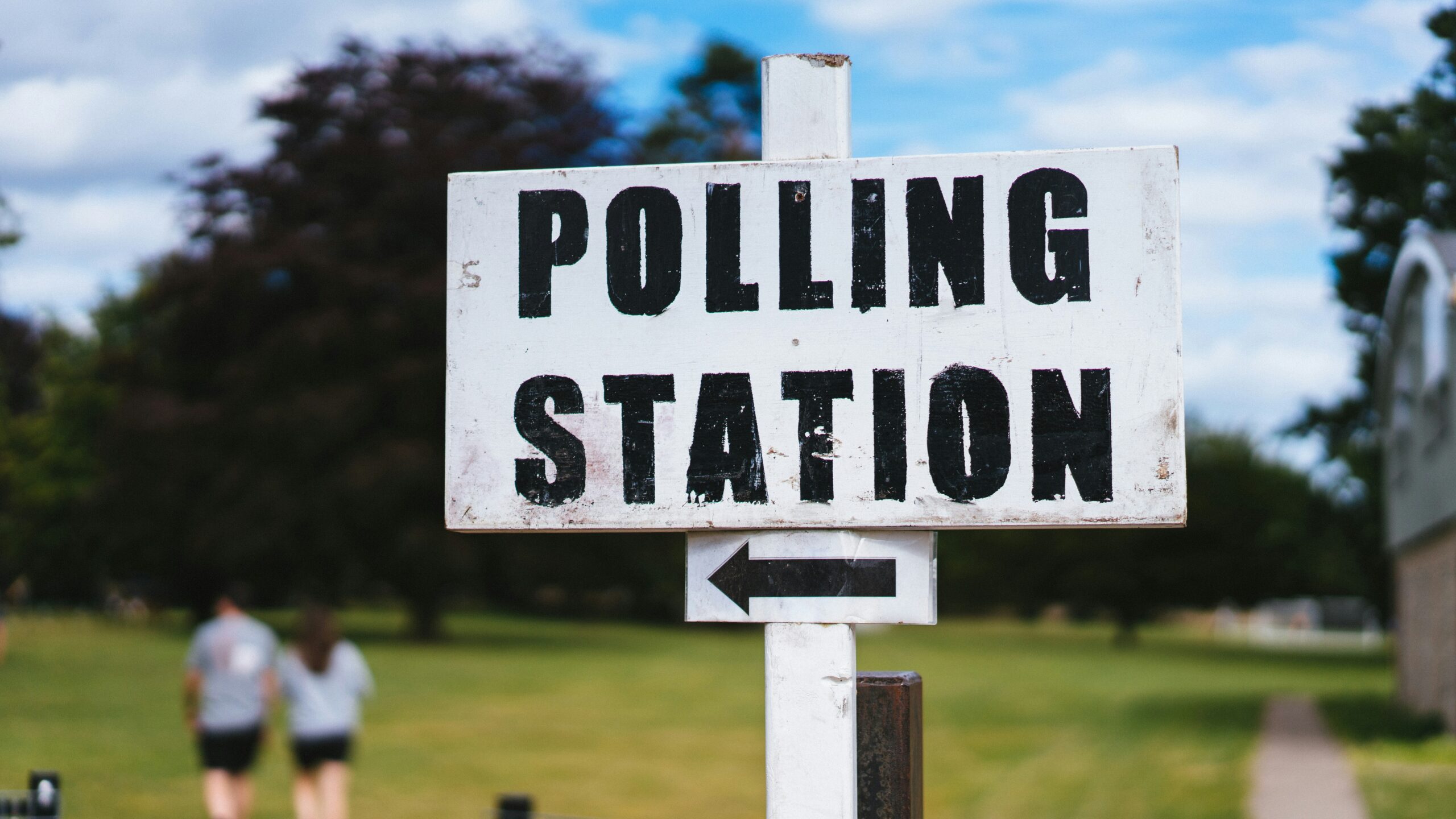
In 1918, the first Representation of the People Act granted automatic voting rights to all men and limited rights to women over a certain age. In 1969, the Sixth Reform Act extended the right to vote to all men and women over eighteen. Then in 2008, a Private Member’s Bill was put forward to reduce the voting age yet again to sixteen, but the bill didn’t pass. Even so, the campaign to reduce the voting age has been a long one. The 2024 Labour Party manifesto stated an intention to follow through on these efforts, and last month it was confirmed that this proposal will be legislated before the next general election.
Reactions to the news have varied. Prime Minister Keir Starmer said “If you pay in, you should have the opportunity to say what you want your money spent on, which way the government should go.” On the other hand, Reform Leader Nigel Farage has openly objected to the change. Whether opposing parties are in favour or not, Labour is set on this declaration becoming law. Starmer and the Labour Party’s reasoning for this legislation is that if sixteen-year-olds are working full time and paying tax, they should share the same fundamental rights as those who are 18 and above. At sixteen, you can start a bank account, leave school, join the armed forces and more. Is it really that much of a stretch for them to vote?
It is understandable why some younger people want the right to vote. And yet less than 50% of 18-24 year olds currently exercise that right, and 49% of 16-17 year olds don’t think the voting age should be lowered at all. If these young people who currently have the right to vote are choosing not to exercise that right, and almost half of those who will be given the right to vote don’t want it, then how much change will this new legislation bring? ITV reports that only 18% of 16-17 year olds say that they would definitely vote if there was an election tomorrow, signifying a lack of interest in politics and decision making.
Despite this, for many people, their voices need to be heard to feel as though they are contributing to society, particularly when decisions are made that affect young people and yet they get little to no say in them. Labour MP Ian Lavery recently spoke with The Indiependent about his perspective on the change, explaining how the aims of the legislation align with his personal beliefs. Lavery said that “young people are the future of the country” and that “young people have been left behind” by previous changes where they had no say. Historically, young people have been disregarded and seen as less important than their elders.
Nothing sums up this historical attitude better than the common phrase ‘children should be seen and not heard’. This is a phrase that dates back to the 15th century and is still in common use today; the idea that children should be subservient, silent, and complacent. Author and speaker DeAntwann Johnson has spoken out about this, expressing the need for young people to be listened to. Johnson says “If we continue to go down this path of seeing children as less than us…then we fail to recognise and acknowledge the long-term effects that could impact… the adult that they ultimately become.”
As times have changed, society has become more aware of the need for young people to be heard, as they provide fresh perspectives on important matters that directly impact them (and others) both now and in their future. Greta Thunberg is a passionate climate activist who exemplifies the change young people can campaign for if given an opportunity. Thunberg makes clear that climate change increases the need for young adults to speak up, allowing them to become more vocal in politics as their opinions should and do matter.
During adolescence, your ideas and perspectives when voting are nascent and also the determining factors for upcoming generations. Why shouldn’t young voices be heeded? These are our future doctors, police, teachers and more who want a safe and decent society to grow up in. Including young voices and opinions in political conversations can provide alternative solutions to moral and political dilemmas. According to research from YouGov, 41% of 18 to 14-year-olds voted for the Labour Party and 18% for the more left-leaning Green Party. This goes down to 20% and 3% respectively for those over seventy, who are more likely to vote for the Conservative Party or Reform. Young people’s voices are needed in elections to allow for a wide variety of perspectives and demands to be heard. Otherwise, young voices risk being ignored.
But how can you engage younger voters in politics? Younger generations enjoy indulging in fast-paced and easily digestible content, particularly from social media sites like TikTok and X (formerly Twitter). This allows for new forms of political information-sharing and propaganda to evolve. Politicians and political bodies are beginning to use these platforms to broadcast eye-catching media. At a young age, teens are extremely impressionable when it comes to advertisements, as they are naturally attracted to trends and comedy. The more that MPs build their status around what younger people find amusing, the easier it may be to get their vote. You could argue that, due to this strategy highlighting how younger people are more immature and easily influenceable, it may not be a good decision for younger people to vote. Although this raises a fair point, sixteen-year-olds are already trusted to commit to life-altering decisions such as GCSEs and choosing A-levels or which college to attend. Why shouldn’t they be trusted with the choice to vote?
Disagreements surrounding the voting age being lowered may be as straightforward as the belief that teenagers are too immature and inexperienced, especially when it comes down to a decision where every vote counts. If they are unaware of the significance or intention behind each party’s manifesto, it may result in people voting in a way that doesn’t align with their beliefs. This is in no way a criticism of one’s intelligence; it is an honest concern that could culminate in a wayward voting pattern if young people aren’t altogether aware of what and who they are voting for. That being said, this is not a concern that is unique to young people. A study by Unlock Democracy found that only 28% of voters across all age groups said a party’s manifesto would heavily influence how they vote, while research from 2015 indicates that less than one in five Britons have ever even read a manifesto. Political unawareness is hardly an issue confined to younger voters, so why treat them any differently?
Young people are here to be seen, heard, and included in our society just as much as older generations. Questioning their right to vote is unjust and results in a biased disparity in how we assess different people’s right to participate in democracy. Some sixteen and seventeen-year-olds may choose not to exercise this right, as many older people do, but that doesn’t mean they are somehow less deserving of it in the first place.
Words by Alice Pattison
Support The Indiependent
We’re trying to raise £200 a month to help cover our operational costs. This includes our ‘Writer of the Month’ awards, where we recognise the amazing work produced by our contributor team. If you’ve enjoyed reading our site, we’d really appreciate it if you could donate to The Indiependent. Whether you can give £1 or £10, you’d be making a huge difference to our small team.
The question for me is around adulthood.
One is currently considered an adult at 18.
Drivers can’t start driving cars until they are 17. Why not 16?
The age to buy cigarettes and smoke has been increased to 18, why move it from 16 where it was a few years ago?
Children are required to stay in education or training until they are 18, this has increased recently from 16. The amount they can earn in the workplace and thus pay into the system that Prime Minister Kier Starmer refers to is so seriously restricted that it almost negates his point.
Children may only get married under the age of 18 with parental permission. Why not 16 without parental permission?
Children can only have beer, cider or wine at 16 and 17 in a pub with food and with adult supervision. To drink alcohol, they must be 18. Why shouldn’t they be allowed to drink alcohol without food in a pub at 16?
The governments of the previous few years have been shifting the age where children are allowed to do things to when they are adults. If the government is going to lower the voting age to 16, then it’s time to reset the age of adulthood to 16 and allow everyone at that age to do all the things above that the government currently prevents them from doing.
Voting is currently set at 18. It’s right that people are questioning the motives behind lowering the voting age when the direction of travel in recent years has been to treat children as children for longer than ever.