
If your favourite actor is chomping on chicken, yapping on the subway and playing with puppies for Buzzfeed, then they probably have a movie coming out. But in all of this promo, who is actually going to talk about the film?
Digital culture has inflicted massive change upon the filmmaking landscape and it’s also changed everything for film marketing. Press tours are now the entertainment. It’s no longer strange to find the new Superman (David Corenswet) geeking out over Star Wars with Brittany Broski on her Celebrity Interview Youtube Show Royal Courts. The video sits at 1.8 million views but with Reels and TikTok, the engagement opportunities are endless. Promotional tours have always been intensive. Prior to the social media age when print media dominated – press junkets, premieres and talk shows were enough to get people talking about the film. Now, that barely scratches the surface. From upcoming actors to established living legends, all must dedicate themselves to the digital press tour.
The buzz word is branding, which is just as important, if not more so, for maintaning a successful acting career. Talent agencies and acting schools alike include courses on ‘How to market yourself’ alongside acting techniques. Casting teams don’t just want actors who can disappear into a role, they want actors with great brandability with a large, built-in audience. More so than ever, the successful promotion of a film is dependent on viral moments, buzzy marketing and the number of followers an actor has. In an interview with Josh Horowitz, Maya Hawke revealed that some producers hand directors follower sheets, basing the casting on the combined following of the actors.
Widespread marketing appeal is not always conducive to cinema ticket sales. As of late, actress Sydney Sweeney dominated major news outlets headlines for controversies linked to product advertisement of Sydney’s Bathwater Bliss Soap with the company Dr Squatch and American Apparel jeans. The White House’s Head of Communications and Donald Trump both commented on the controversy. Yet, despite this media attention, her latest film Americana bombed at the box office with an opening weekend of $500,000, according to the Hollywood Reporter.
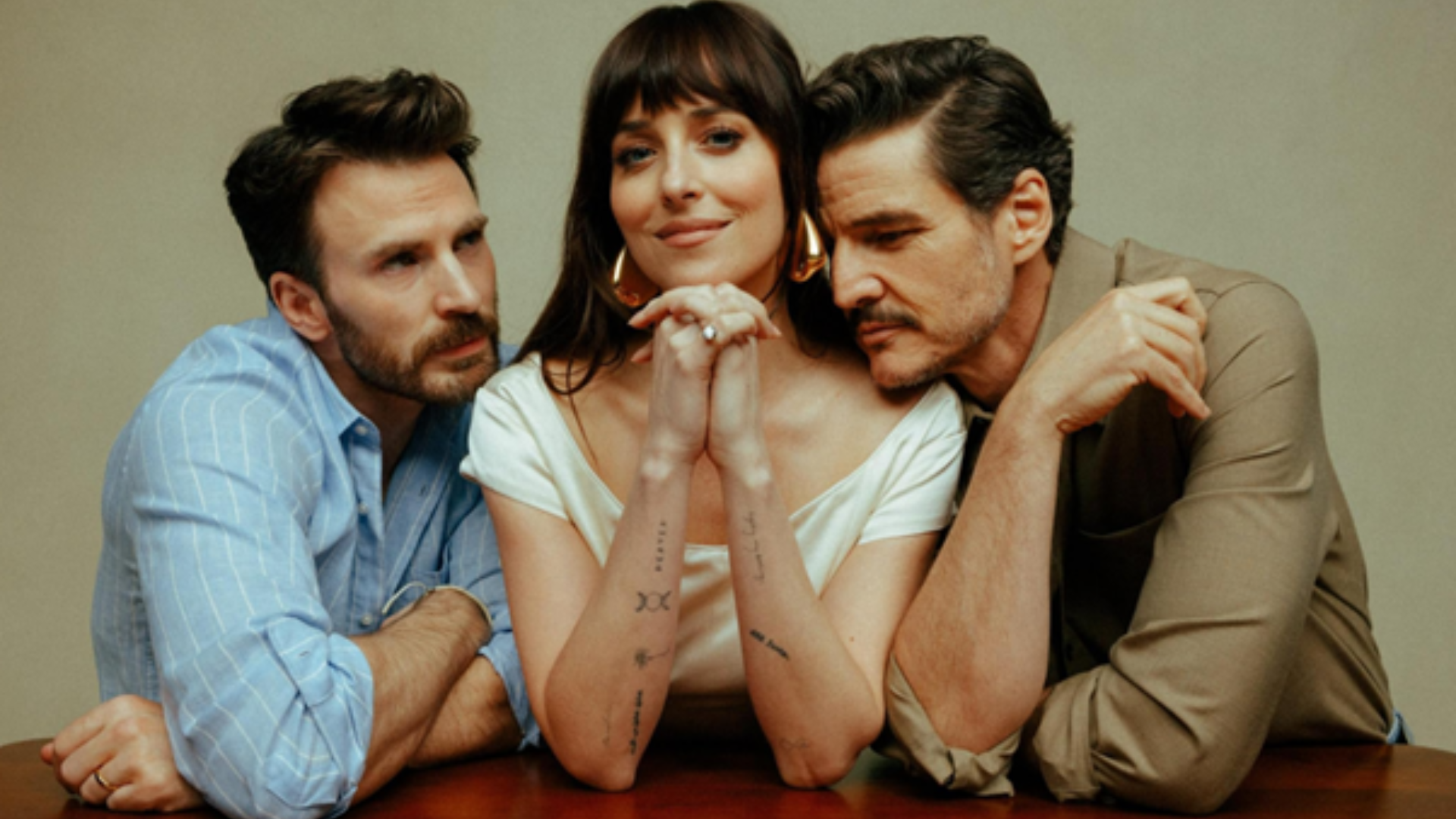
Marketing campaigns are entertainment within themselves, actors must employ a different kind of acting skill that is the performance of self-promotion. Press tours must become larger. Take marketing tactics from the Materialist for example, where the film partnered with the New York Stock Exchange to create a live website where men can put in their information and see where they rank in the dating market. Whilst also supplying cardboard cutouts outside select cinemas for people to measure their height. On Youtube, you can find Dakota Johnson and Chris Evans making pizza for the New York Times. A viral moment means a successful promotional tour which will hopefully convert itself to streams and ticket sales. The Worldwide Box Office for the Materialist is over $80 million as of writing.
Anora (2024) was an indie project with a relatively small budget of $6 million, and yet its marketing budget was $18 million dollars. The film grossed $50 million through clever marketing ploys aimed at garnering appeal to Gen Z, from pop-up shops to limited edition merchandise. The press tour aimed to stay focused on the film’s subject matter rather than appease what was trending at the time. However, Anora was an awards campaign as much as it was a film promotional campaign. Minor controversies surrounding the use of intimacy co-ordinators on set also proliferated the discourse which is a sure way of increasing the draw of a film.
Yet, blockbusters stand in a different place. Superman’s marketing budget could be up to $200 million alleged by various sources according to the Hollywood Reporter. Appealing to cinephiles is not enough for major budget films to recuperate on their spending-spectacle and must be employed to encourage people to turn away from their phones and head to the movie theatres.
Video interviews will have the cast playing games as a way to convince audiences that actors are down to earth, funny and relatable enough to persuade audiences to go and buy a ticket. Not only that but with so much content out there, press tours are repetitive if not aggressive in the constant promotion, hoping to stand out in the ever competitive economy of attention and virality.
Actor Cillian Murphy in an interview for GQ spoke of press tours as a ‘broken model’. Going on to say – “It’s like Joanne Woodward said… Acting is like sex – do it, don’t talk about it.” Since, Murphy has been categorized by the internet as an introvert that doesn’t want to be there- clips of him looking disinterested at interviews and events have become a viral joke. His open criticism has created a wave of no media training actors jokes and very little discussion on the form of acting. Take Renee Rapp in the promotion of Mean Girls 2024 who was celebrated for her apparent lack of media training.
Murphy’s admittance of the tiresome quality of press tours has opened up the table for other actors to also come forward about how they also dislike the model. Simu Liu (Barbie, Shang-chi and the Legends of Ten Rings) lamented over press tours in Threads:‘ Sometimes authenticity and the desire to say something genuine gets punished because context is left out’.
The wrong interview clip can be the difference between bad promotion and a good promotion, with the internet’s ability to damage the reputation of both the actor and the film. This, in turn, exposes the actor to an onslaught of trolling and hate comments and the film becomes overshadowed by drama and controversy. The modern press tour now consists of podcasts, Youtube videos for legacy publications, street interviews and anything that works in three minute video format on top of the premieres, junkets and late night show talks. More so, this digital media landscape also infringes on filmmakers’ ability to talk about films to the fullest extent. However, a slight shining light appeared when Kodak released a video of Ryan Coogler discussing aspect ratio for Sinners. The video was widely praised with over 805k views, one person commenting on the video – ‘I would much rather see this kind of promo than rando interviewers asking the same questions. Bravo’. Upcoming journalists who wish to gain more insight on the filmmaking process may be discouraged from asking questions about the film and instead ask off-topic questions to ignite viral content. It can be frustrating to attempt to gain more understanding about film or TV projects but instead to have only learned that an actor thinks Twiglets are nasty.
Many complain about Gen Z’s insatiable obsession with the cult of celebrity, and yet little is done to remind people that they are actually promoting a film and not their personalities. Over the past five years, the greatest film marketing ploys have not been solely contrived by bloated marketing tatics, but from audiences who are actively excited about films’ content.
Words by Ayomide Asani
Support the Indiependent
We’re trying to raise £200 a month to help cover our operational costs. This includes our ‘Writer of the Month’ awards, where we recognise the amazing work produced by our contributor team. If you’ve enjoyed reading our site, we’d really appreciate it if you could donate to The Indiependent. Whether you can give £1 or £10, you’d be making a huge difference to our small team.