
From Bohemian Rhapsody to Oppenheimer, the biopic has long been a repetitive genre. The Smashing Machine shows how to fix it.
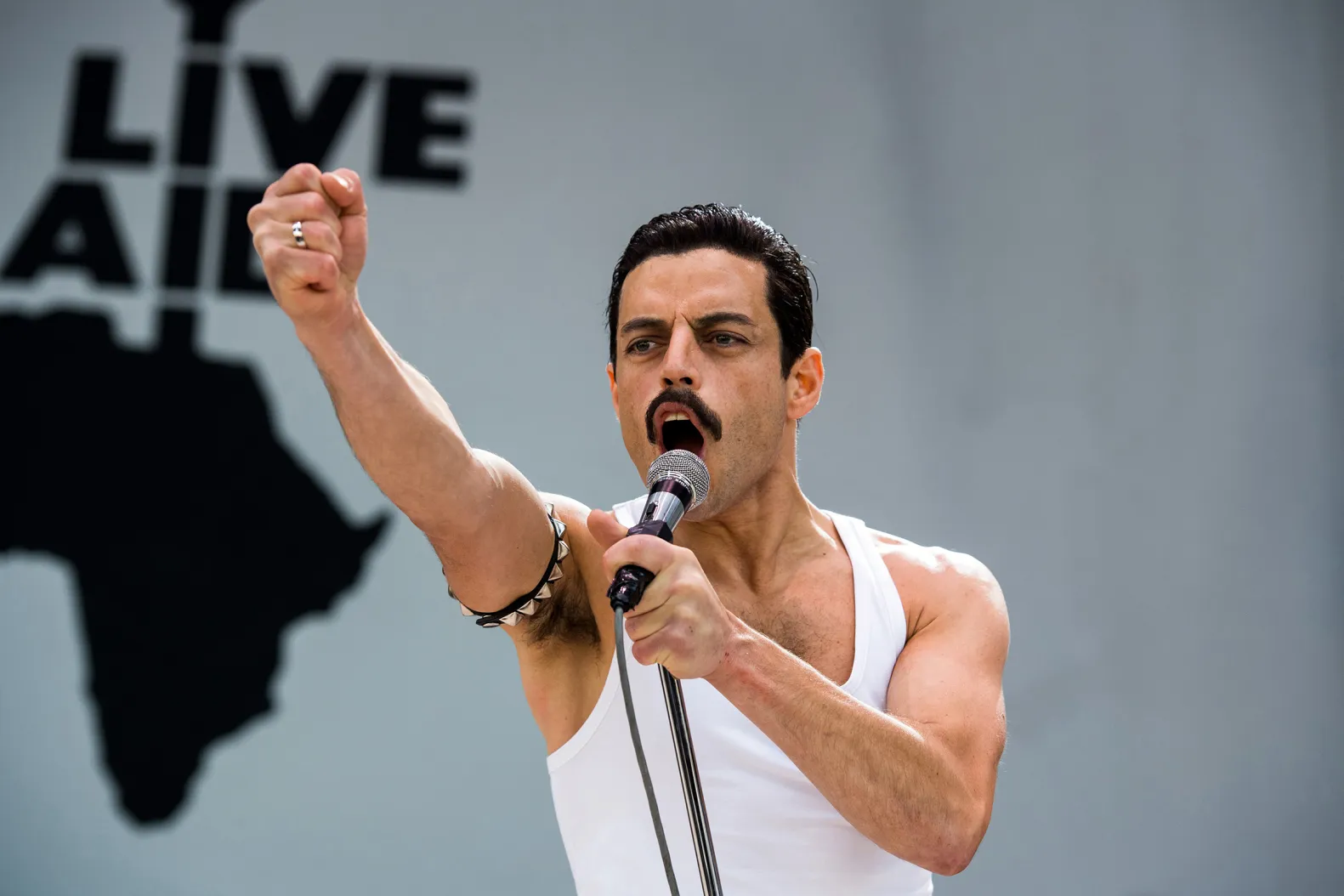
Stamp, stamp, clap. Stamp, stamp, clap. Freddie Mercury stands on stage at Wembley stadium in front of 72,000 people, with millions more watching at home. It’s his first public appearance in years, but he’s still got it. The entire crowd is in his hands, the entire world is. We Will Rock You rings through the speakers; Mercury’s exhilarating vocals rip through the crowd, as chills go through your body. It’s all the more impactful as you’ve seen every single struggle in his life, up until this point. Now he overcomes them, doing what he does best.
Bohemian Rhapsody (2018) set a precedent for the quality of biopics. It’s an excellent film about Queen’s lead singer Freddie Mercury, showing the emotional ups and downs of his life and career. It climaxed in one of the genre’s most impactful scenes: Live Aid at Wembley Stadium. It was a successful formula which was then emulated with far less successful films.
Rocketman (2019), was about Elton John, and was a clear attempt to ride on the coat tails of Bohemian Rhapsody, but with much less inspiration... It essentially told the exact same story but this time with on-the-nose dialogue which tried to explain the themes of the film to the viewer. For example, the scene where Elton calls up his mum from a phone booth and she tells him nobody will love him with his current lifestyle – helpfully laying out his psychology for anyone who wasn’t following.
It didn’t end there. The musician biopic has become the most formulaic subgenre in cinema. From Elvis (2022) to A Complete Unknown (2024), they all follow a struggling musician, who feels misunderstood, has a shady manager, hits a low in their career, then makes a comeback. It’s in desperate need of some innovation, yet they keep coming. This year saw a new Bruce Springsteen biopic which nobody asked for, and next year will see a very questionable Michael Jackson one.
But it’s not just biopics about musicians that feel repetitive, it’s the whole genre. They all share the same single fault: they try to do too much. Squeezing a person’s entire life into two or three hours is no easy feat, and it leads to a narrative which never goes deeper than the surface. These films skim over events so quickly, that it often feels like one long montage.
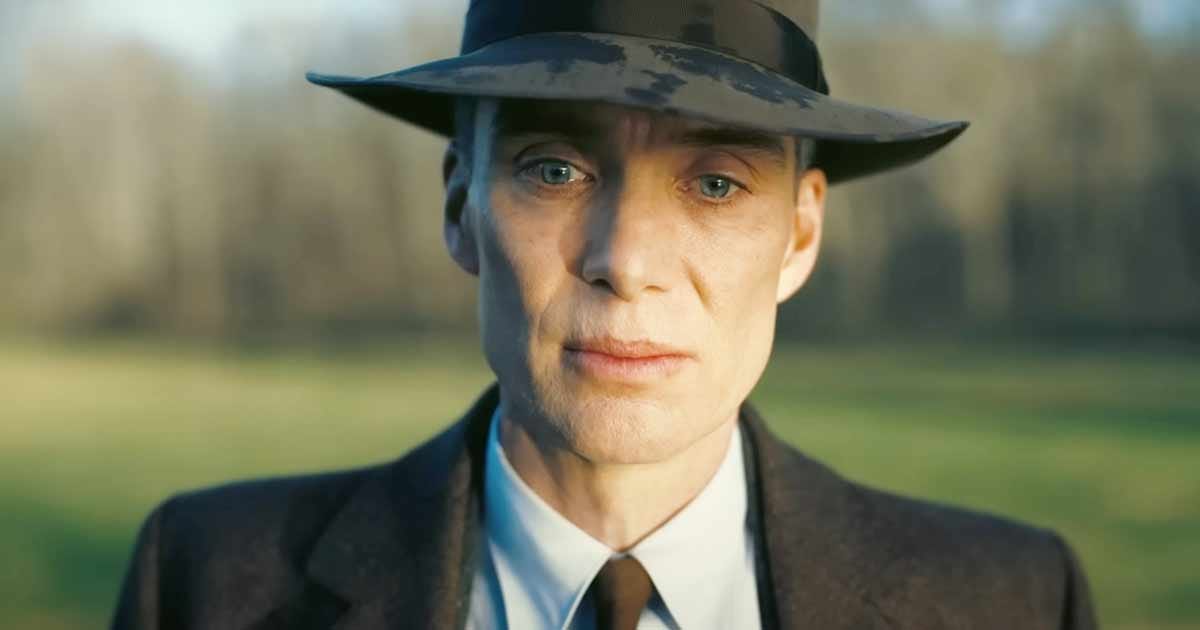
Look at Oppenheimer (2023), despite its three-hour runtime the story still feels squashed, in this case it’s because Nolan felt the need to include every single detail of the man’s life from childhood to retirement. Little of this had much relevance to the actual point of the film: the creation of the atomic bomb. More focus on this important time of his life would have allowed for greater focus on character development. Instead, despite all the biographical material, we never deeply know who he is.
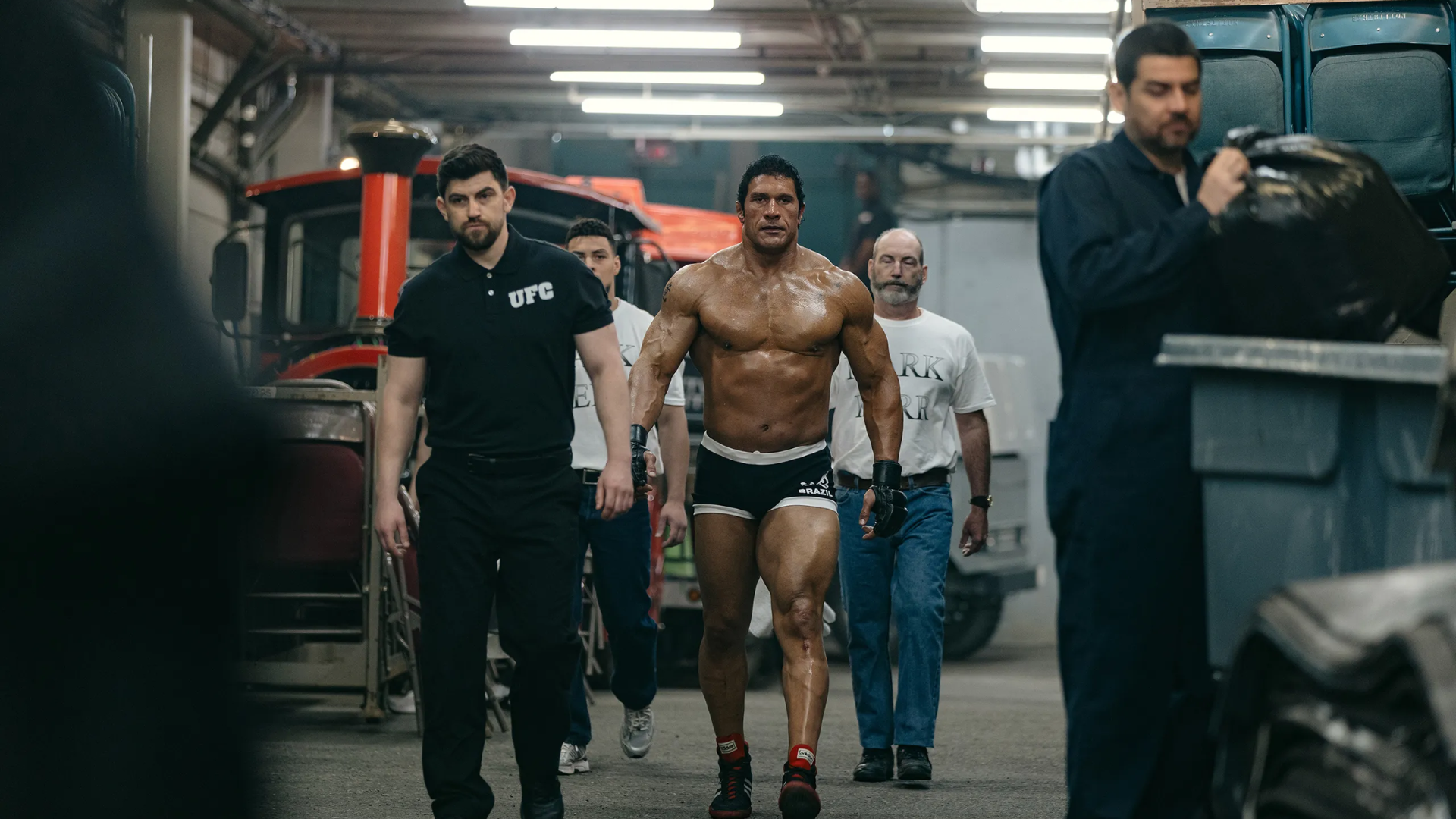
But then came this year’s The Smashing Machine (2025). It’s a film about Mark Kerr, a UFC fighter who nobody’s ever heard of. But by the end of the film, the viewer knows him closely — and that’s without following him from birth to death. The opening titles outline who Mark is, and that the film will track the course of his life over three years. It’s a refreshingly compact decision.
The shorter story span allows for real depth. Rather than showing as many life events as possible, the important ones are shown in intimate detail. We understand his emotions, his perspectives, and we sympathise with them. And it’s because all of the useless fluff is removed.
Yes, the film deserves to be criticized for it wasting the potential of Emily Blunt’s Dawn, representing her as a surface level stereotype. But in terms of presenting the protagonist, it’s raw, intimate, and personal. It’s what a biopic should be.
Bohemian Rhapsody is one of the rare occasions when a figure’s entire life can be shown, while still creating a connection between viewer and character. Usually, it’s a tedious slog which fades into mundanity. Focusing on a specific time period, like The Smashing Machine does, allows a more compelling narrative, while still telling the story of a person’s life. Future biopics, please take notes.
Words by Theo Reilly
Support The Indiependent
We’re trying to raise £200 a month to help cover our operational costs. This includes our ‘Writer of the Month’ awards, where we recognise the amazing work produced by our contributor team. If you’ve enjoyed reading our site, we’d really appreciate it if you could donate to The Indiependent. Whether you can give £1 or £10, you’d be making a huge difference to our small team.