
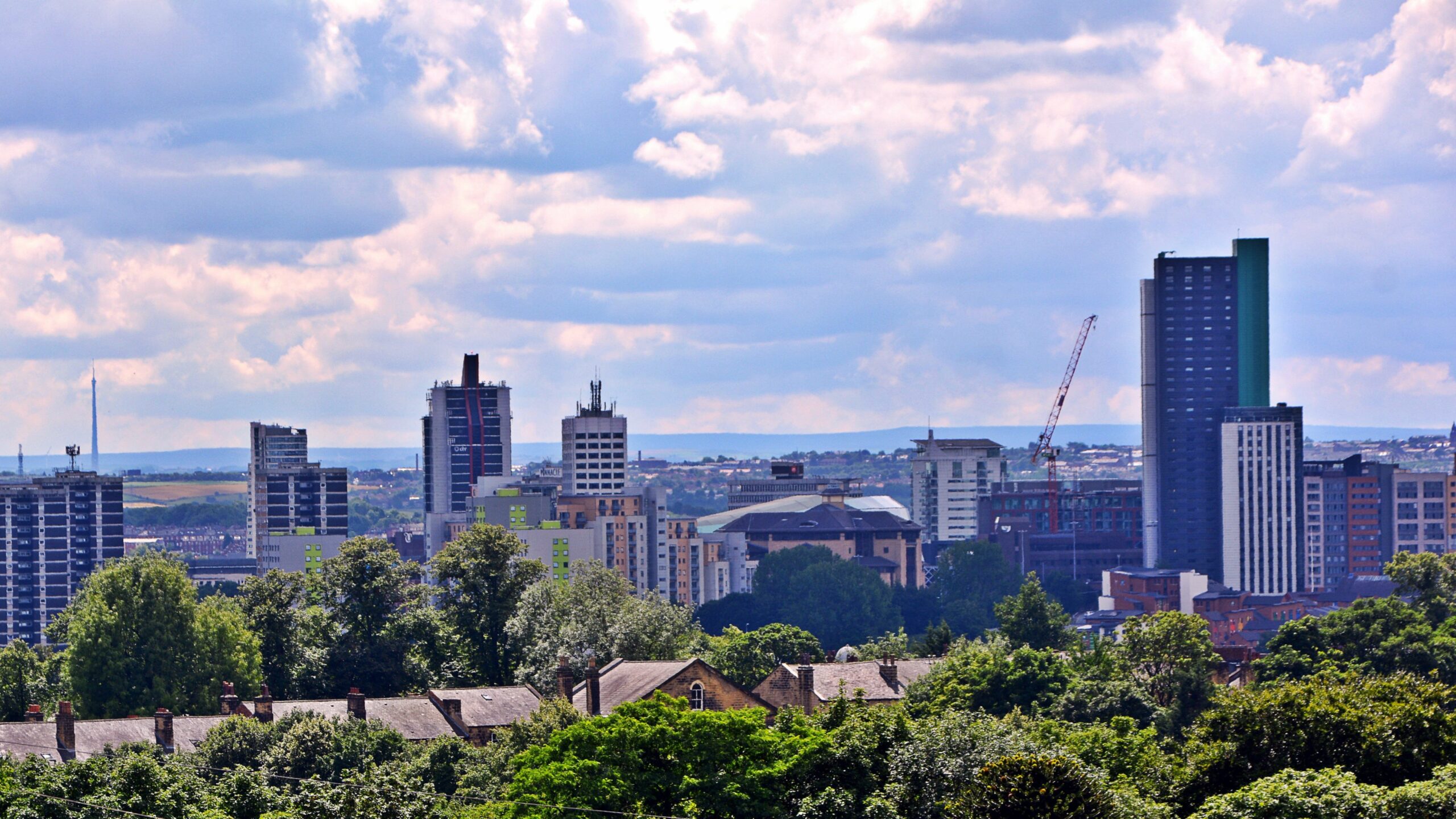
“With imagination and commitment and working together, you can change the world not only socially but economically in local communities.” That is what community activist and anti-poverty campaigner Sir John Battle said when The Indiependent recently spoke to him about poverty in Leeds. Battle shared the incredible tale of how he led a small community in Bramley that banded together, taught themselves multiple valuable business skills, and saved Leeds’ last Edwardian bathhouse from being shut down.
Furthermore, on the 24th March this year, The Indiependent attended a social justice lunch at Mill Hill Chapel. The Chapel proudly holds one of the city’s rainbow plaques, making it an exemplary emblem of both hope and social progression. A diverse range of attendees participated in group activities, such as brainstorming lists of possible fixes to issues. There was no complaining from anyone, merely stating what is and potential solutions. The informative event hosted a trio panel of anti-poverty workers from various organisations, such as StepChange, who were interviewed by Dr Paul Coleman to discuss social ills such as debt and urban poverty, and what can be done to solve them.
Dr Coleman is no stranger to the fight against poverty, having helped set up the East Leeds Repair Cafe. He is also the Faith at the Margins lead for the Leeds Church Institute, which is an entity well-known for its anti-poverty stance and mission in the city.
The Indiependent spoke with Dr Coleman about Leeds, how he sees it is faring against its struggles, and what he thinks it will take to significantly improve things for the city’s residents. He said “I think Leeds is a very complicated city, with pockets of wealth alongside pockets of poverty. Along with the rest of the UK there is a widening gap between people experiencing poverty and those who are more well off, and there is some evidence that this gap is widening faster in Leeds than in other parts of the UK. Poverty is something which affects every part of life in the city and is the responsibility of all of us to tackle, sports clubs, churches, community groups, politicians, businesses, everyone has a part to play in ending poverty and everyone stands to gain as a result.”
It is difficult to disagree with Dr Coleman. Poverty has such a collective effect on the public, and responsibility rests with individuals and communities to try and eliminate it. These inspiring examples excellently demonstrate that real power to effect positive change lies in the hands of the public, and not just in the hands of elected officials.
That is not to say that Leeds City Council do nothing to help their people. On the contrary, they do much to help those they serve. Still, due to the long vicious cycle of the UK Government cutting funding, rising additional costs and increasing population, the amount of financial support for such initiatives has severely decreased. Leeds City Council’s core government funding has been slashed, with a real-terms decrease in funding of £465.9 million, or 70%, since 2010. This means that some homelessness and poverty initiatives, such as Grace Lodge, are aiming to move away from local government funding in favour of other sources of income.
Despite all of this, Leeds is still a strong example of the power of prevention in the UK. An impressive 90% of threatened homelessness cases in the city are stopped before they happen. Currently, the local government is hard at work to reduce homelessness even further, and as they have stated “we continue to strive to get it right for the remaining 10%.”
With social initiatives like Saint George’s Crypt that provide emergency aid, as well as their own housing strategy, Leeds City Council is doing all they can to give their people as much hope as humanly possible. This strategy not only concentrates on decreasing homelessness, but also on delivering more new homes and filling up the presently empty ones by working with groups such as Leeds Empties.
Leeds City Council also supports many other anti-poverty projects both directly and indirectly. They do this through their own programs and by partnering with charities and foundations. This includes Leeds Baby Bank, who specialise in more curative measures to end child poverty by ensuring that families with young children (0–5-year-olds) have all the supplies they need to meet their child’s developmental needs. This kind of targeted collaboration with local initiatives and charities, encompassed under the council’s own strategy for tackling poverty and homelessness, is evidently achieving results.
This city has a grand plan for its future to enact great change that benefits everyone. This is known as the Best City Ambition, and it contains a strong anti-poverty focus. Currently, the town hall is being renovated to protect and maintain its heritage, with facilities inside the building also being upgraded. Additionally, the historic Victoria Hall pipe organ is being restored. This soon-to-be-completed project is a future investment both culturally and economically. The Town Hall will come to represent the kind of status and future that Leeds as a city is aspiring towards.
When Sir John Battle was asked what makes Mill Hill Chapel such a great conduit for positive change, he said “Change comes from people who are willing to listen to other people and work with them. Real deep hope is about how you work together with people to bring about change, and I think that there are many places like that chapel that are doing it.” This is the kind of rallying call you need to hear if you have ever thought about volunteering, meeting new people, and being part of the change that you (and many others) want to see. Leeds is showing the way forward. From the city’s residents to the local government, people at all levels are working together to do what one cannot achieve alone. Collective effect requires collective action. A lot of people and places in Leeds are better off for it. This is all the proof you need that positive change is possible elsewhere too.
Words by Alfie Fletcher
Support The Indiependent
We’re trying to raise £200 a month to help cover our operational costs. This includes our ‘Writer of the Month’ awards, where we recognise the amazing work produced by our contributor team. If you’ve enjoyed reading our site, we’d really appreciate it if you could donate to The Indiependent. Whether you can give £1 or £10, you’d be making a huge difference to our small team.