
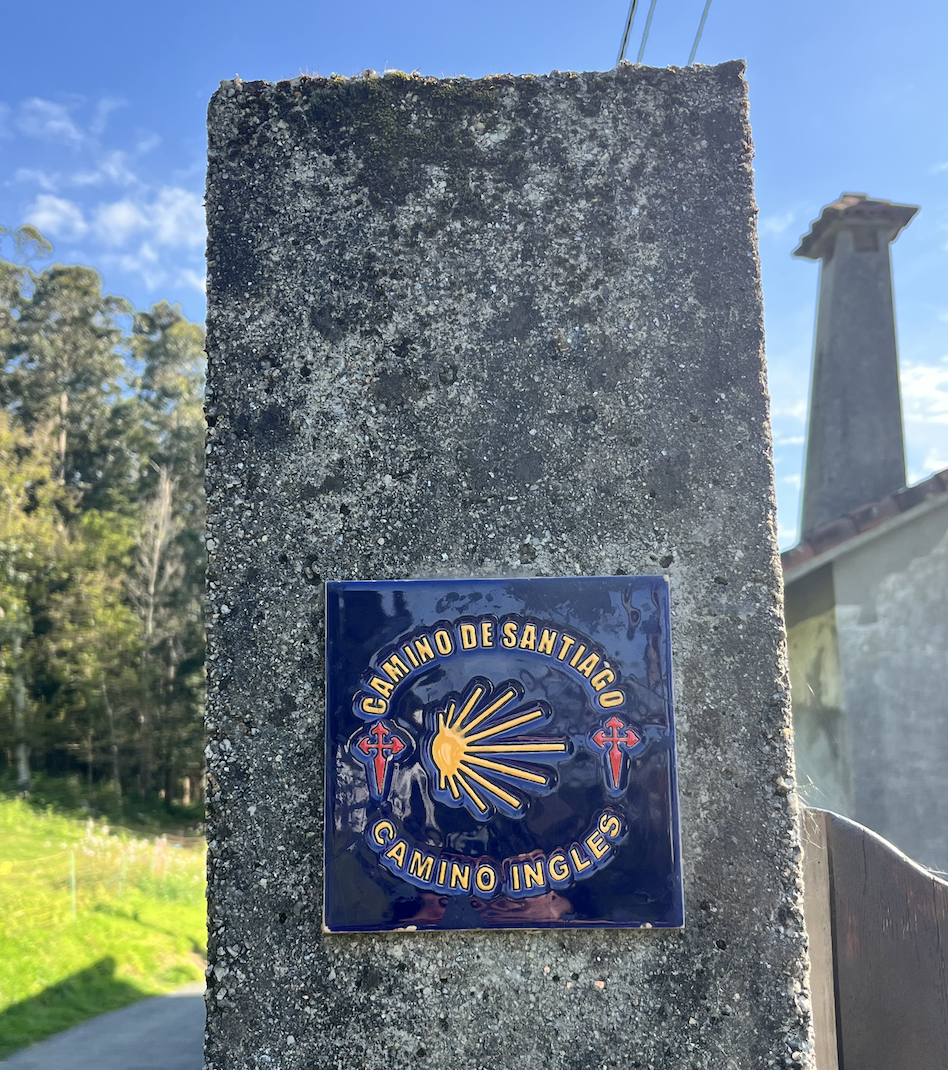
When people talk about the Camino de Santiago, they often imagine a singular path such as the iconic Camino Francés which stretches 800 kilometres over northern Spain. In reality, the Camino is a vast network of pilgrimage routes, represented by the shell symbol, where all roads lead to Santiago de Compostela.
From the rugged coastlines of the Camino del Norte to the ancient mountains of the Primitivo or spiritual way of the Camino Portugués, there’s a path for everyone. I walked the Camino Inglés, one of the lesser known and shorter routes, starting from the Galician port town of Ferrol. Just five days and around 120 kilometres, the scenic route offered simplicity, connection, and the ability to recharge.
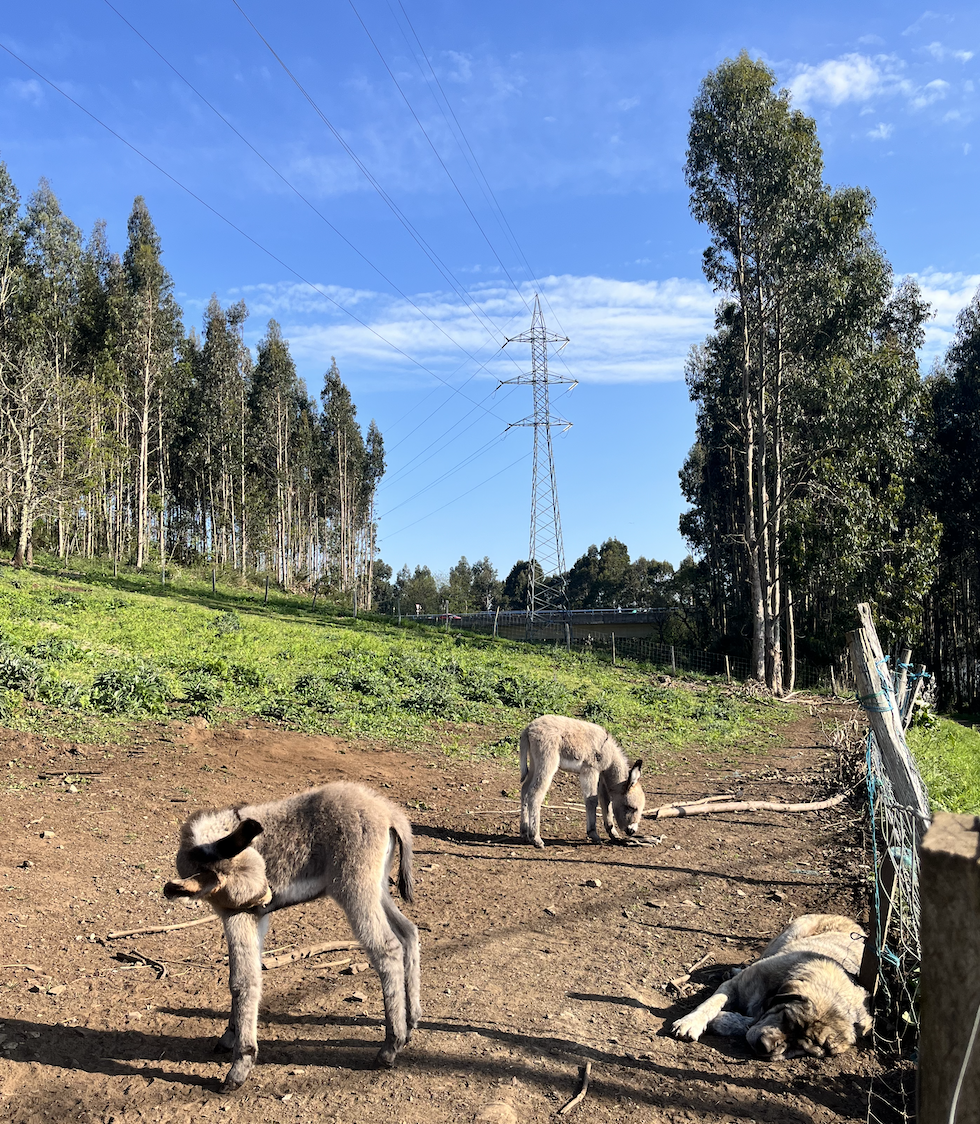
A Journey of Reflection With or Without Religion
Historically, the Camino is a Catholic pilgrimage, but nowadays, many walk it for reasons that have little to do with religion. Some are marking a life transition whilst others are simply taking time offline. For me, it was about exploration. Having lived in Galicia for the past seven months, the Camino felt obligatory, yet I ended up gaining a spatial sense of clarity I had unknowingly been searching for. It’s a sentiment echoed in the 2010 film The Way, which introduced many non-religious Brits to the Camino for the first time. Like the film’s characters, I set off without a grand plan, and somewhere along the trail, the journey took on a quiet significance of its own.
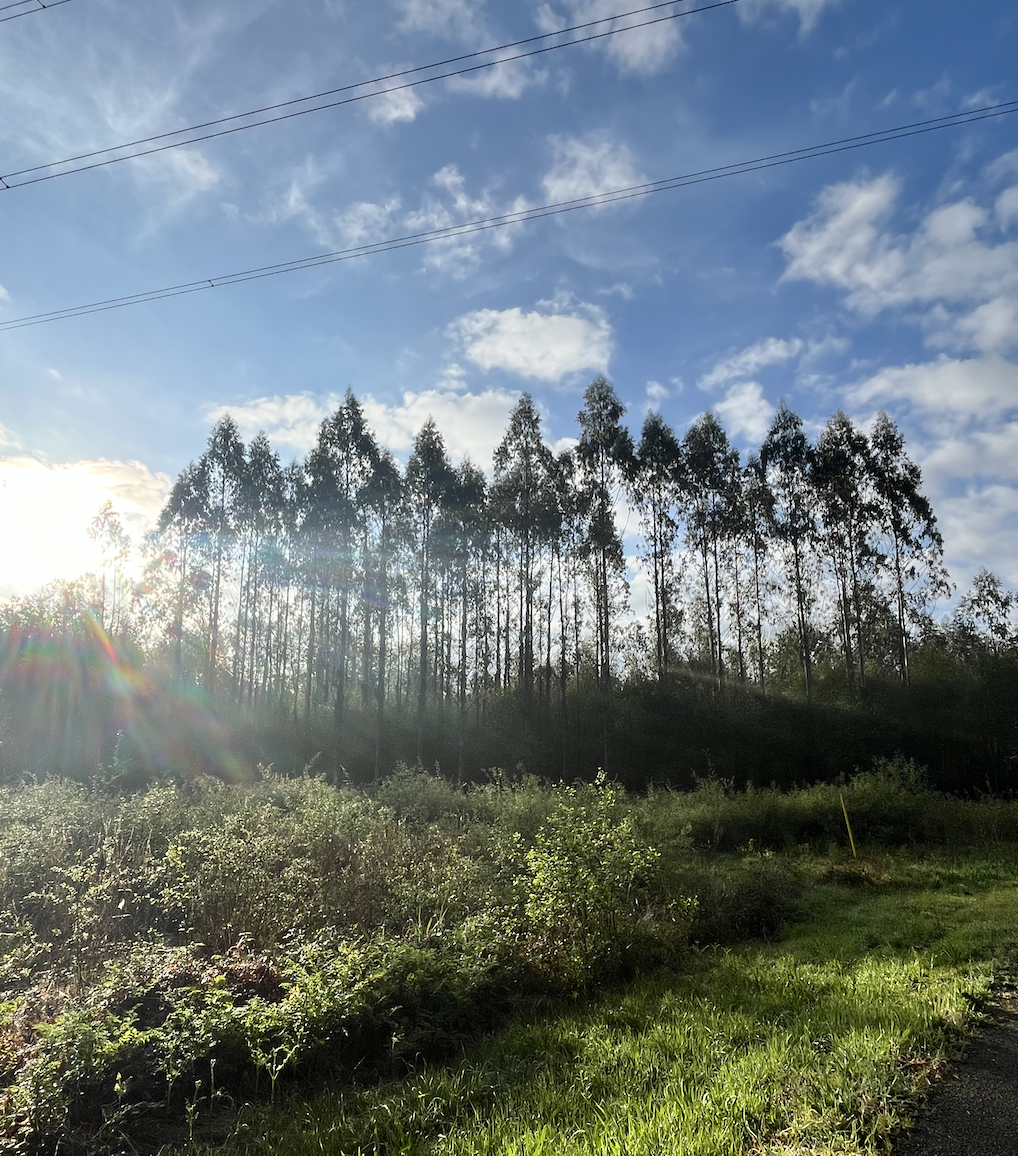
Walking the Camino doesn’t require belief in anything except the journey itself. There’s something quietly ritualistic in the act of rising each morning, lacing up your boots, and heading out into the unknown, with nothing but the essentials on your back. I found myself reflecting not just on big questions, but small joys too: the way light moved through the eucalyptus forests, how good food can taste when you’re that hungry, and the strange comfort of following yellow arrows and shells.
Safety and Sisterhood: A Welcome for Solo Women
As a solo female traveller, I was a little nervous before setting off. Would I feel safe? Would I find accommodation? What would I do if something went wrong?
What I found instead was a built-in community of fellow travellers, many of them also solo women, who looked out for each other in quiet but meaningful ways. In fact, women have become the majority, making up 53.86% of pilgrims who completed the Camino de Santiago in 2024.
I ended up meeting another solo female traveller on the first day, and we quickly clicked. Without any discussion, we walked the entire route together. That blend of independence and togetherness was perfect. We had our own paces and thoughts, but always came back to each other’s company and conversation. By the end of the walk, I’d made a friend for life.
It’s hard to overstate how empowering it is to travel this way as a woman. The infrastructure of the Camino, the wayfinding signs and towns that have grown around the pilgrim tradition, makes it feel both adventurous and incredibly supported. You’re alone, but never truly alone. That’s a rare kind of magic.
The Beauty of Simplicity
One of the greatest gifts the Camino offers is its simplicity. I didn’t book anything in advance (the municipal albergues operate on a first-come, first-served basis) and I rarely planned more than a day ahead. All I really needed was a change of socks, some blister plasters and a sense of curiosity. In a world where travel is often over scheduled or overly filtered for social media, there’s something deeply freeing about just walking. No spreadsheets or reservations. Just one foot in front of the other. Of course, for those who prefer more structure, there are plenty of private albergues and hotels that can be booked in advance.
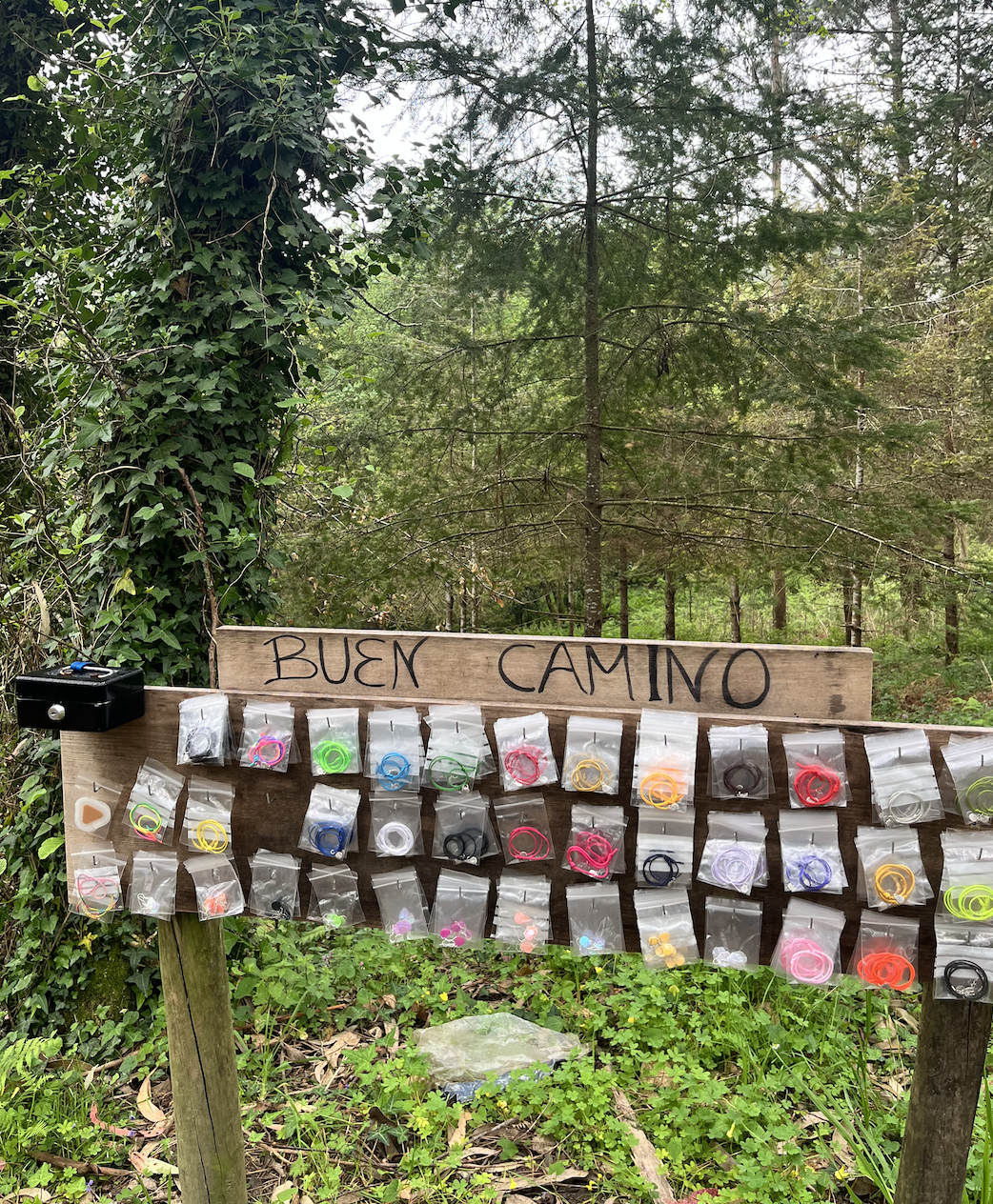
The ease of the Camino is supported by the small but steady infrastructure: regular drinking fountains along the way (even if a few were out of order), kind locals offering a “Buen camino,” as you pass by or “Aproveche” as you drink your morning coffee. There were certainly enough amenities to get by, even on the quieter Camino Inglés, which I’m told had fewer services than the more popular paths.
What struck me most was the generosity and kindness of strangers: a middle aged Dutch couple gave me sheep’s wool from their own flock to help with blisters; bottles of water were left outside homes along the route; and I had countless coffees with fellow pilgrims from across the world, including empty-nest parents, retirees and university students, people I would never ordinarily meet. An anthropologist’s dream.
That simplicity created space, for conversations, for laughter, for silence, and for noticing the small things I’d usually rush past. I came to love the rhythm of it: wake, walk, eat, rest, repeat. It became meditative in a way I hadn’t expected. Each day, my mind felt calmer, like a lake slowly settling after a storm.
A Short Route, a Big Impact
The Inglés route is often overlooked because of its brevity, but it’s ideal for anyone who wants a meaningful experience without committing weeks or months.
That’s the beauty of the Camino, there’s no “right” way to do it. Whether you have five days or fifty, you’ll find a route that fits your time, goals, and budget. And the Compostela, the official certificate of completion written in Latin, is awarded to anyone who walks at least 100 km, making routes like the Inglés especially appealing for first timers.
Why Now?
The Camino saw record numbers of pilgrims in 2023, many of whom were not religious. It’s part of a broader post-pandemic trend: people stepping back from burnout culture and rethinking what really matters. Long walks through beautiful, grounded landscapes offer something the digital world can’t: presence.
For solo travellers, especially women, it’s a way to reclaim space. To be alone without isolation, to move freely and safely, and to find strength in one’s own rhythm. In an age obsessed with “transformational travel,” the Camino quietly delivers.
You just have to walk.
Words by Tara Russell
Support The Indiependent
We’re trying to raise £200 a month to help cover our operational costs. This includes our ‘Writer of the Month’ awards, where we recognise the amazing work produced by our contributor team. If you’ve enjoyed reading our site, we’d really appreciate it if you could donate to The Indiependent. Whether you can give £1 or £10, you’d be making a huge difference to our small team.