

In 2025, the game market is overflowing with PlayStation 2 remakes. Developers have revived beloved titles like Silent Hill 2 (2001), Metal Gear Solid: Snake Eater (2004), and Resident Evil 4 (2005), among others. The question is, why are developers so focused on repurposing old games? Is it primarily to generate revenue, or is it a sincere wish to let players relive their childhood?
The PS2 Era: Building a Community
First introduced in 2000, the PlayStation 2 became a staple of home gaming. Sony introduced a new universe, enhancing the gaming experience for everyone, regardless of age. The widespread appeal of this gaming console, combined with the vast array of available games, is why the PS2 is the best-selling console of all time.
It would be wrong to reduce the device solely to its technical achievements, because the PlayStation 2 offered people a new kind of sociability. For many, a console was a luxury. It was never about playing alone in your room, but rather gathering around a TV with siblings, family, and friends. I remember sitting next to my older brother, watching him play his favourite games. It became a little ritual for us; sharing this experience bonded us. It’s just one example of the power that the PS2 held—it was a source of joy and built a sense of community.
The games made for the PlayStation 2 may feel dated today, due to their different graphics and mechanics, but the experience they offered to the players was magical. The rise in popularity of the console created a unique generation of gamers. They appreciated the games as they were, sometimes unfinished, but heartfelt.
The Business Behind Closed Doors
Today’s flux of remakes is more than nostalgia; it’s a well-thought-out economic move. On one hand, developing new AAA games can be a lengthy and costly endeavour. On the other hand, remaking beloved titles is a strategic move that involves the least monetary risk. The reasons behind that choice may be different. However, it is lucrative because this type of game already has a well-established fan base, meaning there is no need for new advertising and marketing campaigns.
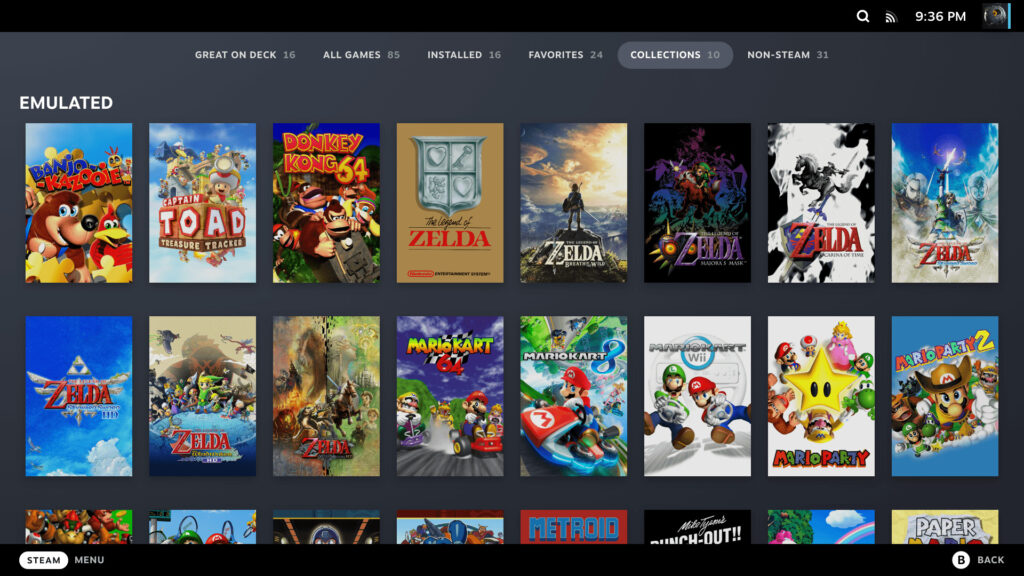
The unofficial PS2 game market has become saturated with PlayStation 2 emulators, such as PCSX2. While effective, they can be complicated to understand and use, especially for those who lack the time or technical knowledge.
This is why game developers see an opportunity and offer a solution: remakes of old games. The players who grew up on the PS2 games are now adults with disposable income. They are wistful about a time when life was simpler, emotionally attached to games that shaped their teenage years. This sentiment of “longing for something which you cannot have” has become a marketable asset for game developers.
What Makes a Good Remake?
Making a good remake is a challenge—you want to introduce a new audience to your game while giving long-time fans a taste of what it once was. One can suggest that the best remakes don’t just reskin the classics; they breathe new life into them.
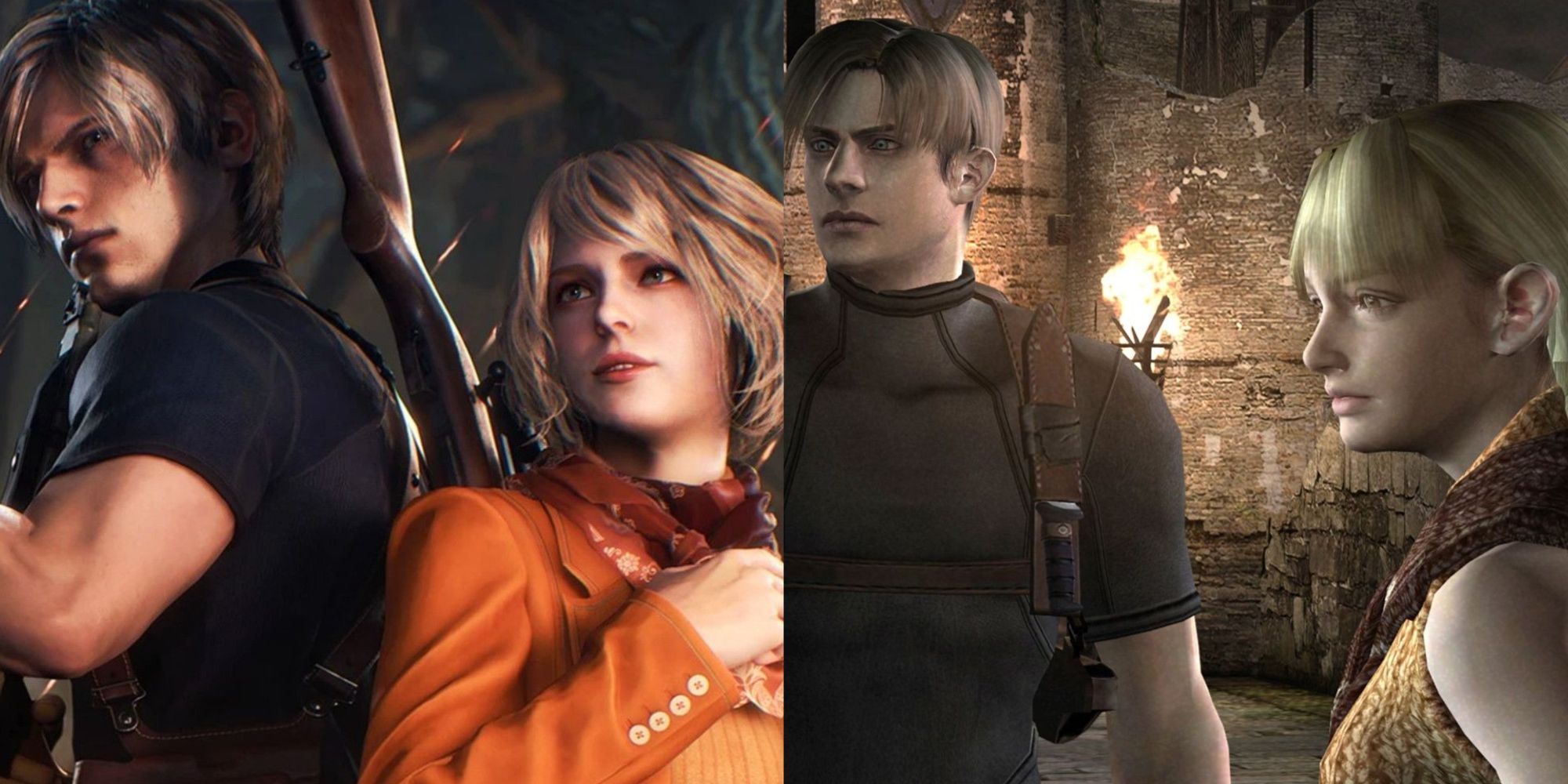
One such example is Resident Evil 4 Remake (2023). Capcom’s approach was strategically correct; they preserved what made the game iconic. The graphics, movement, and interface design were updated to match the latest games in the series. It was a conscious choice that solidified the remake’s place in the whole timeline of the Resident Evil universe. Today, Resident Evil 4 is the best-ranked remake in the franchise, and its popularity continues to grow among old and newer players.
Another remake that shook the gaming scene was Silent Hill 2 in 2024—a psychological horror experience. The original PS2 mechanics, combined with the grainy texture and the unsettling nature of the fog, made that game so captivating to gamers. Remaking such a celebrated game proved to be a risk, because optimising the graphics could mean losing the surrealism of the original, ergo losing the credibility of the entrenched audience.
Both remakes sparked debate among critics and players. Every game is subject to criticism, especially those that get a remake. This is why, for this market to continue its existence, the publisher needs to get it not just right, but perfect.
Preservation or Profit?
If the publishers are remaking every classic for a new generation of players, are they actually preserving gaming history or just exploiting past successes?
The generation that grew up playing PS2 games is now older and has disposable income. This can be seen as a signal for game developers to price their games sometimes at absurdly high prices. These prices raise many uncomfortable questions for players. If preservation was the goal, why do so few include the original version alongside the remake?
Most remakes launch with prices above £50, with deluxe or premium editions pushing closer to £80. The latest remake, which should release on 28 August 2025, Metal Gear Solid Delta: Snake Eater is priced at £70 for the standard version of the game—the price tag drew criticism for its inflated nature.
While mainly focusing on reanimating games from the PS2 vault, Capcom recently showed they can do more than that with their latest Resident Evil 9: Requiem trailer. They are finally turning the page and taking risks. Refusing to go back to nostalgic gaming, Capcom offers its players a breath of fresh air. This may be where we will see this remake frenzy start to end.
Remakes are a profitable market that reflects the human desire for the comfort of what is familiar. These games offer beautiful moments that take the player back to a different time, even just a little bit. This sentiment presents an opportunity for game developers to increase their revenue, and for successful remakes to deliver what players truly desire. As for the gaming industry, the creativity put forward by young, aspiring workers should matter more than the refurbished past. As illustrated by the example of a company that offers both old and new stories, one should always strive to find the right balance.
Words by Ecaterina Vasiloi
Support The Indiependent
We’re trying to raise £200 a month to help cover our operational costs. This includes our ‘Writer of the Month’ awards, where we recognise the amazing work produced by our contributor team. If you’ve enjoyed reading our site, we’d really appreciate it if you could donate to The Indiependent. Whether you can give £1 or £10, you’d be making a huge difference to our small team.