
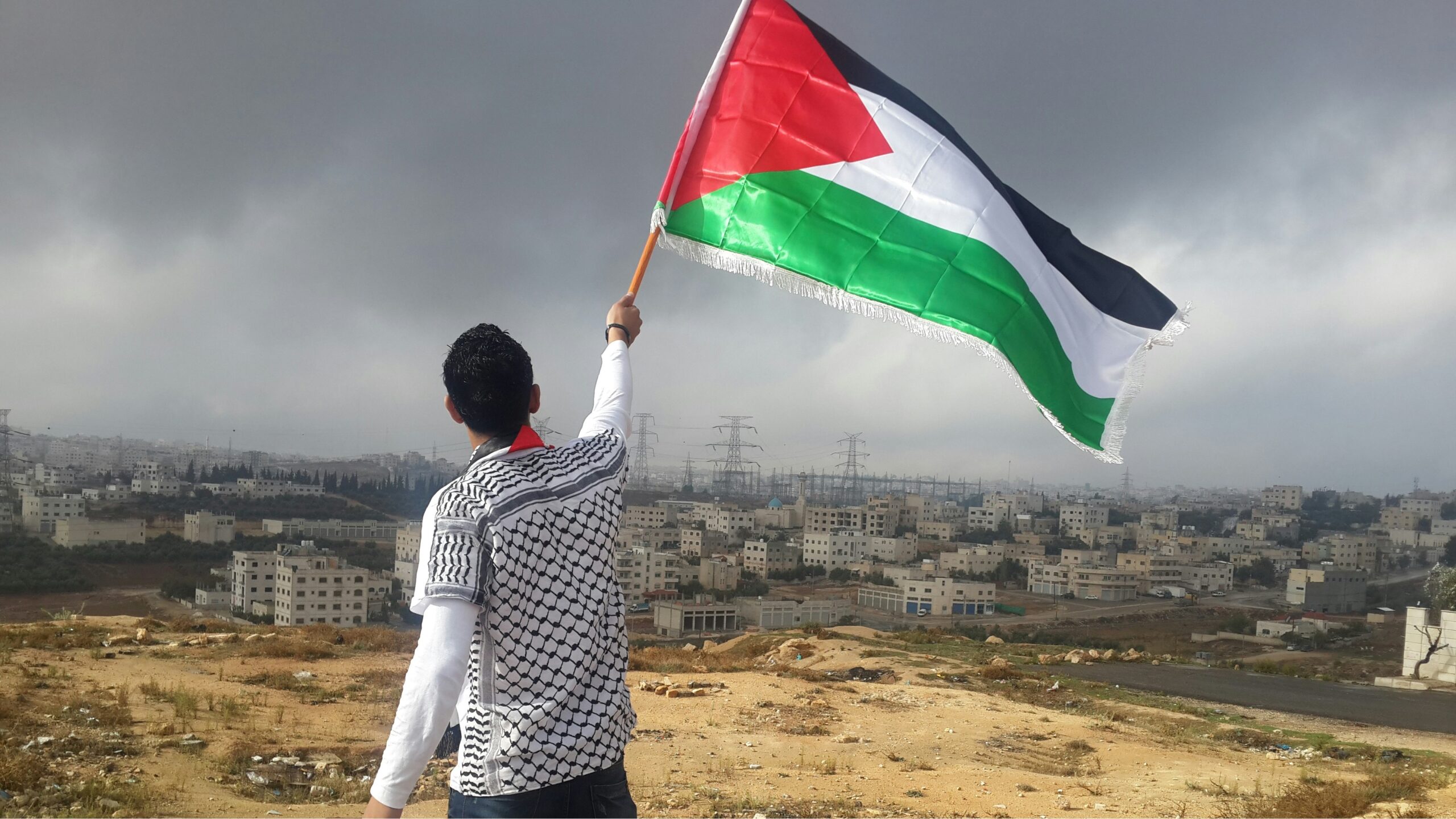
Every year, Worthy Farm readies over one hundred stages and hosts over 200,000 people as part of the Glastonbury Festival in June. This year, the festival has been receiving wide criticism over chants from the duo Bob Vylan calling for “death, death to the IDF” (the Israeli Defence Force) in direct protest over the ongoing genocide in Gaza. Bob Vylan are now being investigated by the police for potential criminal acts, and several of their shows have been cancelled following their Glastonbury set. Is potentially prosecuting artists who speak in defence of Palestine warranted, or is it another way to manipulate public opinion of the conflict?
Palestinians in the occupied territories of Palestine have been struggling for decades, living under an occupation that goes beyond the events of 7th October, 2023. To be exact, Jewish emigration to Palestine, driven by Zionist ideology, began in the 1880s. Despite restrictions by the then-ruling Ottoman Empire, Zionists who believed that taking over Palestinian land was their birthright continued flooding in. Under the British mandate of Palestine, following the British conquest of the land in 1917, the Zionist takeover of Palestinian lands continued. Since the first Nakba in 1948, when approximately 750,000 Palestinians were forced to flee, the occupation of lands by Israel has only continued to grow despite the settlements being illegal under international law.
While the history of Palestine and the formation of Israel is long and often described as ‘complicated,’ Palestinians living under Israeli rule are subject to brutal forms of oppression, from restrictions on movement and border control to blockades on aid. Militarily, Israel is recognised as having one of the world’s most advanced armies, while politically, Israel is represented and backed by global powers. Not only has Israel waged several wars on Palestine and other Arab countries in the past, but a study published via Harvard Dataverse suggests that there are over 300,000 Palestinians who are unaccounted for in Palestine nearly two years since Israel’s response to the 7th October attack.
People have been calling for the end of the occupation for decades. In 2003, Rachel Corrie, an American pro-Palestinian activist, was killed by an Israeli bulldozer while protesting against the demolition of houses in Gaza. That same year, Welsh filmmaker James Miller was shot dead by Israeli soldiers while recording footage for a documentary in Gaza. More recently, supporters and activists alike have been calling for defunding the Israeli army and for the end of the genocide in Gaza. This has manifested in the form of global marches and aid campaigns, while people with influence have tried to use their platforms to raise awareness. The Weeknd has reportedly donated $2.5 million in aid to Gaza. Meanwhile, thousands have marched in solidarity in cities worldwide, from London to Paris, Athens, Madrid, Istanbul and others.
At Glastonbury, many artists showed their support for Palestinians in different ways. Jade Thirlwall chanted with the audience against the UK government for its justification of the genocide in Gaza. Irish rap group Kneecap, whose performance was not shown live by the BBC, also chanted for a “free Palestine.” Punk duo Bob Vylan, on the other hand, chanted “death, death to the IDF,” following a speech in support of Palestine, and had large swathes of the crowd joining in. The speech and the chant both sparked controversy, leading Glastonbury organisers to issue a statement denouncing the set, while Prime Minister Keir Starmer strongly condemned the chant, calling it “hate speech.”
When taken out of context, the chant can be interpreted as violent. The next day, Bob Vylan released a statement saying “we are not for the death of Jews, Arabs or any other race or group of people. We are for the dismantling of a violent military machine.” The duo tried to clarify that they meant death to the ideological and military apparatus that facilitates genocide, rather than death to individual members of said apparatus. Even so, international media and public figures jumped at the opportunity to scrutinise Bob Vylan for their stance, without considering that on that same day, the same military entity had killed over 60 Palestinian people. Across the three days of the festival, 600 Palestinians in Gaza were killed.
Other celebrities have also been scrutinised for their stance in support of Palestine, such as Wednesday star Jenna Ortega and Academy Award winner Susan Sarandon, who was dropped by her talent agency for attending pro-Palestine marches in the USA. Meanwhile, Israeli soldiers have been documented on TikTok and other social media platforms playing with Palestinian women’s intimate clothing found in bombed homes, yet these actions do not draw the same level of high-profile condemnation or calls for accountability. While the pro-Palestinian chant ‘From the River to the Sea’ has been banned in some countries, an Israeli soldier openly admitted in an interview that Palestinian civilians are killed arbitrarily.
Meanwhile celebrities like Gal Gadot, Noah Schnapp and Amy Schumer, who have used their platforms to show support for Israel, are neither silenced nor condemned. Rather, they are paraded on news outlets, while pro-Palestinians are silenced. Despite that, Noah Schnapp’s video ‘Zionism is sexy’ and Amy Schumer’s initial response to the events of October 7th (which accused some Western media outlets of “blaming Israel” without fact-checking) were both heavily criticised by fans online. Yet both escaped any significant repercussions. While one side faces severe professional and social repercussions for words of protest, the other operates with near-impunity for supporting actions that violate human dignity and international norms.
This systematic silencing of pro-Palestinian voices, whether through direct censorship, employment termination, or public smear campaigns is one that has touched celebrities and the general public alike. It’s not only a form of suppression, but part of a broader plan to control the narrative. Citizen and independent journalists continue to shed light on the truth behind Israel’s atrocities, while many artists continue to publicly condemn the war and its effect. Meanwhile, documentaries such as Louis Theroux’s investigation of “religious-nationalist Israelis” continue to highlight the truth behind the mindset, ambitions, and bias of some of Israel’s arguably most zealous citizens.
In an era of increased access to knowledge and increased public awareness, both artists and the general public face a choice between complicit silence and choosing to break the cycle. Choosing to amplify the voices of the oppressed, and call for greater accountability of those deciding who lives and who dies. Bob Vylan are not the story. Palestine is.
Words by Tala Ladki
Support The Indiependent
We’re trying to raise £200 a month to help cover our operational costs. This includes our ‘Writer of the Month’ awards, where we recognise the amazing work produced by our contributor team. If you’ve enjoyed reading our site, we’d really appreciate it if you could donate to The Indiependent. Whether you can give £1 or £10, you’d be making a huge difference to our small team.