
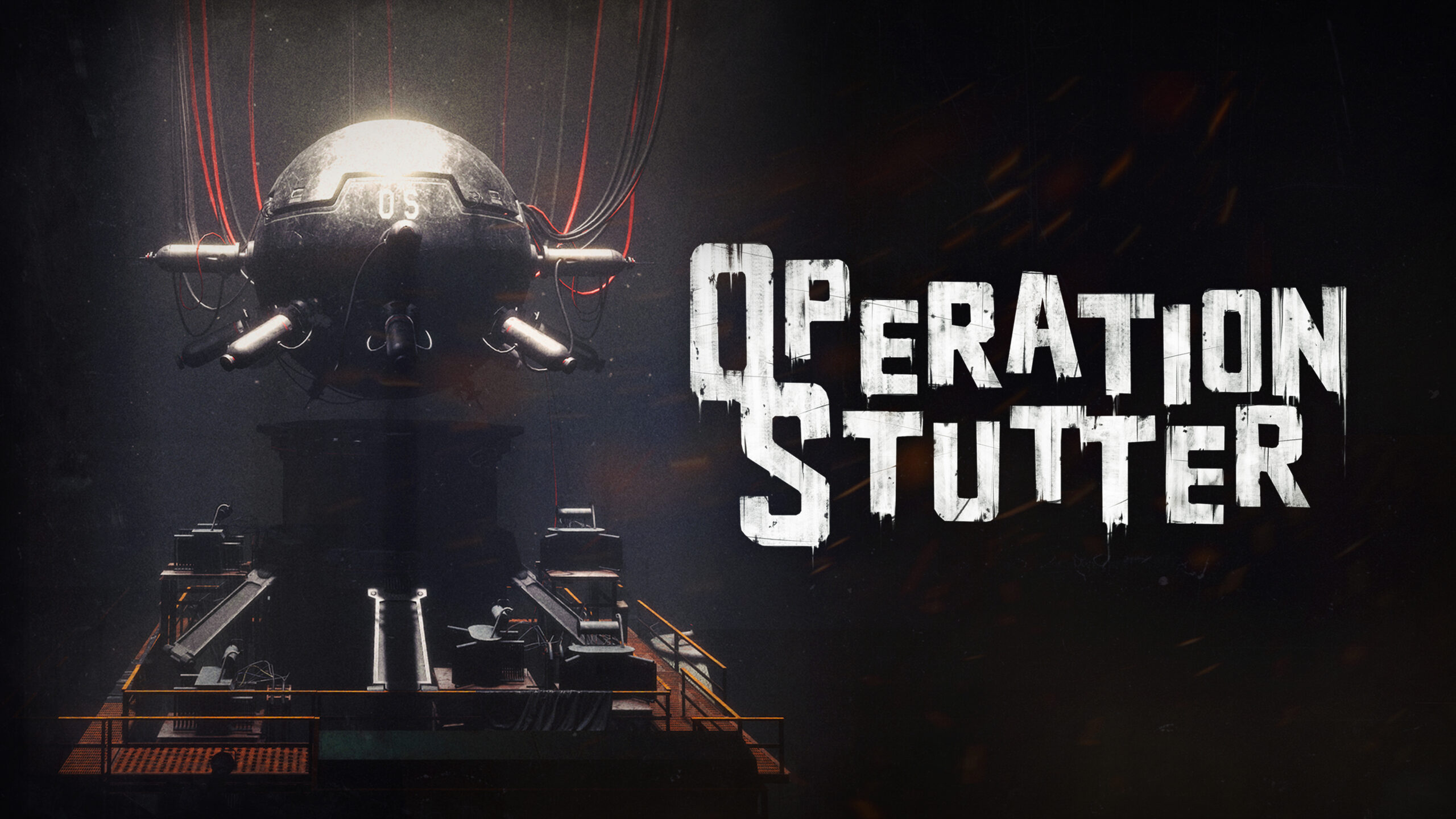
In the suffocating silence of a Cold War bunker, shadows whisper, memories fracture, and paranoia seeps through the concrete walls. Operation Stutter, an upcoming first-person psychological horror, plunges players into a cinematic descent where reality and delusion collide. Armed with only a film camera, you’ll navigate shifting environments brimming with retro Cold War aesthetics, uncover a classified operation, and confront the creeping dread that lurks just beyond perception.
Behind this ambitious project is Kevir Entertainment, the first independent game studio to emerge from Kurdistan. Founded with the aim of bringing Kurdish creativity onto the global gaming stage, the studio represents not just a new voice in psychological horror, but also a historic milestone for a region with stories rarely told through this medium.
In this exclusive interview, The Indiependent spoke with Art Director Haron Younis, who takes us inside the making of Operation Stutter — from the inspirations that shaped it to the ideas driving this chilling descent into fear.
Gamescom 2025 was the big debut for Operation Stutter. Take me back—what was running through your head as the trailer rolled, and how did it feel seeing the audience react live?
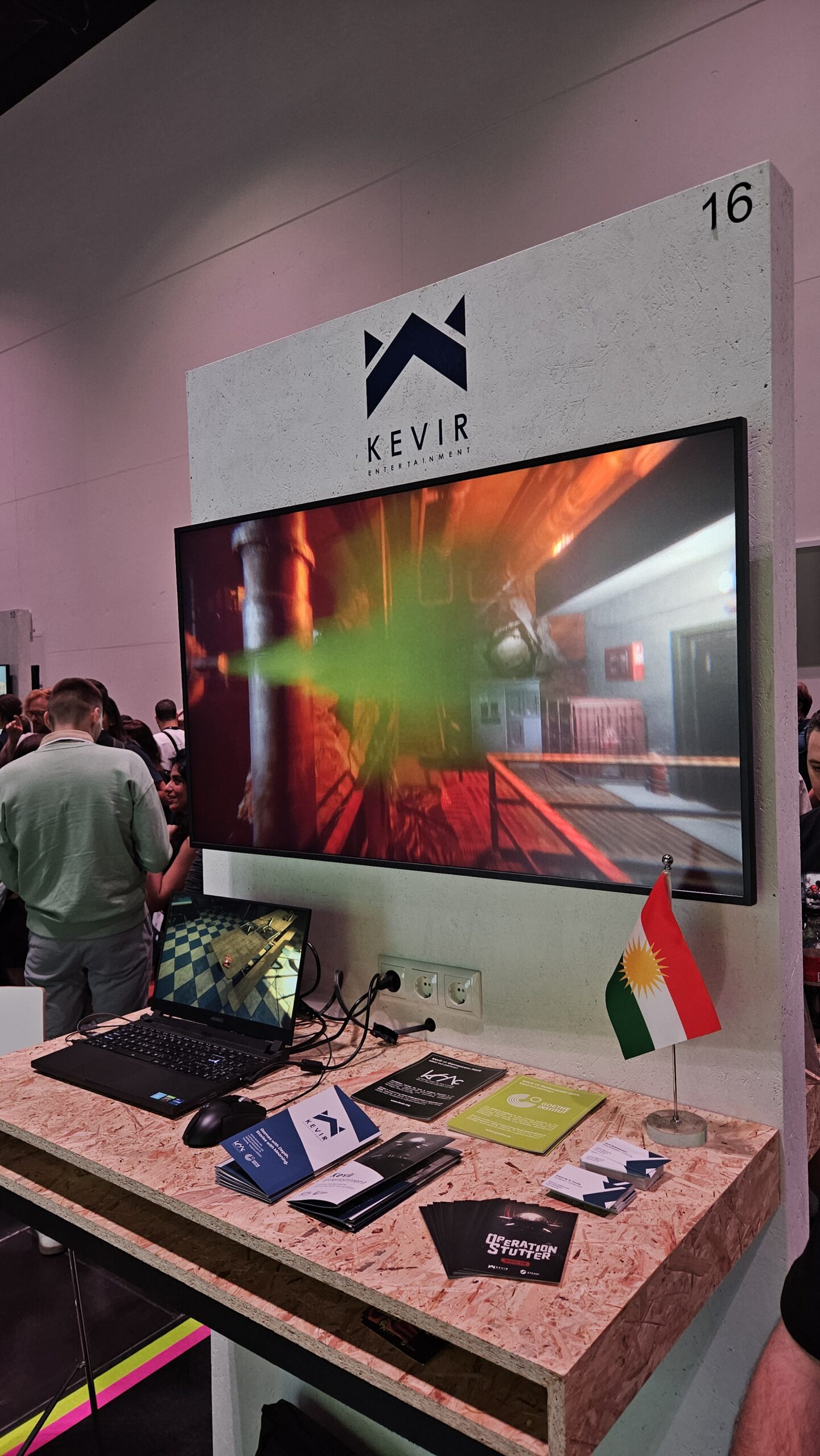
We’ve been working on Operation Stutter for over two years, and up until Gamescom, we hadn’t shown much of it publicly. So when the trailer premiered exclusively with IGN and we finally had it playable at our Devcom booth, there was definitely a mix of nervousness and excitement. You never really know how people will react until the moment comes.
Thankfully, the response was overwhelming. Players who tried the game at our booth really connected with it, and we had the chance to engage with industry leaders, developers, and publishers who showed genuine interest. Since then, we’ve been receiving messages from excited horror fans, which has been incredibly motivating for the team.
Were there moments from that reveal that really stood out—or reactions from the crowd that surprised you?
One highlight that stood out was our connection with Unity. They discovered the game at Gamescom, reached out to learn more, and have since featured the trailer on their channels. We’re now in conversations with them about ways to collaborate further. Moments like that remind us how important and rewarding it was to take the leap and showcase the game on such a big stage.
Before we dive in, can you introduce the team behind Kevir, and tell us what inspired you to start making games in a region with little industry presence?
Kevir was founded by four people. I’m Haron Younis, Art Director, with a background in concept art. Nabaz Sali, our Creative Director and 3D artist, is the mastermind behind Operation Stutter. Sihad Ahmed, our developer and lead programmer, brings incredible creative problem-solving skills to the table. And Herish Tawfeeq, our Producer and head of operations, is also a cultural researcher—a walking encyclopedia of heritage from our region.
Beyond the core team, we’re fortunate to collaborate with talented individuals like Hasan Ahmed, Nooruldeen Mustafa, Khonav Piro, and Shevyar Masoud, whose contributions help bring our projects to life.
At the core, we’re all gamers. We grew up inspired by the worlds, stories, and emotions that games can deliver, and that shared passion for storytelling, cultural heritage, and impactful entertainment naturally brought us together. Coming from a region that is rarely represented in games also pushed us to take matters into our own hands—to start telling our own stories through the medium we love.
Of course, the lack of an established industry in our region presents real challenges. But at the same time, it motivates us to pave the way—not just for ourselves, but for the many young talents in Kurdistan and Iraq who are eager to create games and share their own voices.
With almost no local support, what were the toughest hurdles in getting this project off the ground, and which moments kept you moving forward?
One of the toughest hurdles has been the absence of funding or infrastructure dedicated to game development in our region. There are no established pipelines, grants, or publishers supporting studios in Kurdistan. Despite that, we managed to secure some initial support that allowed us to set up the studio and fund the demo of Operation Stutter—including the Orange Corners Innovation Fund, IoM’s EDFI Fund, and the Invest My Idea program from Ideas Beyond Borders and the Rwanga Foundation.
Beyond funding, the lack of an industry meant we had to build everything ourselves—relationships, knowledge, and opportunities. What kept us going was determination, passion, and the belief that meaningful games can come from Kurdistan. A turning point was when we began connecting directly with the international games industry at events like Gamescom and Devcom, which showed us that our work resonates globally and gave us the momentum to keep pushing forward.
You’ve called making Operation Stutter ‘a kind of resistance.’ Can you unpack that—what does it mean personally, and how does it shape the kinds of stories Kevir wants to bring into games?
When I say Operation Stutter is “a kind of resistance,” I mean our determination to create and release a high-quality game from a region that has long been overlooked, underrepresented, and often misrepresented in the global industry. Simply making this game and putting it on the world stage is an act of pushing back against invisibility.
We come from a place considered the cradle of human civilization, yet our stories and heritage rarely find their way into global entertainment. In particular, Kurdish culture—shared by more than 50 million people—is still absent in games, despite being rich with oral traditions, music, myths, and fantastical creatures. Through our various projects, we want to bring those narratives into the spotlight.
Fascinating! Is that how the idea for Operation Stutter first came to life? What inspired you to explore psychological horror, especially the Cold War paranoia for your debut?
The idea for Operation Stutter grew out of our long-standing love for psychological horror—both in games and in film. It’s a genre that has always fascinated us because it doesn’t rely on jump scares, but on atmosphere, paranoia, and the unsettling aspects of the human mind. The Cold War felt like the perfect canvas for that. It was a period when the threat of nuclear annihilation was very real—and, sadly, still feels relevant today. The idea that life on Earth could end in an instant is both terrifying and important to reflect on, which is why it became a core theme of Operation Stutter.
At the same time, the era offers incredibly rich visual material: brutalist architecture, secret bunkers, propaganda posters—all of which fuel a world that feels oppressive, surreal, and uniquely suited to the kind of horror experience we wanted to create.
I have to say, watching the trailer, the bunker really felt alive—almost like a claustrophobic character in its own right. How did you approach designing it that way?
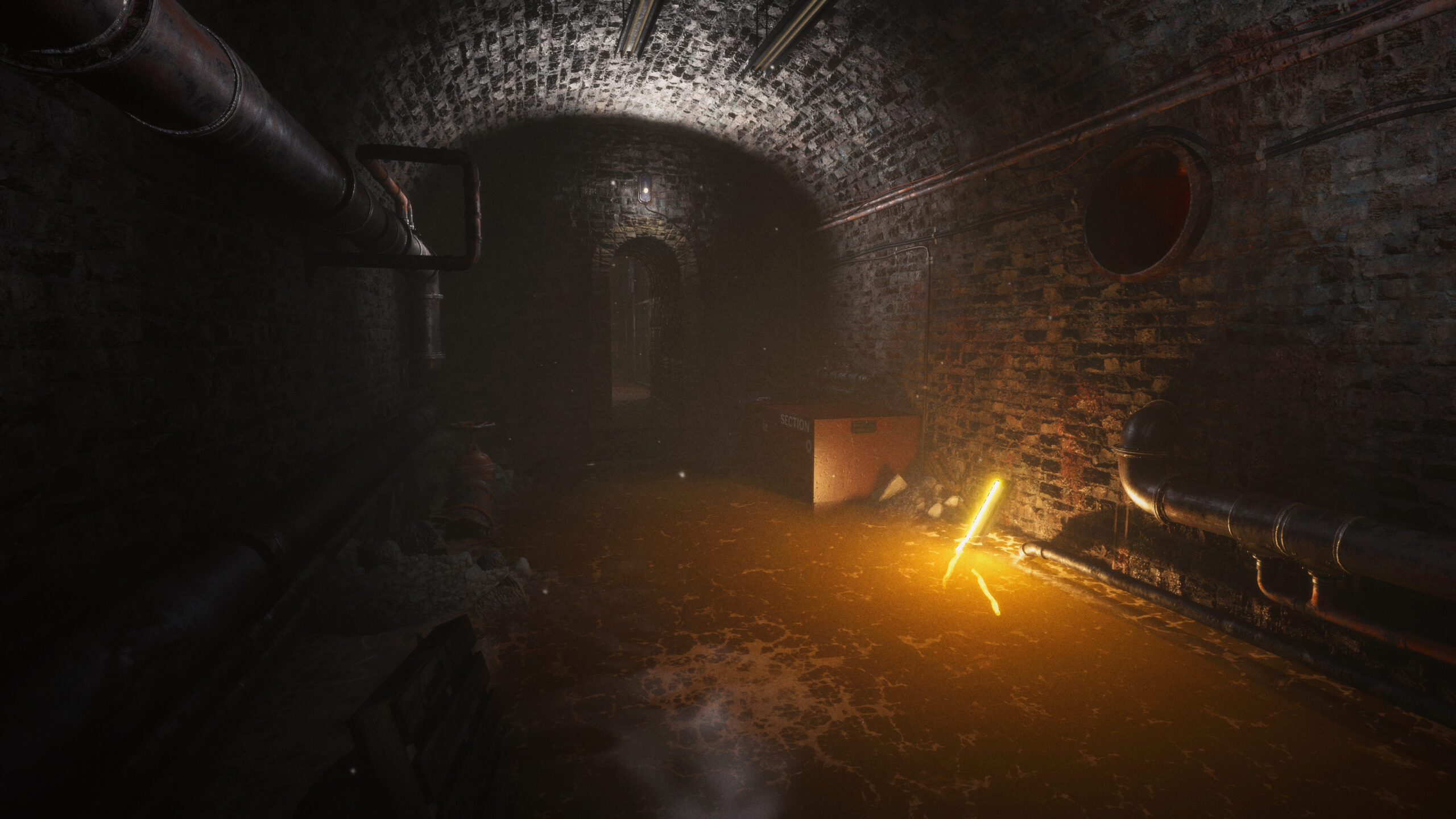
That’s absolutely true—and without giving too much away, I can say the environment in Operation Stutter is very much a character in its own right, both metaphorically and, perhaps, even more literally. That choice grew naturally out of the game’s narrative, though we can’t reveal too much at this stage. What we can say is that the bunker isn’t just a backdrop. Its shifting, almost living qualities are designed to heighten the sense of dread and confusion—disorienting the player, blurring the line between reality and hallucination, and ultimately amplifying the psychological impact of the experience.
That’s intriguing. Another mechanic that really caught my attention was the film camera—it almost feels like a second set of eyes. How does it shape the way players explore the game?
Yes! The film camera is more than just a core mechanic—it’s almost a companion for the player. Without giving too much away [at this stage], it serves multiple purposes: it allows you to document your journey, illuminate dark corners, and, most importantly, it might reveal horrors that the naked eye can’t perceive. That duality—what you see versus what the camera reveals—adds a layer of tension to exploration, puzzle-solving, and narrative discovery. But there’s a catch: film is scarce, and every shot matters.
Can you walk us through your design choices—how you integrated sound, visuals and environmental storytelling to create slow-burn dread, and how those ideas shaped the gameplay mechanics?
When we set out to develop Operation Stutter, we had a clear sense of what we wanted to build: a strong narrative rooted in themes of identity, paranoia, and nuclear war, supported by striking visuals and atmosphere. But much like the shifting environments within the game itself, the project began to take on a life of its own. Along the way, it demanded changes—new narrative beats, added mechanics, and unexpected directions we hadn’t planned for. Our philosophy was to embrace that evolution, as long as we stayed true to the core idea, remaining open to discovery while mindful of the realities of being an indie studio.
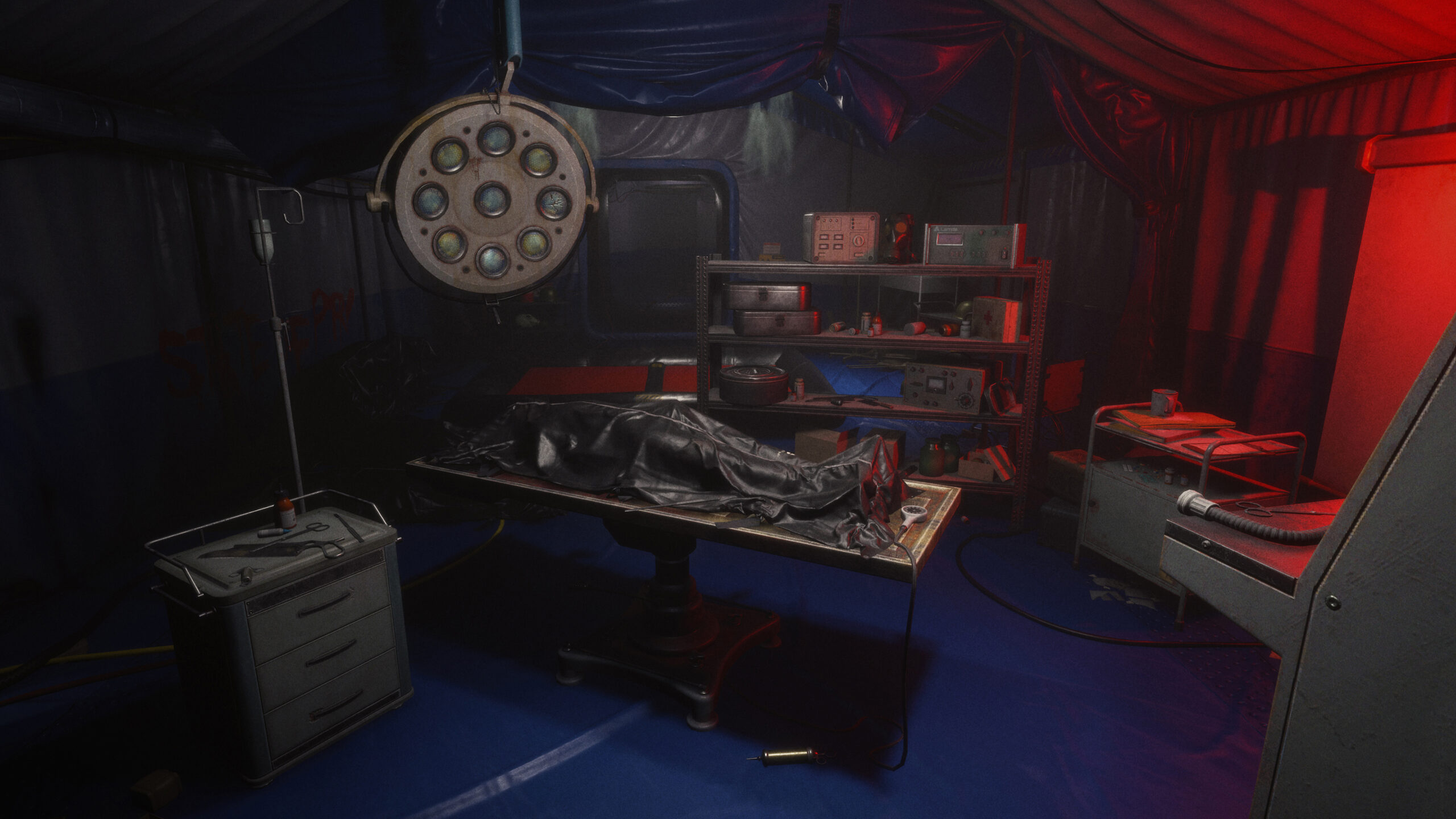
In terms of design, we drew heavily from the cinematic language of arthouse cinema to establish a distinct visual style. The Cold War aesthetic gave us a wealth of material: secret research bunkers, abandoned depots, colossal industrial machines, decontamination zones, brutalist architecture, and even period-specific art styles. These references shaped environments that are diverse yet cohesive, unified by atmospheric lighting and layered visual effects.
Sound has been just as critical. Psychological horror lives and dies by its soundscape, so we’ve invested heavily in this aspect—from the hum of industrial machinery to the wail of sirens, the distortion of radio signals, and even the protagonist’s strained breathing when confronted with something surreal. Each element is meticulously crafted to heighten immersion. Music will also play an important role—not just as background, but as a way of deepening the emotional weight of the experience and underscoring the sense of dread.
Mechanically, everything feeds back into the narrative: puzzle-solving tied directly to progression, tape recordings that expand the story, and, of course, the film camera, which acts as both a tool and a lens into hidden truths. There’s also combat, though it is deliberately restrained. It isn’t about power fantasies—it’s a desperate measure, something to be used sparingly, which reinforces the tension rather than relieving it.
In the end, all these elements—sound, visuals, mechanics—converge to serve the themes and build a slow-burn psychological horror that unsettles players not with jump scares, but with an atmosphere that lingers long after they put the controller down.
Thanks for those detailed insights. Were there any storylines or mechanics you had to drop along the way as well—or unexpected ‘happy accidents’ that ended up shaping the final game?
Most certainly. As I mentioned earlier, the game has changed quite a bit from its first draft to where it is now. Some important aspects of the narrative shifted as we refined the story, and a number of mechanics were added later on when it became clear the game demanded them—most notably the inclusion of combat.
The design also evolved alongside the narrative. Entire locations, environments, and assets had to be created or reworked to support those changes. And honestly, we don’t expect this to be the last time—iteration is part of the process, and we’re open to continuing to adjust and discover as production moves forward.
Since AI is such a hot topic in game scene right now, I’m curious—did you experiment with it at all? And more broadly, do you see it as empowering for small studios or disruptive to creative voices?
We believe AI will have a substantial impact on our industry—just as it already has in many others—and we’re watching its evolution closely. That said, we’ve made a conscious choice to refrain from using it for creative work like visual assets or narrative writing. For us, those areas are about human expression, and we place a lot of value on originality and authorship.
Where we have found AI useful is on the technical side, particularly in helping us speed up certain coding processes. Game engines themselves are starting to integrate AI in ways that make development more efficient, and that’s something we see as genuinely empowering for small studios like ours. In the long run, we believe AI has the potential to help smaller teams build more ambitious projects—but only if it’s used responsibly, in a way that supports creativity rather than replaces it.
What gaming, cultural, or other influences helped shape Operation Stutter?
There have been many sources of inspiration that shaped Operation Stutter in different ways. On the gaming side, titles like Outlast, Land of the Dead, MADiSON, and Resident Evil influenced everything from atmosphere to mechanics. In film, works such as The Platform, 10 Cloverfield Lane, Waking Life, and Memento inspired the tone, narrative structure, and even some of the visual language of the game.
But beyond games and cinema, we’ve also drawn from cultural memory and lived experience. Coming from Kurdistan—a place shaped by conflict, resilience, and a long tradition of oral storytelling—has deeply influenced how we think about paranoia, identity, and survival. Even though Operation Stutter is set during the Cold War, the emotions it explores are universal, and that cultural lens helped us give the game its unique voice.
This sounds fascinating—we can’t wait to dive into the game’s visuals. Did streaming trends or virality influence its design, or did you focus on creating the experience on your own terms?
We set out to make a game that we ourselves would want to play. Operation Stutter is our creative expression, and we trust it will find the right audience—people who are looking for this kind of experience. Because at its core the game carries a very human story, we felt it was important to stay honest and laser-focused on communicating that vision, rather than bending to external pressures of chasing something “viral.”
For us, success means reaching the players who will truly connect with the game—to move, inspire, and entertain them, just as we’ve been inspired by so many great games ourselves. At the same time, success also means building meaningful relationships with publishers, artists, and fellow developers, and ensuring the project is financially sustainable. That way, Operation Stutter can become a foundation that allows us to keep creating more games in the future.

Looking ahead, what’s next for Operation Stutter—any release plans, updates, or even potential DLC and new projects?
Now that the game has been revealed, we’re fully back in production. The next step on our roadmap is to showcase more gameplay in the coming months, followed by a possible early access phase later on. Operation Stutter is still very much in development, and while we haven’t locked in a release window yet, we’ll be updating our community as soon as that information is ready.
Looking further ahead, we’re already thinking about the future. It’s still early, but we have plans for post-release DLC content, as well as a new IP that’s even more ambitious in scope than Operation Stutter. For now, though, our focus is on delivering the best possible experience with this game and building on the momentum from the reveal.
As we wrap up, looking beyond this launch, how do you plan to support the next generation of Kurdish game developers?
From the beginning, we’ve seen it as our responsibility to help lay the foundation for a thriving games industry here. There are so many passionate young people in Kurdistan who are already experimenting with solo projects or building small teams, and we do everything we can to assist them—whether that’s through guidance, mentorship, or connecting them with the international industry via our network.
We’re also working collaboratively with institutions like the Baghdad Game Lab to organize game jams, events, and expos, and to provide training opportunities that will equip the next generation with the tools they need. Our long-term vision is to see Kurdistan and Iraq become a hub where local developers can create, share their stories, and stand alongside studios from around the world.
Final Remark: With Operation Stutter, we hope to not only deliver a memorable psychological horror experience but also to show that meaningful games can come from anywhere—even places that have been overlooked in the industry. We’re excited for what’s ahead, grateful for the support we’ve received so far, and we can’t wait to share more with players soon. Thank you to The Indiependent for giving us the space to share our story.
This was just a glimpse into the world of Operation Stutter. Tell us what you think on X, and explore more exclusive stories at The Indiependent.
Ready to step inside the bunker? Add to your wishlist on Steam.
Words by Khushboo Malhotra
We’re trying to raise £200 a month to help cover our operational costs. This includes our ‘Writer of the Month’ awards, where we recognise the amazing work produced by our contributor team. If you’ve enjoyed reading our site, we’d really appreciate it if you could donate to The Indiependent. Whether you can give £1 or £10, you’d be making a huge difference to our small team.