
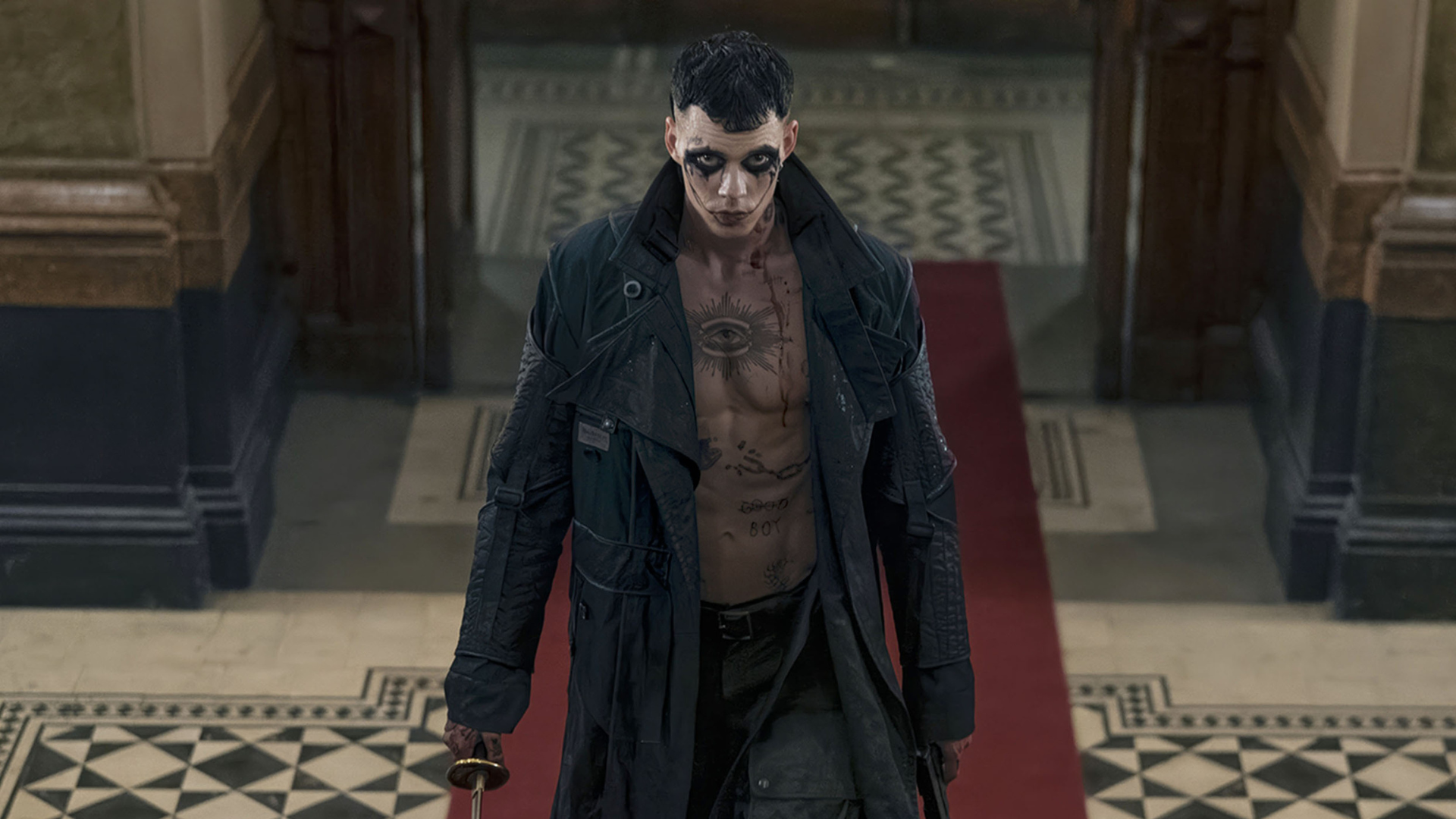
It has been a year since Rupert Sanders’ remake of The Crow flapped its way into cinemas, and the dust has now settled on one of the most reviled cinematic reimaginings of recent memory. But with a year’s distance, the question lingers: was this version of The Crow really a misfire, or merely misunderstood?
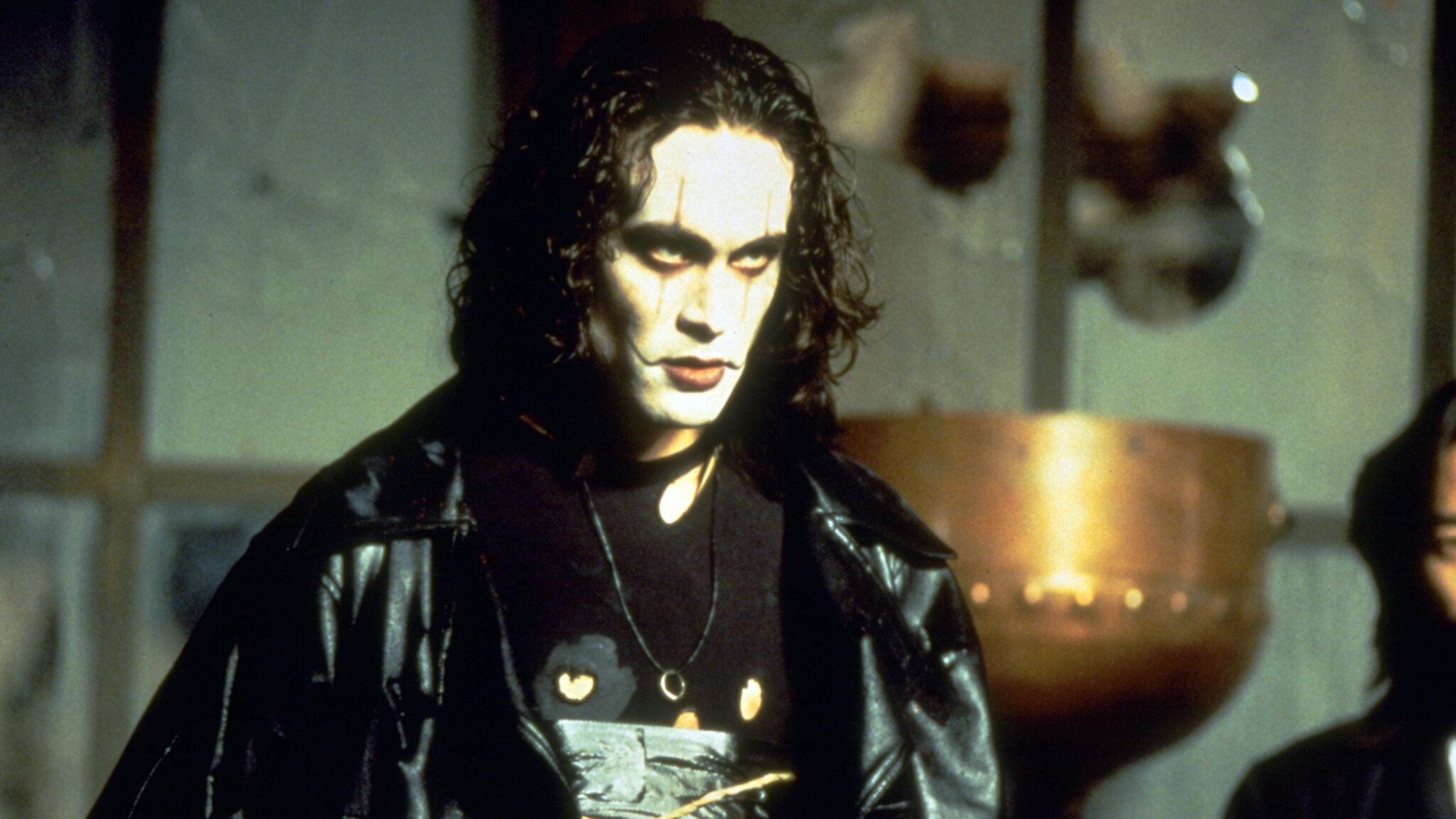
A remake of the 1994 cult classic, adapted from James O’Barr’s gothic graphic novel, this 30-year successor carried the weight of tragedy. The Crow as a franchise is forever tied to the death of Brandon Lee, who’s fatal on-set accident gave the original a haunting permanence. Starring Bill Skarsgård as Eric Draven and FKA Twigs as Shelly, it faced the near-impossible task of remaking a film canonised by both its gothic stylings and the martyrdom of its lead. Upon release, audiences and critics dismissed it as redundant, with even original director Alex Proyas scorning the idea, and much of the criticism centred on Skarsgård’s Eric as a pale imitation of Lee’s.

However, a deeper look reveals that while the remake will never escape its predecessor’s shadow, the moments where it deviates are where it finds overlooked strengths.
Sanders’ craft is undeniable. Cinematographer Mauro Fiore drenches the film in shadowy blues and neon glows, giving the city a feverish, dreamlike quality. The soundscape, pulsing with electronica and industrial tones, resurrects the spirit of ’90s goth rock while updating it for modern ears.
Beyond aesthetics, the film’s true strength lies in its distinct Eric. Brandon Lee’s magnetic, iconic portrayal still looms over The Crow, but Skarsgård wisely avoids mimicry. His Eric is rougher and clumsier: a mess of wounds and scars, a revenant who feels pain as much as he inflicts it. If Lee was a tragic rock star, Skarsgård is a broken punk kid, stumbling through vengeance with grit rather than grace. This alienated purists but gave Sanders’ version its own identity: less operatic romance, more horror-infused nihilism.
Often accused of privileging visuals over story (Ghost in the Shell (2017) being the example), Sanders here finds material that suits his indulgences. Violence is staged with painterly precision, with the Opera House massacre standing out as a union of gothic spectacle and raw brutality.
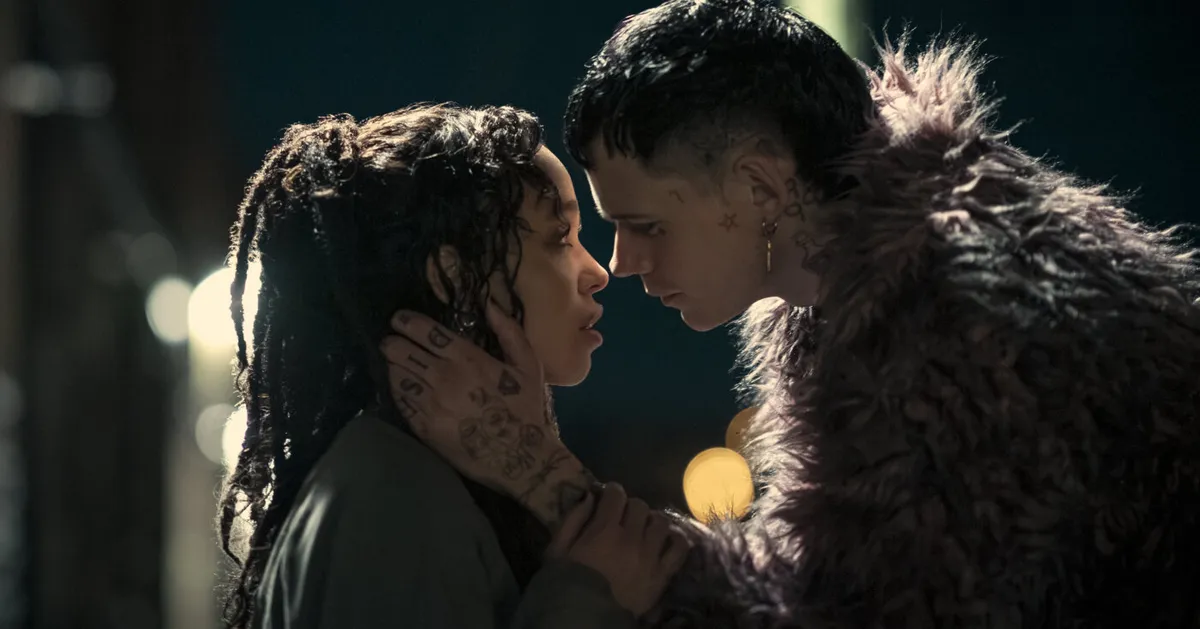
The biggest shift comes in the love story. In the original, Eric and Shelly’s romance exists only in memory, strengthened by exposition. Here, their relationship unfolds onscreen, not as idealised destiny, but as fragile co-dependency between two damaged people who shield each other from the world.
This reframes the central theme: not eternal love, but desperate attachment. What may seem like ‘love at first sight’ is trauma-bound survival instinct. With Zach Baylin’s script, their bond is less romantic fate than refuge. Crucially, Shelly is no longer passive: she drives the plot, resists the ‘refrigerated woman’ trope, and catalyses Eric’s transformation. She sparks their escape and his eventual vengeance. Like a twisted Peter Pan, Eric finds maturity through her guidance after a lifetime of abandonment.
Symbolism deepens this bond, most vividly through the recurring white horse. Seen in Eric’s neglected childhood, it embodies his only comfort and hope. His failed attempt to free it from barbed wire scars his palms, binding it to his wounds as a symbol of purity, salvation, and lost innocence.
Religious and mythological echoes enrich the image. In Christianity, the white horse signals resurrection; in Hinduism, cosmic renewal; in Celtic lore, it links to the goddess Epona, guardian of fertility and healing. This connection mirrors Shelly’s role: like the horse, she offers Eric renewal and the courage to embrace his deeper self.
The metaphor peaks in the showdown with the villain Vincent (played with sinister relish by Danny Huston). As Eric weakens, visions of the horse merge with memories of Shelly. What he failed to save as a boy he now protects as a man. Horse and woman converge, transforming vengeance into sacrifice. His scars become marks of devotion, sealing his shift from broken survivor to tragic saviour.
The ending underscores the remake’s departure from myth. Brandon Lee’s Eric found peace in death, reunited with Shelly. Skarsgård’s Eric does the opposite: he relinquishes resurrection so she can live. It’s a stark inversion as he becomes a martyr whose second chance buys her survival. His blood-soaked, uneven journey condenses into a final moment of grace.
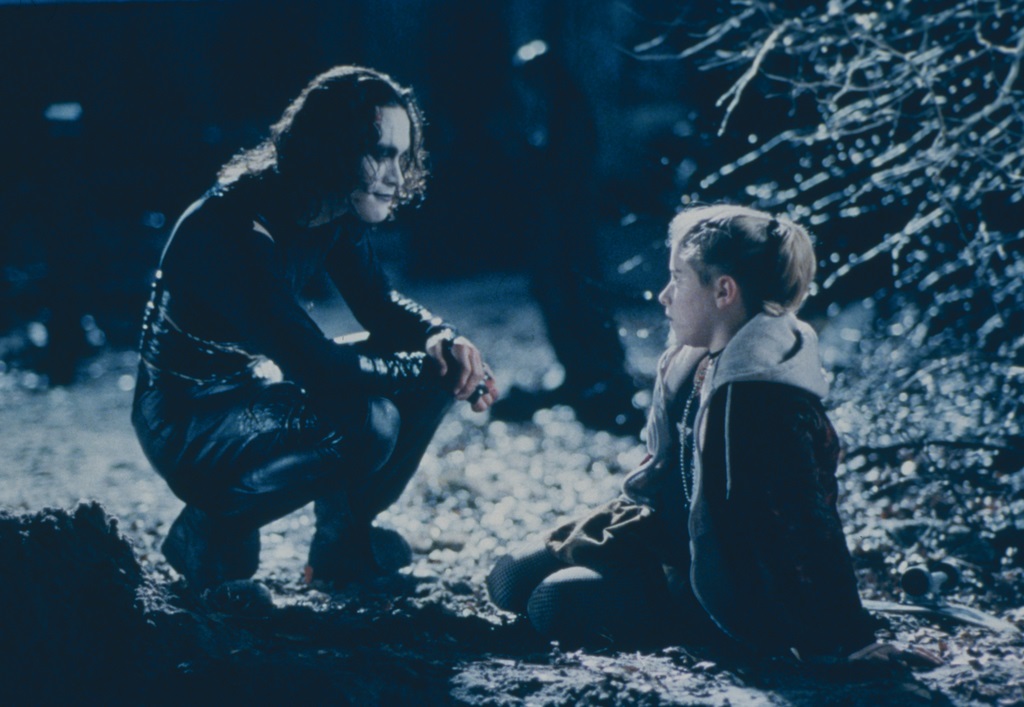
A year later, the remake still cannot match the original, but it deserves more than scorn. It reminds us that stories of doomed love and vengeance never die; they adapt. Messy though it is, Sanders’ film reframes Eric not as an untouchable icon but a bruised, stumbling figure who fights for love because it’s all he has. By granting Shelly agency, embracing trauma and symbolism, and carving its own identity, the film proves that even a flawed resurrection can illuminate new facets of an old legend.
In the end, The Crow (2024) will never step out from Brandon Lee’s shadow, but perhaps it wasn’t meant to. Instead, it exists as an alternate version of the tale, one that shows why the myth endures. For some, it will always be heresy; for others, with time, it may stand as a bold if imperfect attempt to carry a haunted story into a new generation.
Words by Joseph Jenkinson
Support The Indiependent
We’re trying to raise £200 a month to help cover our operational costs. This includes our ‘Writer of the Month’ awards, where we recognise the amazing work produced by our contributor team. If you’ve enjoyed reading our site, we’d really appreciate it if you could donate to The Indiependent. Whether you can give £1 or £10, you’d be making a huge difference to our small team