
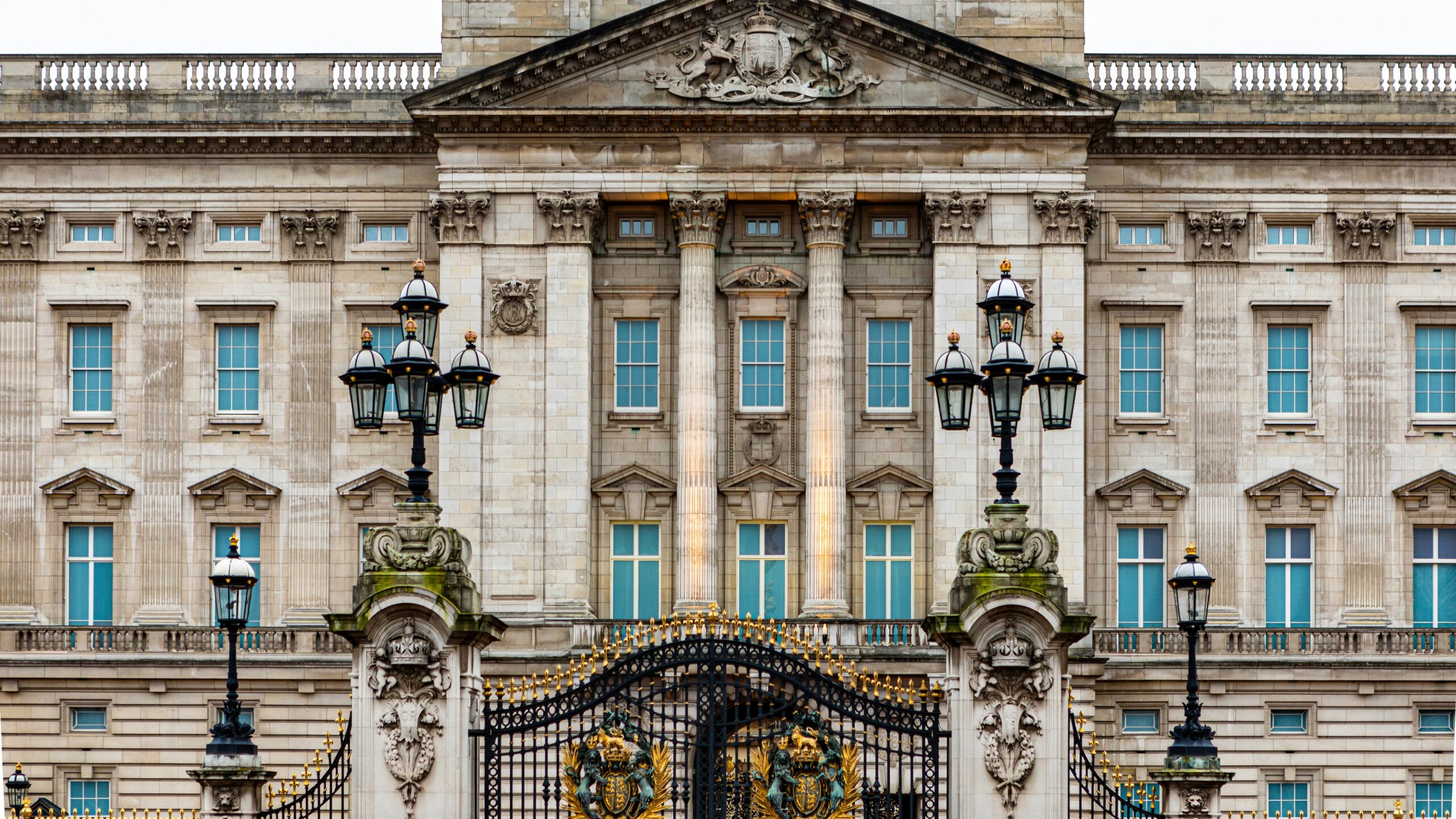
If the Royals lived on an ordinary street rather than Buckingham Palace, then they would be the sort of family that other parents tell their children to steer clear of. With their decades of seedy scandals and public spats, the misadventures of the Windsor clan often resemble hastily written character arcs that are typically recorded in the sub-plot of some mediocre soap opera. Certainly, you would be hard pressed to find anything particularly stately or dignified about many of them; though the monarchists will no doubt do their best to try.
Even the most ardent monarchist however has very little to say these days about the now former Prince Andrew, the blackest sheep in the whole dark family. Ever since that now infamous interview with Emily Maitlis, Andrew has been hanging around the rest of the Royals like a bad smell; one that the King seems determined to try and waft away, lest recollections of Andrew’s poor behaviour and even poorer judgement continues to taint the family legacy. On the 5th November, details of the Letters Patent – a particular form of legal document, written as an open letter, which expresses the will of a particular monarch – was published by the Crown Office in The Gazette. The entry stated that the King “has been pleased by Letters Patent under the Great Seal of the Realm dated 3 November 2025 to declare that Andrew Mountbatten Windsor shall no longer be entitled to hold and enjoy the style, title, or attribute of ‘Royal Highness’ and the titular dignity of ‘Prince.’”
Better late than never, some might say One doesn’t need to be an arch republican to be glad to see the back of Andrew. On the 15th of October, The Daily Mail columnist Sarah Vine expressed her opinion that Andrew should have voluntarily removed himself from further involvement with the Royal Family. On the Alas: Vine and Hitchens podcast, Vine said that “the late Queen’s legacy is this Royal Family, and he [Andrew] is, quite honestly, undermining it quite severely.” A sensible comment, though it is also possible that the late Queen’s decision to contribute vast sums of cash to help fund Andrew’s legal fight against sex abuse allegations, and the subsequent estimated annual allowance of £1 million that Andrew continued to receive from his late mother and brother from 2019 to 2024, has done more to undermine the Royal Family than Andrew could manage on his own.
Vine went on to insist that if Andrew had any decency he would “take himself out of the equation.” Evidently, Vine was being too optimistic in her assessment of Andrew. In the end, the former Prince couldn’t bring himself to depart with any dignity. His title has been removed, and (eventually) he will be compelled to leave the Royal Lodge by his big brother.
Why has the King chosen to strip Andrew of his titles, and why now? Is he exacting some long-delayed revenge on his younger sibling? No, this is nothing more than a cynical attempt from the King to garner favour from the demos. The public humiliation of Andrew is nothing more than a (fairly fatty) lump of red meat; a ploy to stave off the steadily growing republican tide.
Red meat is a term used in politics used to refer to “statements or policies that are designed to appeal to a political party’s base or to generate strong emotional response from voters.” Much like how Keir Starmer’s poorly judged ‘Island of Strangers‘ speech was an inflammatory attempt to generate strong emotional support from right-wing voters that have been steadily drifting to the Reform Party, the King’s decision to publicly humiliate Andrew by stripping him of his former titles, and forcing him to abandon the Royal Lodge, is an attempt to garner favour from the anti-monarchist, pro-republican members of the public. Or at least, it is an attempt to garner favour with members of the public who, largely due to the incompetence and arrogance of the Windsors themselves, are increasingly susceptible to arguments made by proponents of republicanism.
In 2013, 72% of 18-24 year olds wanted to keep the monarchy as an institution. By 2023, this had shifted drastically, with only 36% of those polled within this demographic expressed that they wanted to keep the monarchy. This decline in support is reinforced by data from the National Centre for Social Research, who have identified that, ever since they began keeping a record of public support for the monarchy and the Royals in 1983, there has been a considerable reduction in support for the institution. In 1983, the proportion of people who believed that it was important to keep the monarchy was 86%. By 2024, this number had fallen to 51%. This freefall of public support for the monarchy, which has no doubt been bolstered by the public spats of the Windsor clan, has been accompanied by a growing popularisation and mainstreaming of explicitly anti-monarchist and pro-republican views. Over the past decade, republicanism has shifted from a derided, marginal position into a widely circulated opinion held by a large minority of the British public, with one in four Britons stating that we should only have an elected head of state.
This growth of mainstream republicanism may be the true reason that King Charles III chose to purge Andrew as an official member of the Royals. Much in the same way that Starmer thought he could drum up support from the right-wing voting base, perhaps the King hopes to elicit favour from the republican youth through his public demotion of Andrew. If so, then it is likely that this strategy is just as flawed as Starmer’s. Whatever brief favour that the King manages to obtain by cutting his brother loose will ultimately fail to revitalise public support for the monarchy, especially amongst the 18-24 demographic.
Without Queen Elizabeth II, enthusiasm for the monarchy and the royals themselves will only continue to wane. Whatever she might have been as a person, the late Queen was a beloved figure, a consistent figure on the world stage; even if a lot of that admiration probably had more to do with the version of herself she skillfully marketed in skits with Paddington Bear. The Queen’s passing has left the Royals with considerable shoes to fill, shoes that, since her death, nobody else seems to be capable of filling. Even Peter Hitchens, one of the most vociferous opponents of political republicanism writing today, has stated on multiple occasions that he would much prefer to have a constitutional monarchy without all the nuisance that comes with a Royal Family.
Well, if wishes were coins, then we would all be able to live as comfortably as the former Prince Andrew, as he inevitably slinks away to what will no doubt be some perfectly comfortable lodgings. The disgraced former prince leaves behind a monarch that may not be able to rely on the popular–one might say, democratic–support of the public forever more, and who can only guess what that could mean for the Royals and the very foundations of the British state.
Words by Rhys Clarke
Support The Indiependent
We’re trying to raise £200 a month to help cover our operational costs. This includes our ‘Writer of the Month’ awards, where we recognise the amazing work produced by our contributor team. If you’ve enjoyed reading our site, we’d really appreciate it if you could donate to The Indiependent. Whether you can give £1 or £10, you’d be making a huge difference to our small team.