
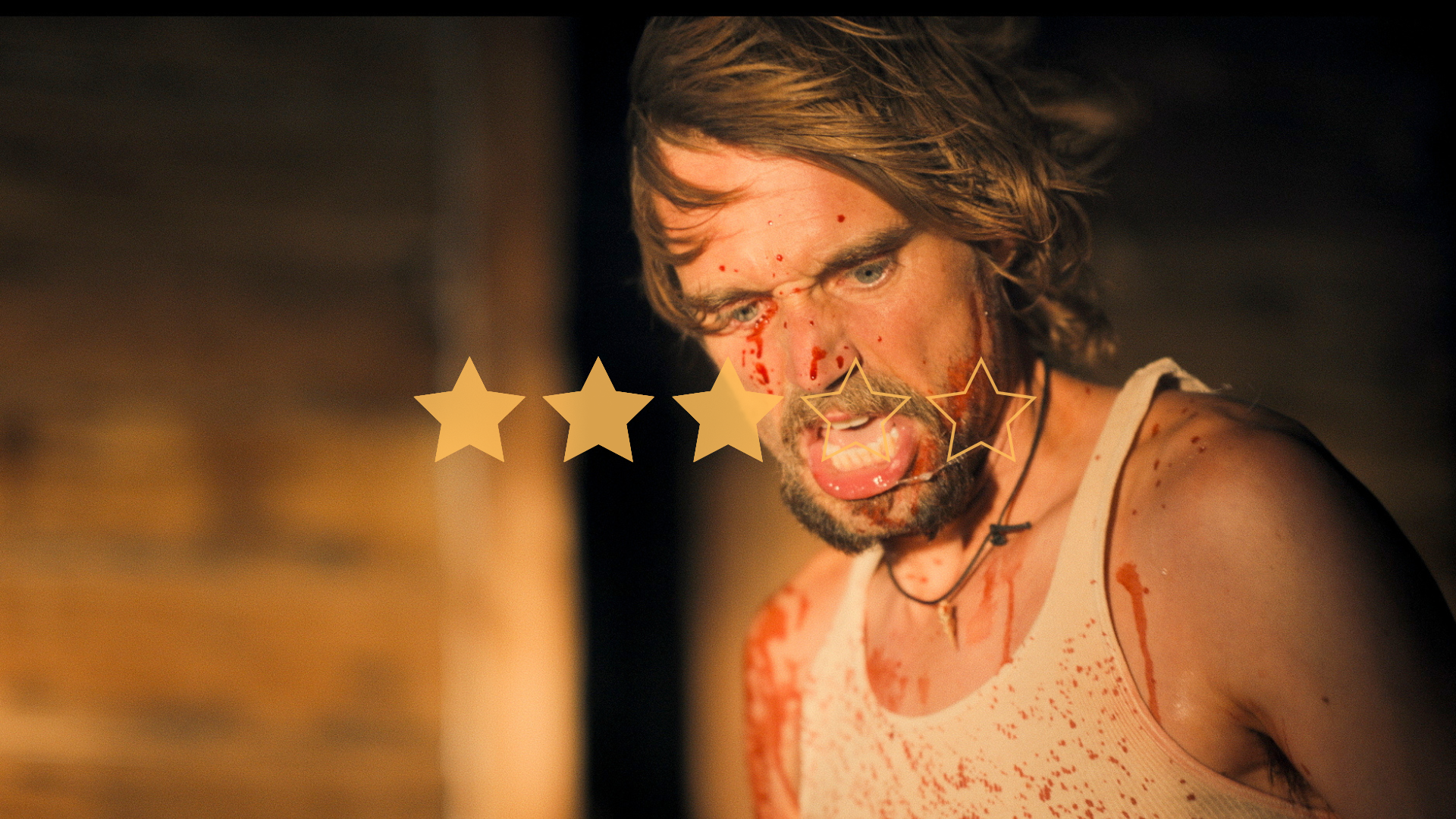
A Desert, directed by Joshua Erkman, is a dreamlike, uncanny daytime horror in the surreal landscape of the North American southwestern desert.
★★★☆☆
A Desert, directed by Joshua Erkman, follows photographer Alex Clark (Kai Lennox) as he travels through the American Southwest desert, taking photos of vast landscapes on an 8 by 10 camera. Everything is quite peaceful and beautiful in the beginning, Alex is staying in a rundown motel. In the evening, he hears noises from his neighbours and sheepishly makes a complaint, leading him to run into the mysterious Renny (Zachary Ray Sherman), whose eerie presence completely overturns Alex’s stay, sending an easy-going trip of artist re-discovery into a violent, unsettling mystery that this wife, Sam (Sarah Lind), and a private investigator, Harold (David Yow), must get to the bottom of.
A Desert is a film most concerned with the power of visual images, and as a result, the cinematography is the most compelling aspect of this film. Presenting the desert in a way that is both haunting and familiar, cinematographer Jay Keitel captures the vast beauty of the landscape, allowing it to linger in the viewer’s mind long after watching. At times, you don’t feel as if you are watching a film but instead perusing a photography exhibition. What is most compelling about the cinematography is its ability to instil an overwhelming aura of unease as we watch Alex take his photos on this solo road trip, there is a sense of anxiety about what is yet to come.
The star, though, is Renny, brilliantly portrayed by Sherman, who exacts a feeling of dread every time he appears on screen. His ability to create a tense and unsettling atmosphere was a marvel to watch. All the performances are very well done to a certain extent, with more said through facial expressions and body language than with dialogue.
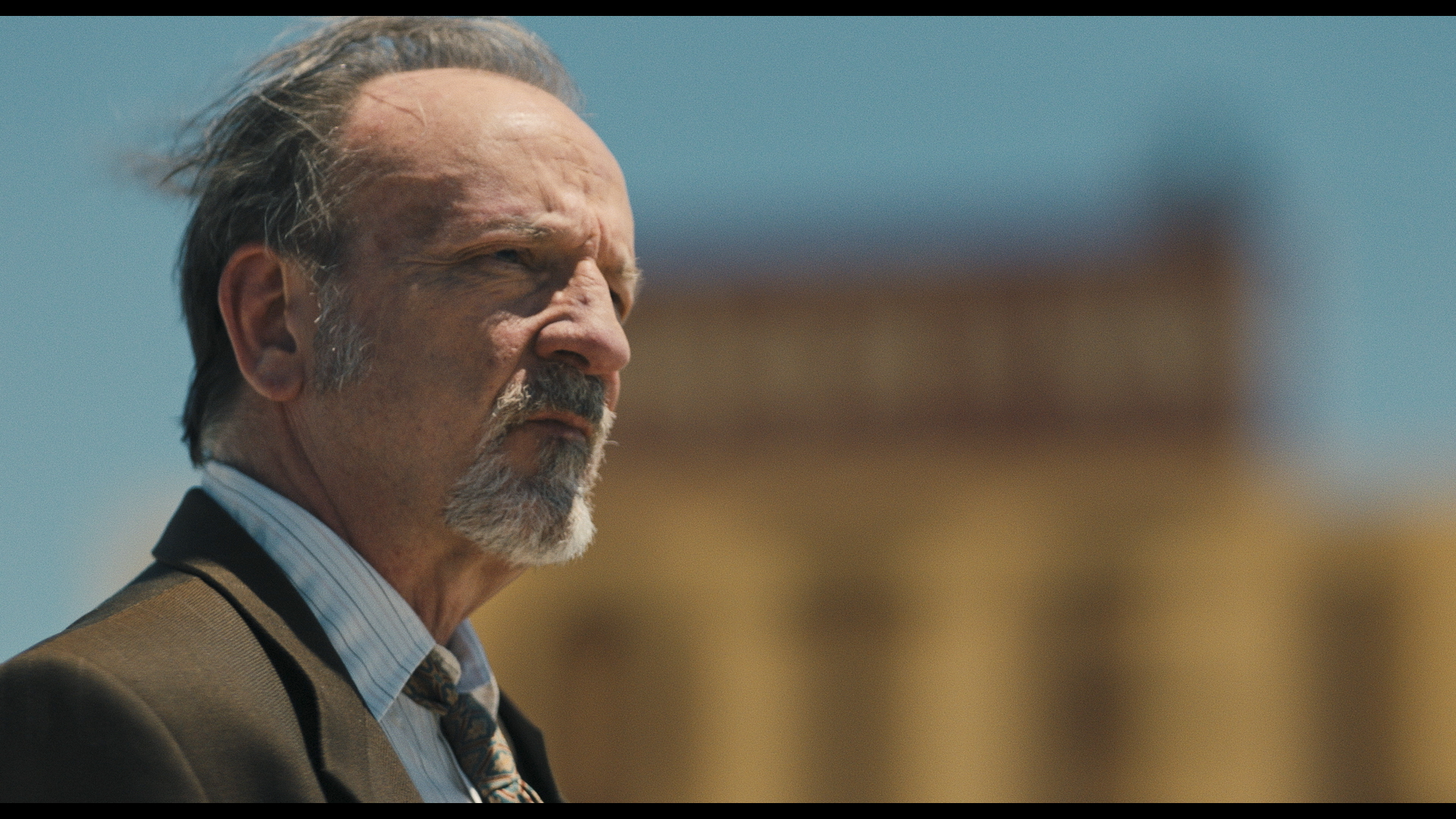
This brings us to the issues of this film. Erkman presents a lot of interesting ideas about the American Southwest terrain, the people who exist within it and those who are lost to it. Many of these ideas feel half-baked and aren’t fully materialised because of how big and abstract they become within the film. Thematically, trying to understand those who are lost in the harsh desert climate, nostalgia for the artist you once were and the dark underbelly of sexual exploitation on long winding roads in the desert are all interesting ideas, but feel unfocused. The film tries to follow many streams of consciousness and, in doing so, fails to realise any to their full potential.
The moments of horror are fleeting yet exacting in their impact. The question this film is pondering is; what happens in the desert? What happens to disappeared people? What stories does the landscape hold? All of these are endlessly interesting questions, but attempting to find meaning in a landscape that is so withholding feels futile- perhaps this is what the film is trying to communicate. That we can never fully know the stories of those lost.
The desert climate serves as a metaphor for the unrelenting nature of weather and the earth. The fact that nothing man made can escape the clutches of reality determined by the weather. This point is consistently drilled in through the narrative. Though people can become lost, things do not. Images are frozen in time. People fade away, and the terrain remains.
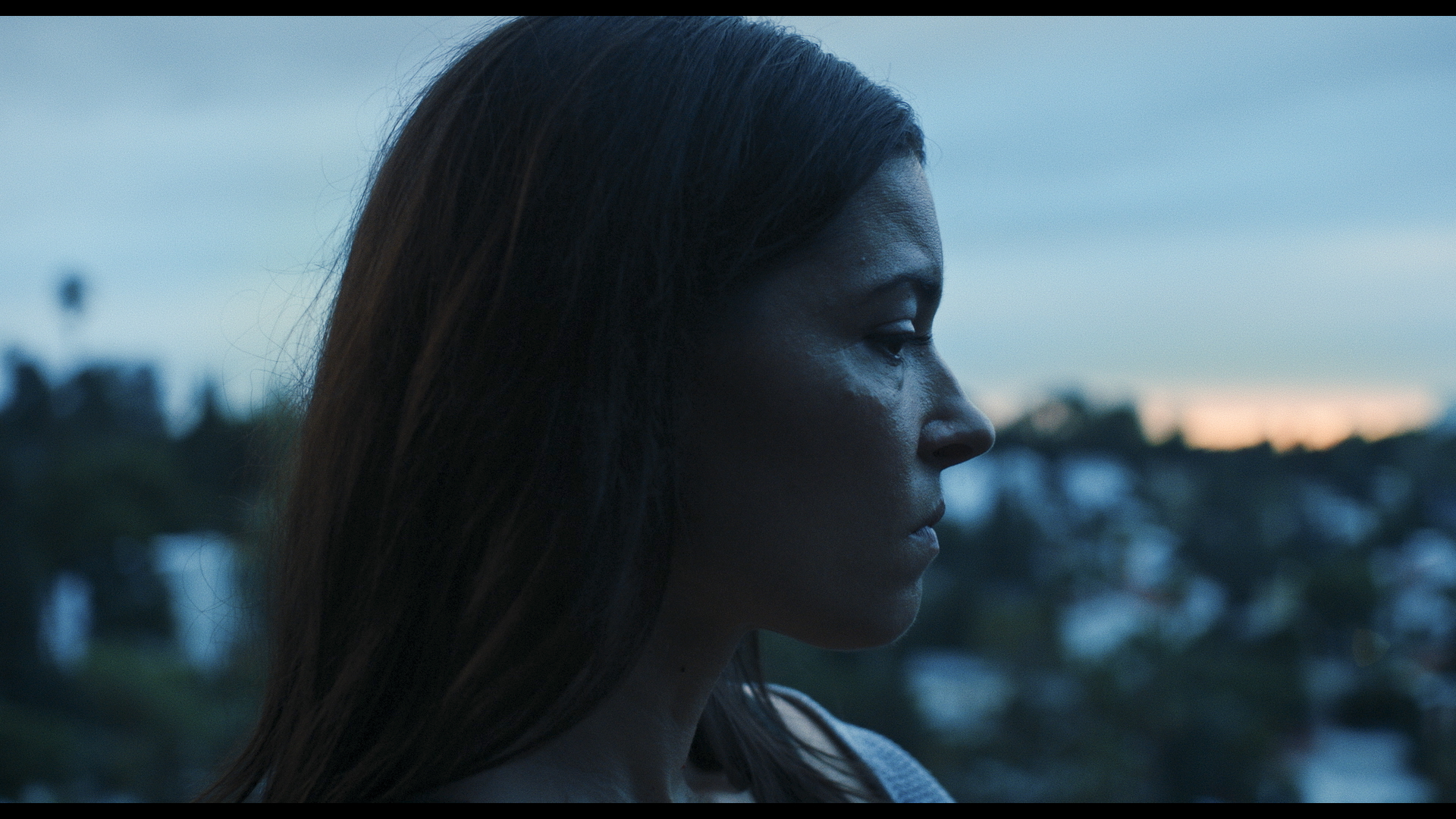
Make no mistake, there are good ideas within this film, but they are underdeveloped. As the film crescendos, we are given this scene of sex workers performing on camera. Though we are given clues about sexual exploitation within the story, this moment still feels bizarre and clumsily thrown in, taking you out of the world-building. This was a courageous debut, bringing experimental storytelling methods to the screen in a way that was refreshing.
The Verdict
Due to the vast amalgamation of ideas within the film, we are presented with deeply fascinating images and an intriguing story, but because the film tries to take on so many ideas that its meaning and impact become blurred to audiences. Where the visual language succeeds, the writing lags behind in being just as powerful. There is a lot of potential in this film, but it would benefit from more focused refinement.
Words by Ayomide Asani
A Desert is on UK and Ireland digital platforms on 24 November from Blue Finch Film Releasing
Support the Indiependent.
We’re trying to raise £200 a month to help cover our operational costs. This includes our ‘Writer of the Month’ awards, where we recognise the amazing work produced by our contributor team. If you’ve enjoyed reading our site, we’d really appreciate it if you could donate to The Indiependent. Whether you can give £1 or £10, you’d be making a huge difference to our small team.