
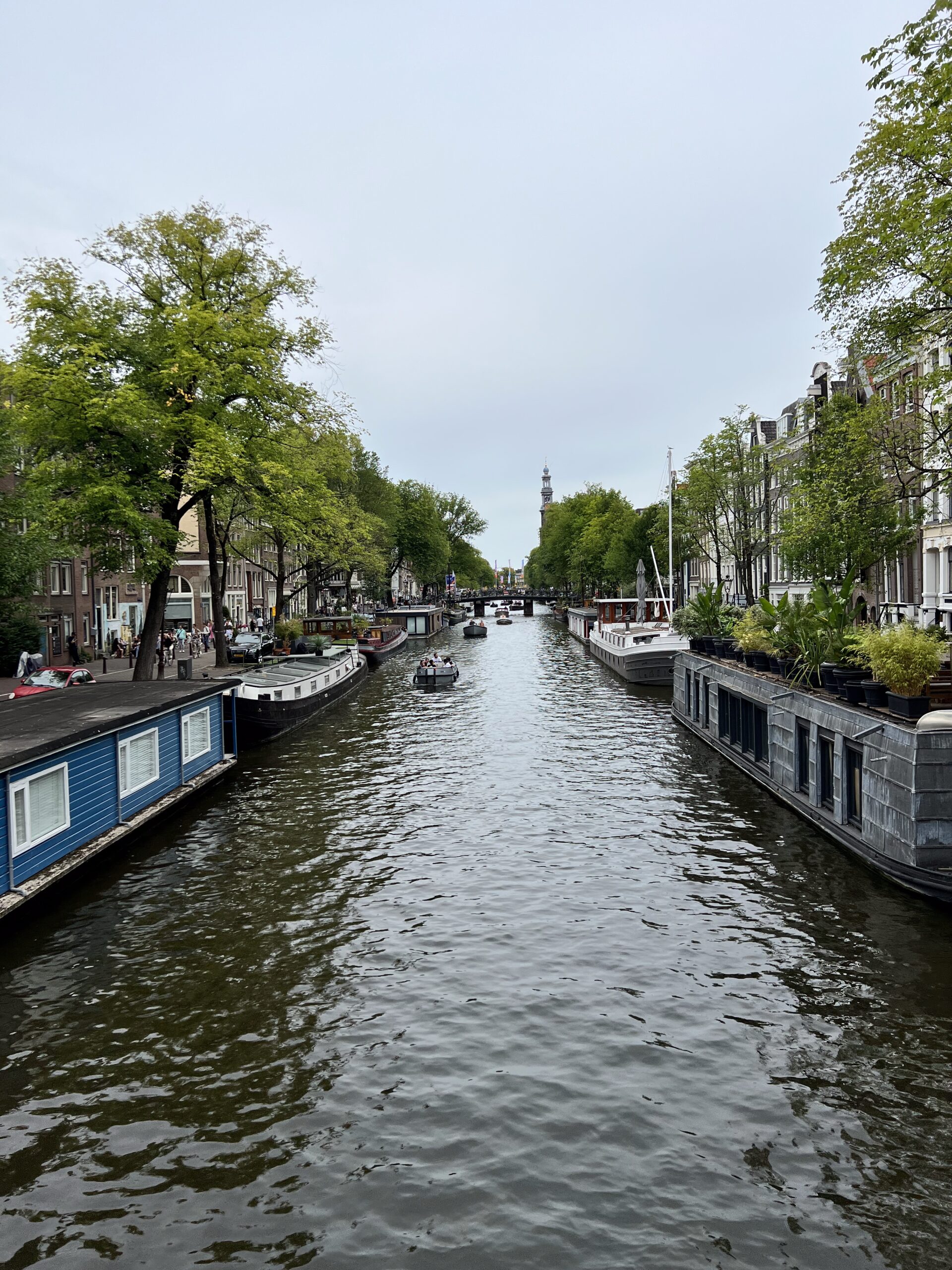
Every summer, tourists flock to Europe, securing the cheapest flights to experience their idyllic “Eurosummer”. My European excursions over the past four years, however, might not be everyone’s idea of zen, or perhaps not as idyllic. Clocking up miles on our campervan dashboard, my family opts to drive across the close borders of Europe, living out of our campervan whilst pitching tents across capital cities. Through my travels, I have collected my fair share of passport stamps, and established my fair share of opinions. One could argue there is no better way to experience Europe than by car.
My journey is annually inaugurated by the overnight ferry from the Port of Tyne near Newcastle, to the port of IJmuiden, a Dutch province at the entrance of the North Sea Canal. IJmuiden is close to Amsterdam, which has become the destination that traditionally bookends our sprawling hundred-mile drives.
Amsterdam is a remarkably liberal city defined by fascination. From the distinct aroma of cannabis lingering in the streets, to the often controversially viewed Red Light District, the city attracts swarms of visitors seeking culture, or perhaps an out-of-the-ordinary night out. Amsterdam Pride is an unmissable week in the city’s summer calendar of events. Attracting over 500,000 people annually, the festival transforms every corner of the city each summer, proving how welcoming the culture truly is.
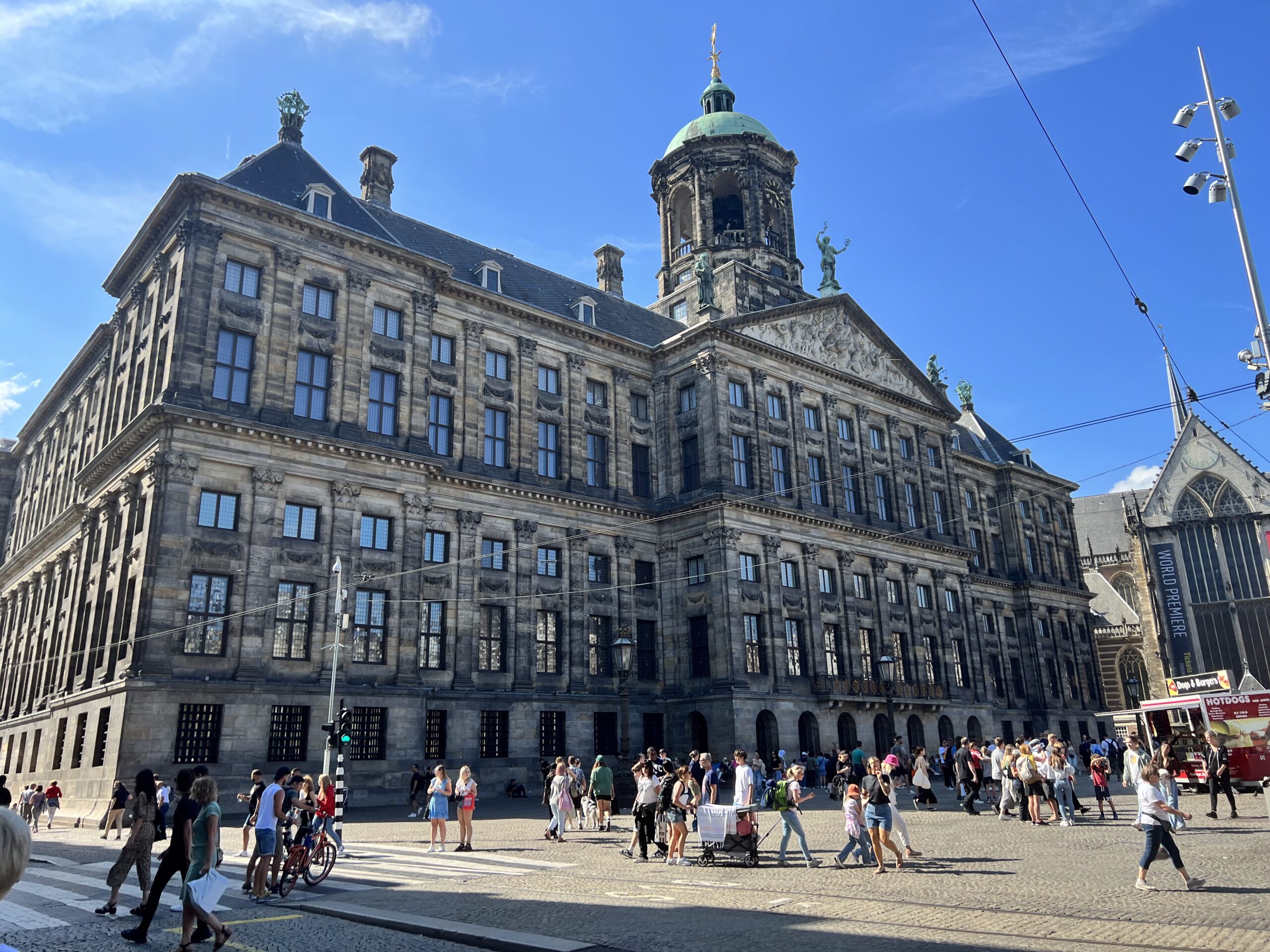
750 years of history gives Amsterdam a depth often unmatched by its counterparts. The impact of the Anne Frank House is mindfully preserved amid the modern bustle of coffee and gift shops, nestled along canals where passersby dodge cyclists and take photos. The stature of the Royal Palace appears grand when alighting from the tram at Dam Square, neighbouring with the winding queues outside Madame Tussauds Amsterdam, where pigeons swoop in to pinch discarded cones of “Amsterdam’s Most Famous Fries”.
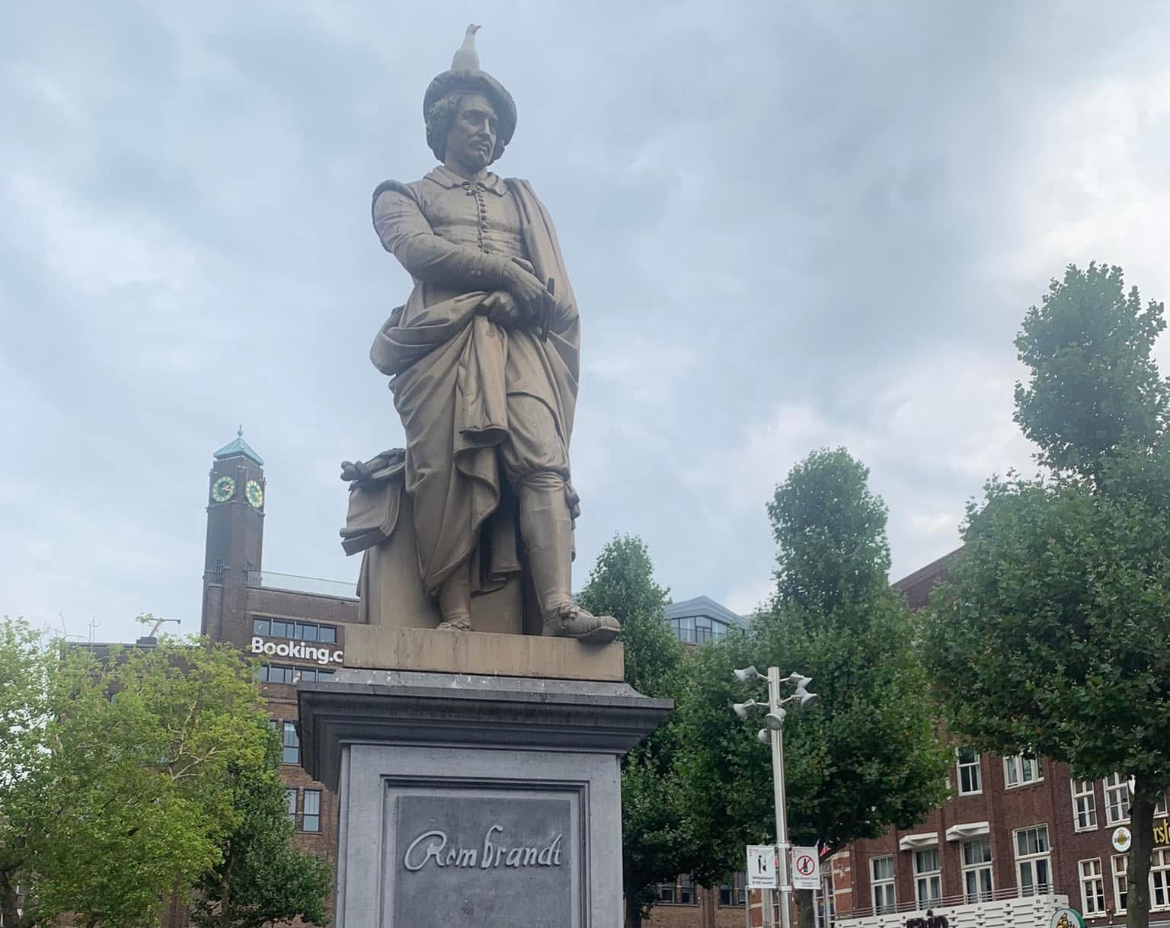
With every burst of culture, Amsterdam is met with a tourist counterpart. The beauty of the sculptured brickwork of the canal houses is often marred with the advertisement of another coffee shop, with stories of these unique homes dwindling away. This sentiment is blatant in the historic Rembrandtplein. As the statue of the Dutch master looks upon the Amsterdam he once worshipped through painting, the blazing neon lights of Smokey Coffeeshop obscures his view.
Indeed, many locals would agree. Anti-tourism protests are growing across Southern European countries. From Spain to Italy, the unaffordability of certain regions, widely due to tourism, is making it impossible for locals to buy homes, or even go for a meal. As Barcelona streets are becoming graffitied with slogans such as “Tourist Go Home”, there are undoubtedly questions about whether such discontent might spread to the Netherlands. In fact, it already has.
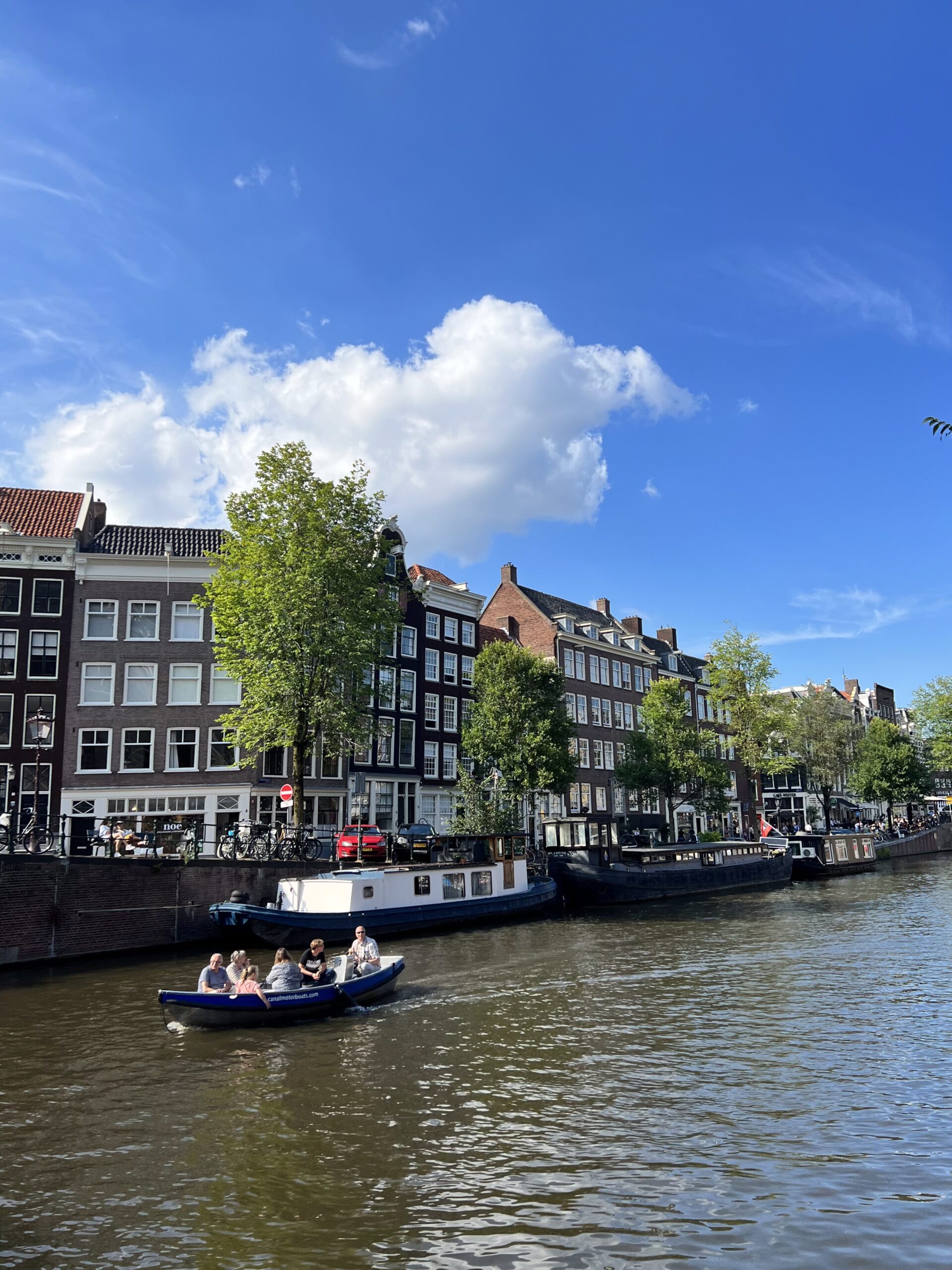
In recent times, Amsterdam has been labelled as ‘‘the most anti-tourism city in Europe’, and although Amsterdam itself is decked out perfectly to tick all the tourist city boxes, it is the locals that are fighting back. As party tourists flock there to experience their fix of the Red Light District, and dabble in the legal contraband, Amsterdam residents are losing their pride in the home city due to over-tourism. Protests, although less widespread than Barcelona’s, have taken place in recent months, with the historic Leidseplein, renowned for its nightlife, being a notable location. Dingeman Coumou, a lead organiser of “Het is Genoeg” (“That’s Enough”), insisted that mass tourism is a hindrance, rather than a benefit. This stance, whilst not broadly believed, is absolutely growing. As Amsterdam maintains its tourist persona, the disenfranchisement of the locals will increase more and more.
Tourism, and its additional bells and whistles, is inevitable in capital cities. However, my criticisms of Amsterdam’s tourist scene often feel hypocritical. I am, after all, a tourist myself.
Like many others, I would recommend exploring less obvious destinations, such as the small and unsuspecting towns my family have discovered on our caravanning travels. However, there are many benefits to choosing the smaller, less bustling towns. For one, they are far more affordable. Whilst a flight to Amsterdam can be often secured for less than 100 pounds, the added meals and expenses rack up quickly, especially with Amsterdam noted as one of the most expensive cities in Europe. The food is authentic and made with care, and the stories radiate out of the homely restaurants and local businesses. This beauty is maintained even in the smallest of towns, and whilst they are less discussed and widely publicised, they bring a certain sense of personal exploration that is often harder to find in the bigger cities.
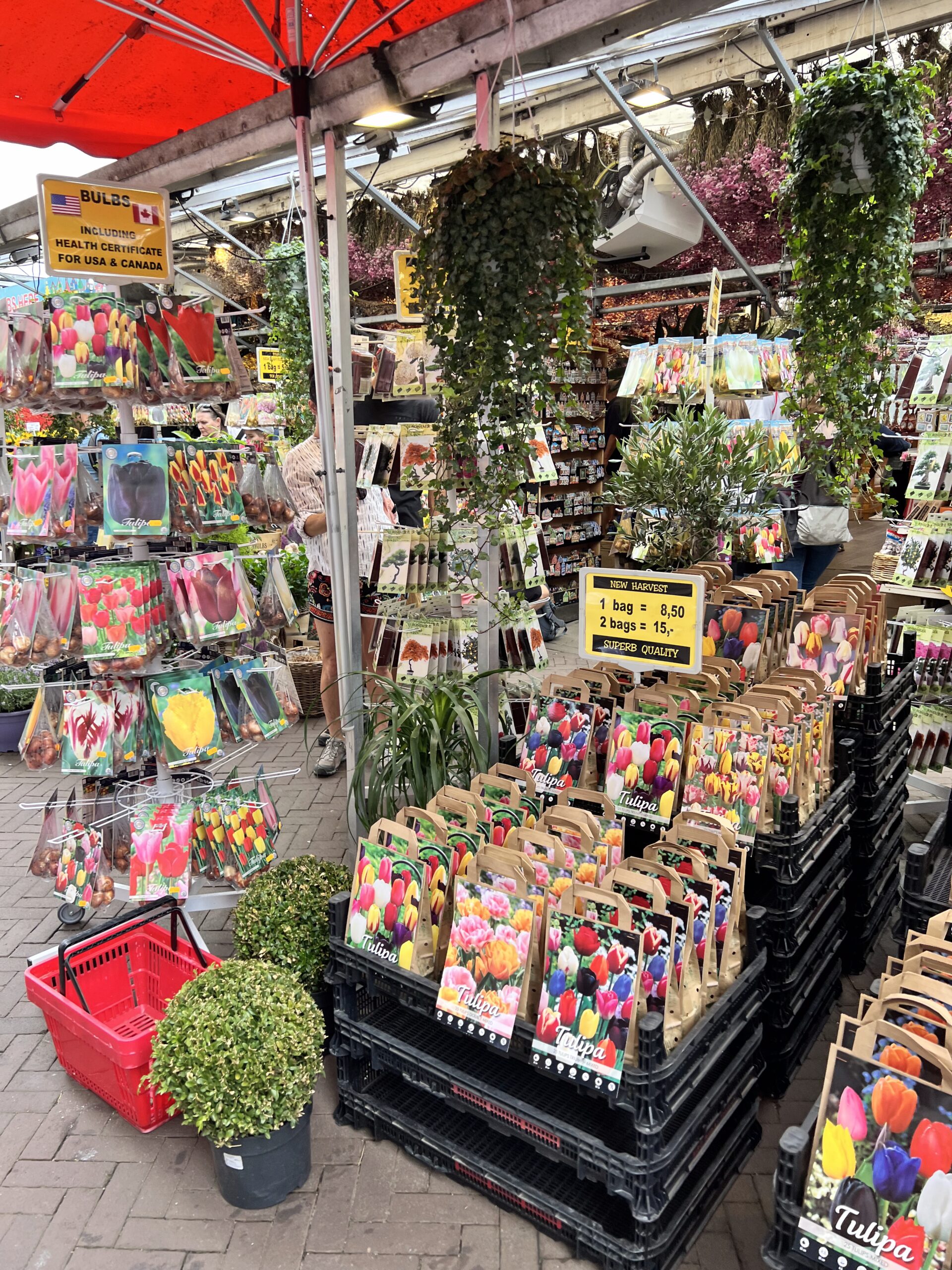
In fact, the alternatives to Amsterdam are a mere stone’s throw away from the Dutch capital. Haarlem, a short 17 minute train from Amsterdam Centraal Station, maintains the same beautiful architecture and floral displays as Amsterdam. Whilst being a city itself, Haarlem offers a slower pace, offering visitors the chance to experience the same traditional Dutchness and authenticity, with a less impactful effect on the locals.
If I were to share even the smallest piece of travelling wisdom, it would be this: Europe’s beauty rarely lies in its tourist traps, but in the corners that you least expect. Amsterdam, like nearly every capital city, is plastered with tourist signs, but that does not mean its vibrancy is lost. The true culture thrives in the small cafes and local businesses, not the “Amsterdam’s Best” slogans, or the advertised best rated attractions in the world. Travelling through the smaller, less crowded canals will unveil the true treasures of Amsterdam, and help you explore the city beyond the tourist bubble.
Words by Abigail Mableson
Support The Indiependent
We’re trying to raise £200 a month to help cover our operational costs. This includes our ‘Writer of the Month’ awards, where we recognise the amazing work produced by our contributor team. If you’ve enjoyed reading our site, we’d really appreciate it if you could donate to The Indiependent. Whether you can give £1 or £10, you’d be making a huge difference to our small team.