

When Netflix announced Cameron Diaz’s Back in Action, the film became more than a release—it became an event, marking Diaz’s return to the screen. But what does Hollywood’s reliance on nostalgic casting mean for the stories we are being told?
When Netflix announced Back in Action, the immediate reaction was not about the film’s plot or genre. It was about Cameron Diaz. After nearly a decade away from acting, the star was “back”, reunited with Jamie Foxx in a glamorous rom-com-action hybrid. The announcement carried the energy of a red-carpet premiere long before the film was even released. Diaz’s return to work turned a straight-to-streaming title into a cultural conversation.
This is how Hollywood works now. Nostalgia is no longer an accidental by-product of casting; it is a strategy. By banking on recognition and the comfort of familiarity, studios and streamers make their films feel urgent in an oversaturated market. And Back in Action shows just how powerful that strategy can be.
The Return Effect
Diaz’s comeback was marketed as much as the film itself. In 2014, the actress explained she wanted to “step back” from the pressures of Hollywood. Her reappearance was framed less as routine casting and more as a cultural return. It was quickly clear that audiences were not simply interested in the film but in Diaz herself—and that Netflix knew it.
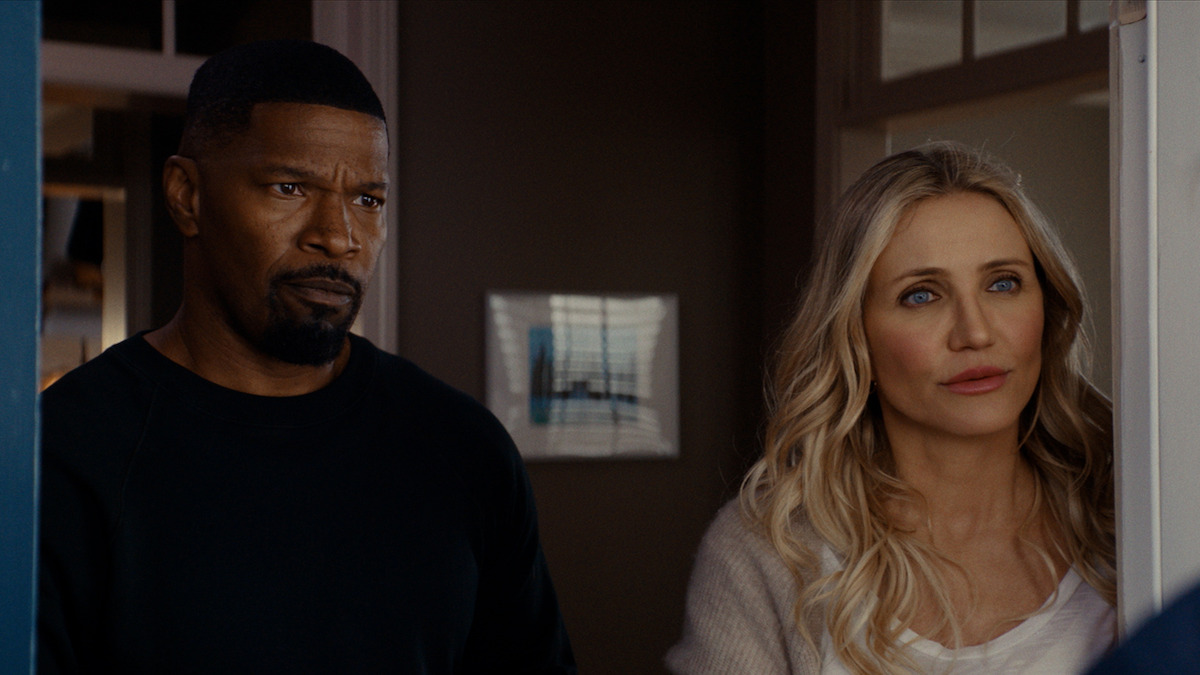
Foxx, meanwhile, added his own familiar stardom. His presence alongside Diaz lent Back in Action a retro sparkle, reminiscent of their 2000s prime when both actors were box office regulars. The film positioned itself not just as entertainment but as an event, a chance for viewers to reconnect with stars they already knew and loved.
Why We Crave the Familiar
There’s a psychological side to this as well. Nostalgia is a kind of cultural comfort food. In uncertain times, from political disruption to post-pandemic unease, audiences gravitate towards what feels safe. Seeing Diaz back on screen or Foxx slipping easily into his old charm can be reassuring.
Critics have long argued that nostalgia plays a key role in popular culture, but its prominence today feels heightened. It is not simply about reliving the past; it is about finding stability in the present. Watching an actor you loved twenty years ago feels like reconnecting with an old friend—a feeling amplified today by greater accessibility to celebrities and their lives.
Nostalgia in the Streaming Era
For streaming platforms, this tactic is invaluable. With endless new releases flooding Netflix, Disney+ and Amazon Prime each week, even promising projects risk vanishing into the algorithm. Attaching a recognisable face makes a film stand out, and a comeback story will always draw attention.
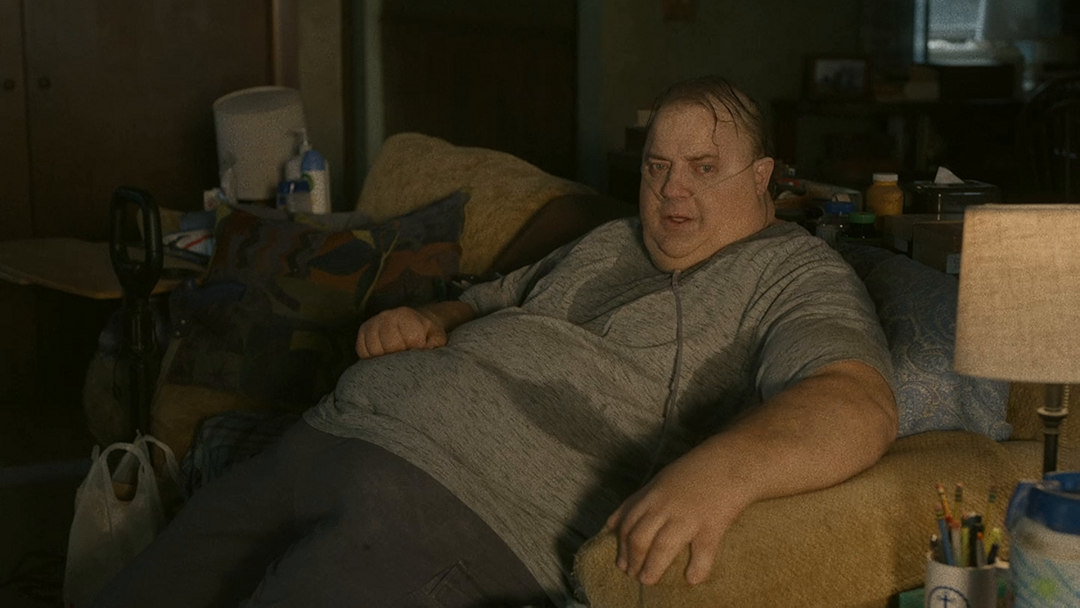
Hollywood has seen this playbook succeed repeatedly. Brendan Fraser’s comeback in The Whale sparked an outpouring of affection, intensified by his status as a beloved star of the late 1990s. Winona Ryder’s casting in Stranger Things worked similarly, grounding the show in 1980s nostalgia while also revitalising her career. These examples underline why Back in Action and its marketing were centred around Diaz and Foxx. Familiarity reassures audiences, and reassurance sells.
When Nostalgia Works and When It Doesn’t
In Back in Action, the nostalgia strategy mostly works. Diaz and Foxx have chemistry, history, and an ease that makes their reunion engaging. Their dynamic is the film’s biggest selling point, giving it a warmth that goes beyond its genre conventions.
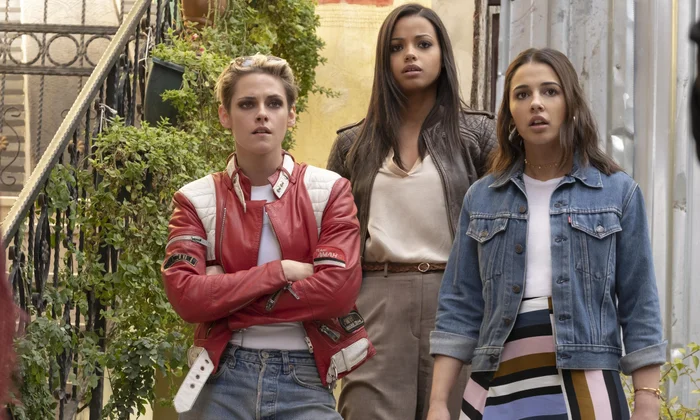
However, the same formula doesn’t always succeed. Reboots like Charlie’s Angels (2019) leaned on legacy branding but lacked a compelling story. This is not an example of nostalgic casting, as the original stars did not return, but rather proof that Hollywood is banking on the recognition of a familiar franchise. Both approaches contribute to the broader trend of nostalgia but work in distinct ways. One relies on cherished actors, while the other on the power of a name. The lesson is clear: nostalgia might draw an audience, but it cannot sustain one unless the film delivers something more.
The Risks of Looking Backwards
Hollywood’s reliance on familiar faces does raise questions. For every star whose career is revived, there is a newcomer whose breakthrough role is delayed. If every big release leans on nostalgia, innovation risks being pushed aside. Back in Action may benefit from Diaz and Foxx, but the wider trend could leave less room for fresh voices.
Audiences share responsibility, too. We click, we stream, and we celebrate these comebacks. In a marketplace drowning in choice, the lure of the familiar is hard to resist. Hollywood is not just selling us new films; it is selling us memories.
The Final Frame
Back in Action may not change cinematic history, but its cultural value lies in its casting choices. Diaz’s unretirement and Foxx’s enduring appeal show how effectively Hollywood can transform nostalgia into a product. For Netflix, it was a way to make their offering stand out in an overcrowded world.
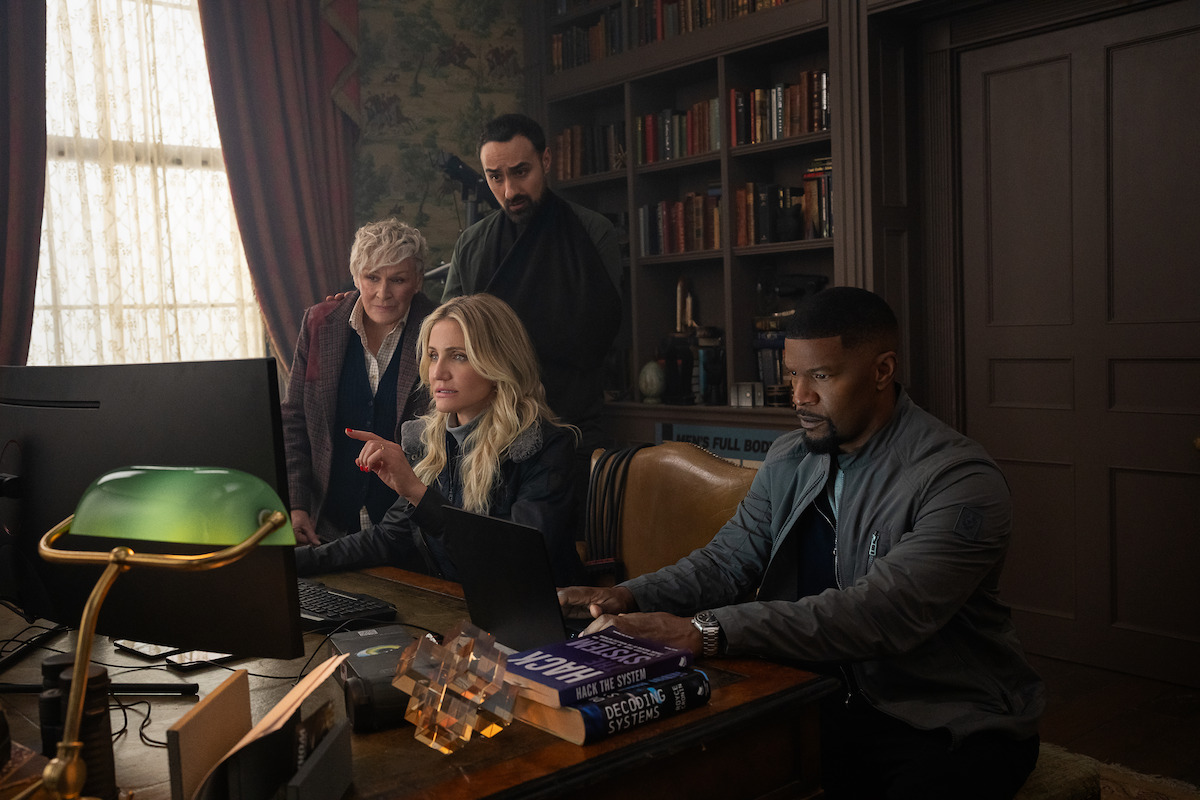
A bigger question lingers: in cases like this, are we celebrating creativity or simply recycling comfort? Nostalgic casting and reboots both draw us in, whether through the actors we love or the franchises we recognise, but neither can replace strong storytelling. When audiences gravitate towards comebacks and reboots, are we feeding a desire for connection or clinging to a past that stops us from moving forward?
Either way, the message is clear: in today’s Hollywood, nostalgia is not just powerful, it is also profitable. In a world of endless choice, nostalgia may be the industry’s best way to cut through the noise.
Words by Lara Sayess
Support The Indiependent
We’re trying to raise £200 a month to help cover our operational costs. This includes our ‘Writer of the Month’ awards, where we recognise the amazing work produced by our contributor team. If you’ve enjoyed reading our site, we’d really appreciate it if you could donate to The Indiependent. Whether you can give £1 or £10, you’d be making a huge difference to our small team.