
Uncovering Underrepresented Perspectives from World War Two
15 August 2025 marked the 80th anniversary of VJ Day (Victory over Japan Day) in the UK. This anniversary commemorated the date in 1945 on which Imperial Japan surrendered to Allied forces and brought World War Two to an end. During this time of reflection, it is important to pay tribute to the lives lost during the Second World War. Historical wartime fiction ensures the atrocities of war are not forgotten. This includes the emotional and psychological trauma inflicted upon everyday citizens.
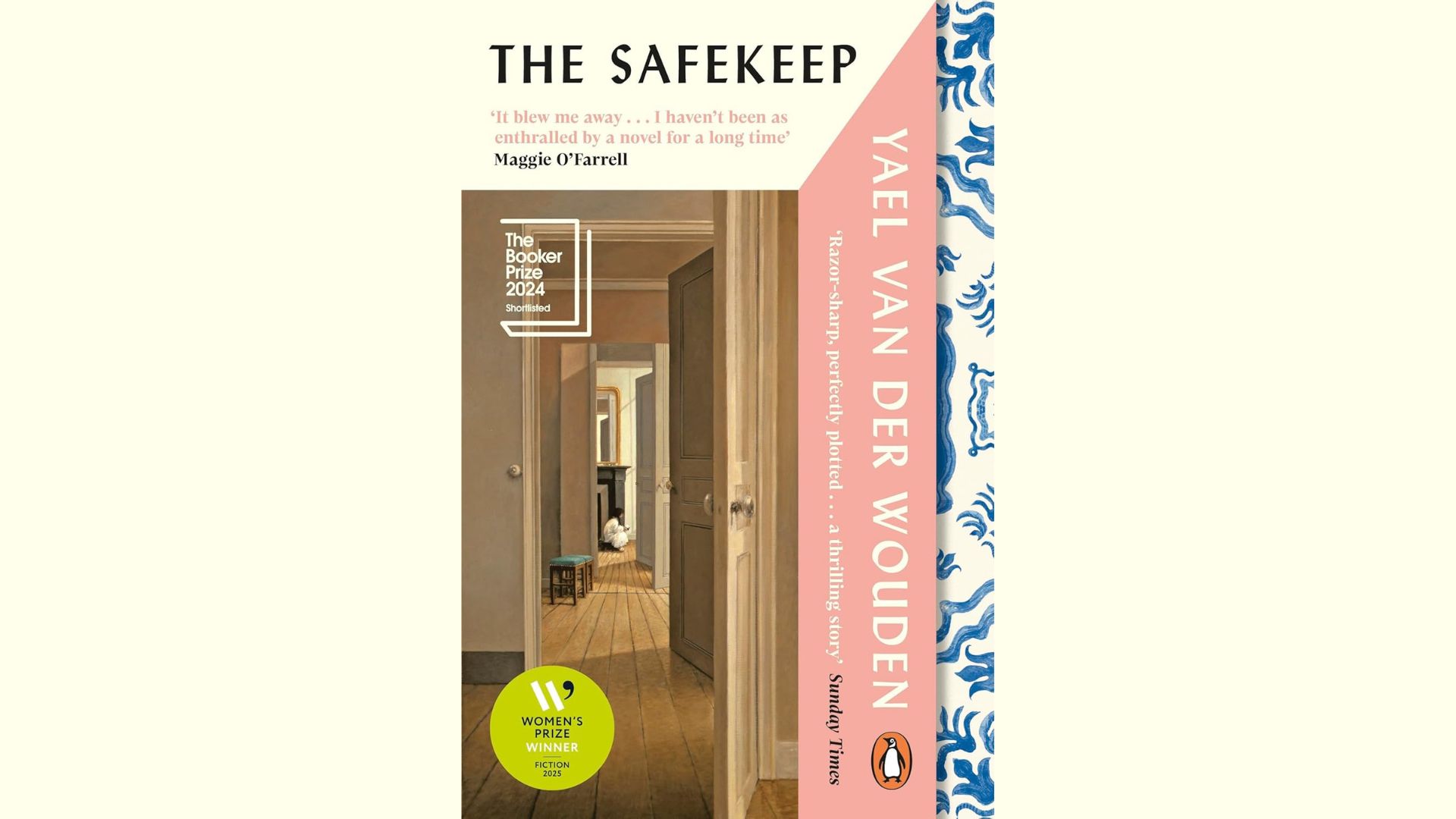
Dutch author Yael Van Der Wouden’s 2024 Women’s Prize for Fiction-winning novel The Safekeep poignantly explores the legacy of the Second World War through female and queer lenses. Set in 1961 in the Dutch province of Overrijissel, the novel follows the reclusive Isabel who lives in her deceased mother’s rural country house alone. Isabel reluctantly agrees to let her brother Louis’s girlfriend Eva stay as a guest at the house. Eva’s presence disrupts Isabel’s regimented routine and leads to the revelation of a life-altering secret.
Van Der Wouden weaves the psychological effects of conflict into her central protagonist Isabel’s characterisation. The descriptions of Isabel’s memories of 1945 are stark, vivid and sensorial. Van Der Wouden creates a complex, compelling central character in the often cold, unlikeable Isabel. The drip-feeding of Isabel’s remembrances of the war helps readers better understand her character. Isabel is a woman seeking control and belonging in a world where she has only known chaos and upheaval.
The most fascinating dynamic in the novel is the tension-fuelled, intriguing bond between Isabel and Eva. Van Der Wouden delicately navigates the evolution of Isabel and Eva’s relationship. The shift in their relationship is fraught and gradual, the repressed Isabel is unwilling to open herself up to Eva. The queer element of their relationship is handled with care and skill. The sexually intimate encounters are tender and moving. The novel casts a light on sapphic desire and homosexuality in a hostile environment, Isabel and Eva’s relationship unlocking buried secrets and passion.
The Safekeep’s setting plays as almost a significant role in the narrative as the characters. The house which binds Isabel and Eva together encapsulates Isabel’s frugal, lonely lifestyle. Rooms, walls, even cutlery hold the weight of history, forcing its inhabitants to confront the traumas of their past.
The house takes on larger meaning when the women’s heartbreaking connection is revealed. The novel’s ending is quietly hopeful, offering a refreshingly optimistic conclusion for its queer pairing and starting the process of reconciliation and healing.
The Safekeep is an absorbing, skilfully crafted novel which invites readers to reflect on the marginalised viewpoints of the Second World War. The novel offers nuanced, sensitive insight into the reconstruction of identity following conflict. It is unflinchingly honest about the hardships of post war Holland, especially resonant following the anniversary of VJ Day. Isabel and Eva’s story reminds us of literature’s capacity to start new, meaningful conversations which interrogate our understanding of history.
Words by Eve Hutchinson
Want more Books content from The Indiependent? Click here
Support The Indiependent
We’re trying to raise £200 a month to help cover our operational costs. This includes our ‘Writer of the Month’ awards, where we recognise the amazing work produced by our contributor team. If you’ve enjoyed reading our site, we’d really appreciate it if you could donate to The Indiependent. Whether you can give £1 or £10, you’d be making a huge difference to our small team.