
The first time you share tea, you are a stranger.
The second time you share tea, you are an honored guest.
The third time you share tea, you become family
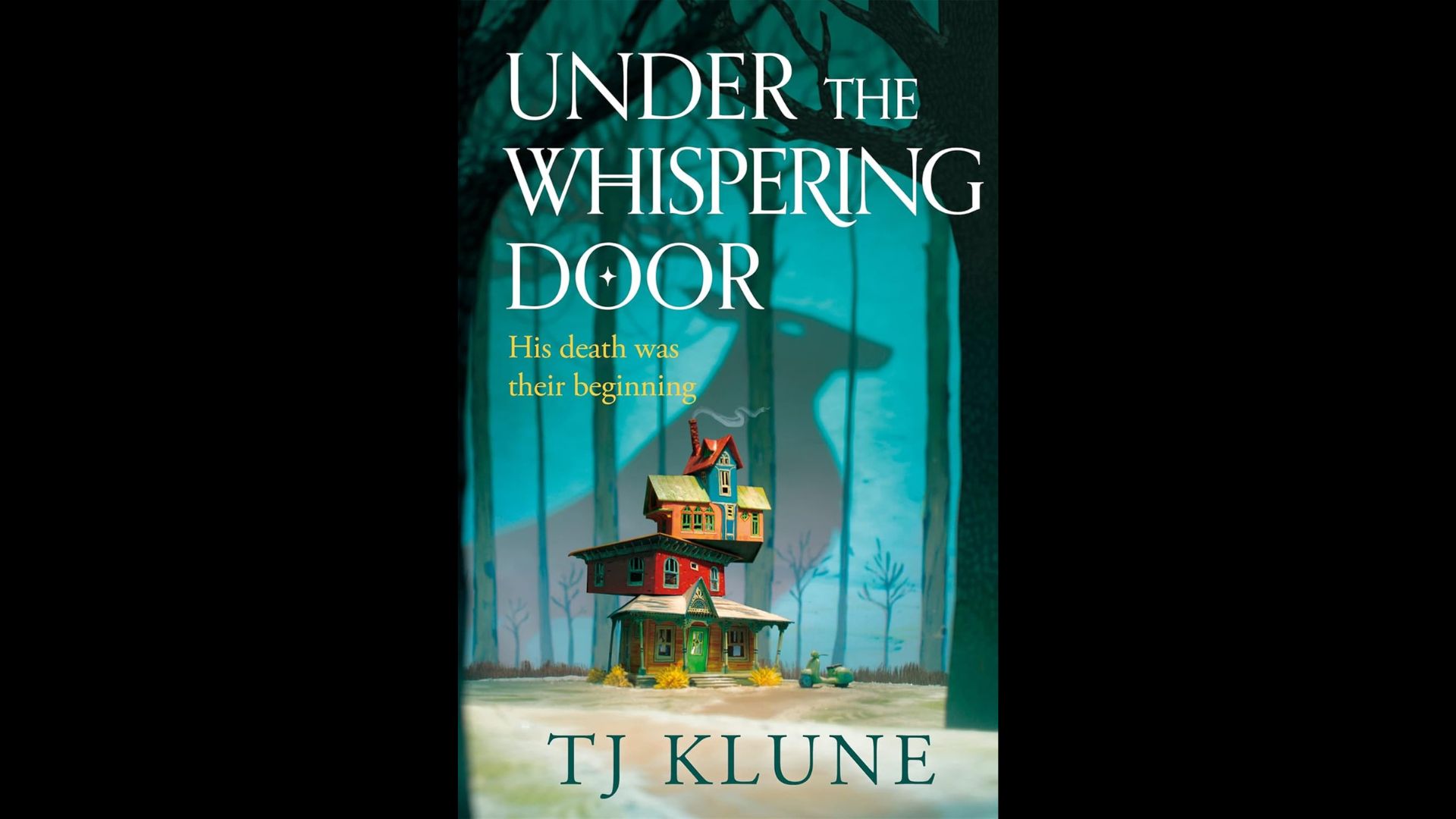
Moving and heartwarming, TJ Klune concocts a tale of love, humour, wisdom and safety in his contemporary fantasy novel Under the Whispering Door. The story follows self-centred workaholic Wallace Price and his sudden death which turns out to be the beginning of an experience worth dying for. Feisty Reaper Mei takes his ghost to Charon’s Crossing Tea and Treats, which serves not only tea and scones to customers, but is also a stop before souls make a transition over to the afterlife. There, Wallace is introduced to the rest of the to-be found family: fellow ghosts Nelson, who winds him up by pretending to be the ferryman at first, Apollo, his outgoing canine companion, and finally, the actual ferryman himself, Hugo. His role is to help prepare the newly arrived (in this case, Wallace) for their journey over to the afterlife. However, this proves to be a little trickier than usual as the two catch feelings, and Wallace grows to love this group of people (ghosts or not) dearly.
Klune constructs a safe environment through not just the secluded setting of the teashop, but the characters. They are what makes it home. From Mei’s spunky personality to her “terrible music” blasting from the kitchen as she prepares the tea and treats, to Nelson teaching him how to change his clothes (it works differently for ghosts), to Apollo’s affection and time alone with the gentle Hugo, it’s no wonder they eventually get under Wallace’s skin. They also fuel his satisfying growth from an egotistical prat (who loves fashion) to a big-hearted human being (who still has a passion for fashion). Furthermore, as the story progressed, Wallace’s gradual yet growing attachment to his new home and love for his friends mirrored my own affection for them, which I feel is down to the immersive experience Klune delivers through his storytelling.
One particular aspect of the safety the escapist setting and characters allow is the fearlessness Wallace and Hugo have when their feelings for each other blossom. Anyone looking for a wholesome love story and/or positive queer representation (written by a queer person!) will find it right here in this novel. Hugo’s almost innate patience with Wallace gives the latter the space and time to come to accept his circumstances. Time spent alone together getting to know or being there for each other pushed their mutual respect and gradual development of their relationship without rushing anything. While Wallce puts up a defensive front to cover up his fear and confusion about his death and his future, Hugo allows and encourages him to be vulnerable about it. His wise and gentle nature brings Wallace’s buried compassion and kindness out, which he in turn, goes on to treat the former with.
At first, an enigmatic and ominous being conjured through the character’s reluctance to reveal much about him due to their apprehension, The Manager, as we come to find out, is the villain of this story. He is, according to Hugo, “A guardian of the doors. A little god… He says he’s order in chaos. He’s also a hard-ass who doesn’t like it when things upset his order”. And apparently, Wallace staying at the teashop for too long has disrupted his order. In the form of a child and stopping time, he visits Wallace and gives him seven days. Seven days to appreciate life (or death) at the beloved teashop to the fullest before he crosses that door. That week, Wallace goes through the seven stages of grief, from lashing out at Mei and Nelson at the beginning to acceptance after going on a scooter ride with his beloved Hugo, watching the sunset.
As heartbreaking as it would have been, Wallace bidding a final goodbye to his newfound family and transition to what lies next would have been the right ending. It would have taught the viewer about not taking something as temporary as life and the beautiful experiences it can bring for granted. Having read another book of Klune’s before this one, I anticipated a happy ending, but it did not work here as it completely undermined Wallace’s efforts to make the most of the numbered days he had, and the importance of not taking life’s precious experiences and people for granted (even if you are a ghost). Moreover, Wallace getting a second chance at life in death was wonderfully ironic, and it is disappointing that Klune threw the idea out the window by making the Manager bring Wallace back to life and become another Reaper.
However, other than the hiccup towards the end, I missed the characters and the Charon’s Crossing teashop as soon as I put the novel down. Under the Whispering Door was not only a heartwarming tale but such a moving experience, and I wish I had the word count to expand on more themes that it covers, such as life, grief, loss and mental health.
Words by Aisha Oppong
Want more Books content from The Indiependent? Click here
Support The Indiependent
We’re trying to raise £200 a month to help cover our operational costs. This includes our ‘Writer of the Month’ awards, where we recognise the amazing work produced by our contributor team. If you’ve enjoyed reading our site, we’d really appreciate it if you could donate to The Indiependent. Whether you can give £1 or £10, you’d be making a huge difference to our small team.
Beautifully written as always, I loved this book also and agree entirely 😍