
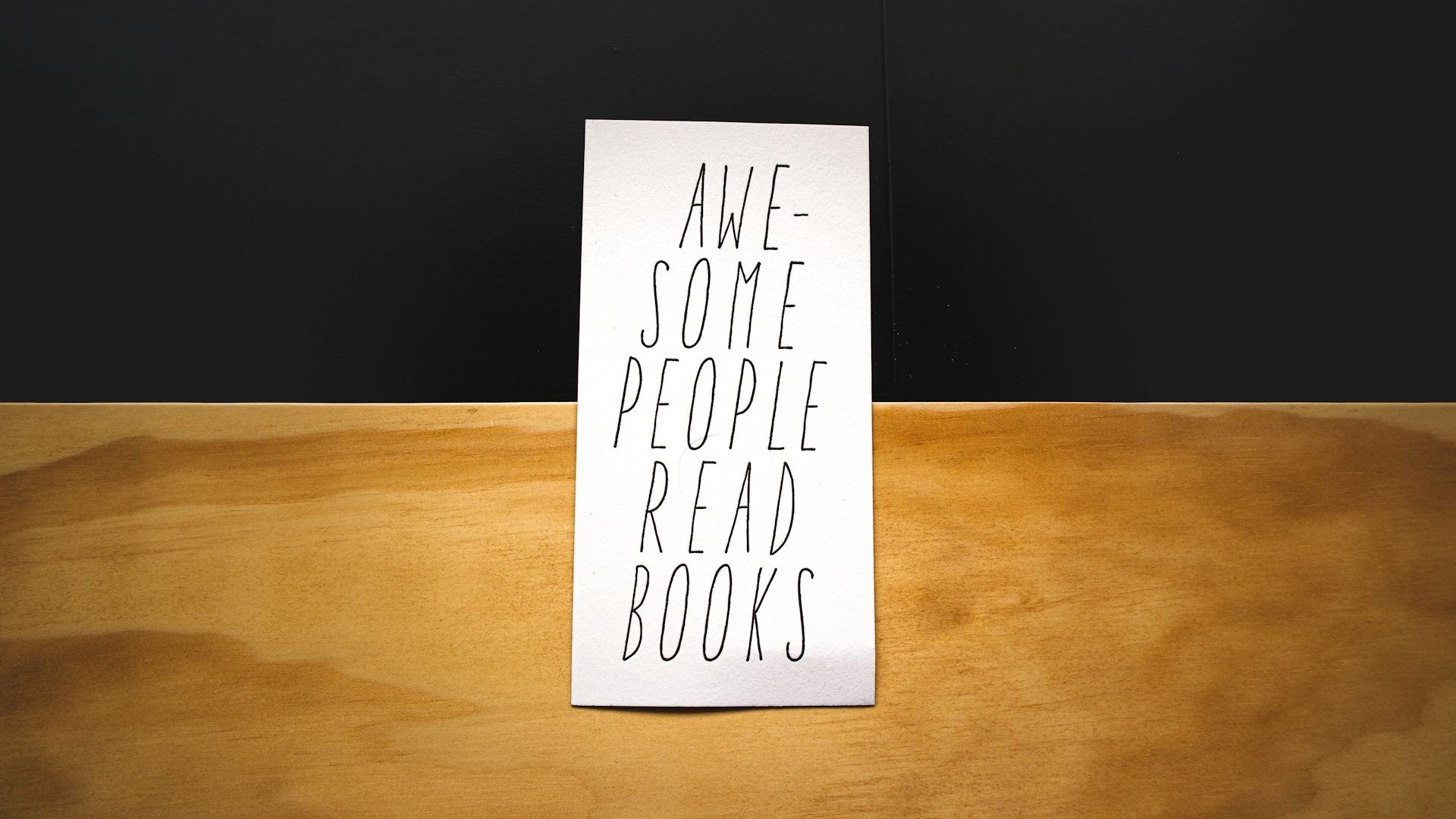
It is clear that books are trending again, thanks to celebrity influences, but not always necessarily for what they say, but for what they signal.
People have been reading for a millennia. The invention of the printing press and circulating libraries made what was once a hobby for the elite accessible to a wider audience. In today’s rapidly evolving technological world, reading often gets pushed aside. People chase quick dopamine hits from social media instead of enjoying the genuine serotonin that comes from reading a good book. Many have stated that they do not read as much as they used to as children, due to scrolling habits.
However, an insurgence of celebrity book clubs has brought reading back into popular culture and discourse. Most notable are Reece Witherspoon and Oprah Winfrey, who have enjoyed great success with their popular book clubs. This summer, Dua Lipa, a singer-songwriter, launched a literary podcast. Lipa, who gained prominence for hits like ‘New Rules’, ‘Don’t Start Now’, and ‘Levitating’, has posted several photos of her with books she is currently reading, giving fans an insight into her hobby. She announced her book club Service 95 in 2023 and, following its success, she launched her podcast of the same name in May of this year. Lipa’s book club has been positively received since it was announced. Many agree that the singer seems to be an authentic book lover rather than someone posing for attention. On reading, Lipa states, ‘For me, one of the best things about reading is getting to chat with my friends about the book that’s just blown my mind.’ In this way, music and literature mix.
What is the impact of this?
There are positives to this as if Dua Lipa, a major pop sensation, is reading, her fans will likely follow in her footsteps. This establishes a new trend, spiking reading numbers and reminding us of the positives of literature. Additionally, if people see Lipa reading a certain book, it gives that author prominence. They may not have received this otherwise, especially at such a rapid pace. This gives real benefits to indie and underrated authors. On her podcast, Lipa also interviews some authors, inviting them into a conversation, bridging the gap between reader and writer.
The downside, however, is that some people who are not that interested in the literature itself are posing with books and playing the part for some kind of social promotion. Lipa’s book club podcast comes at the same time that BookTok, a subgenre of TikTok, is experiencing a successful period with millions of users sharing their bookish lifestyles. This is shaping the book industry in a powerful but unpredictable way, with many people jumping on the bandwagon.
The Aesthetic Nature of Books
The aesthetic of reading seems to have become more important than actually reading. Tote bags, and book related accessories sales have soared in recent years due to the trending nature of being seen with book related items. Reading is trendy, to climb the social ladder, you need to get the newest editions and stamp all your belongings with a notable quote. To get more views on BookTok, focus on showing your bookshelves. They should feature the same popular books as everyone else’s, whether you’ve read them or not. It also seems that the potion for virality now is not the literary significance of a book but the emotional resonance it has on people and how much it made them cry. With that being said, it is no wonder that there is a rise in book buying and a decline in libraries as consumerism takes over the publishing industry with its collectible sprayed edges and special editions. People are buying more books than ever with many filming major book haul videos all trying to outdo each other.
Lack of Diversity
Due to the rise of BookTok and algorithmic echo chambers on Amazon, our reading tastes are blending into one, creating a digital canon of sorts. This reinforces a lack of diversity and perspectives which the original canon represented – prioritising white, prosperous, male voices. However, these social media platforms have created a modern, digital canon with the importance now being placed on books’ virality factor and emotional impact.
Narrow reading is not a new phenomenon. The Italian literary theorist Franco Moretti spoke in 2000, of the globalisation of literature and how distant reading can be introduced to better understand literature in its whole form rather than reading merely the select few that are deemed ‘worthy’. The impact of what he called ‘close reading’ the canon, is the repeated oppression of perspectives and voices from continuously marginalised communities.
So why not just read underrated books? The problem is that BookTok books stand out. They are in your face as bookshops have picked up on the trend. There is a table (or many) dedicated to books ‘seen on BookTok’ in most popular bookshops now. This means that even if you don’t own a TikTok account or generally don’t view BookTok, you are still bombarded with these popular books driven by algorithmic systems. Because of this, you are less likely to stumble upon a book that could have been a five-star read or resonate deeply with you but was unfortunately not included in BookTok’s elite club.
Should we not use BookTok, then?
That being said, there is a lot of good that comes from BookTok too, so it is not necessary to completely condemn it. Many readers have been able to connect with each other through the app, some stating that they had previously found it hard to meet anyone who shared the same interests. BookTok creates a sense of community. When a new book in a series comes out, readers often take to BookTok to share their thoughts with other readers. Many authors now have a platform to promote their books where they did not before, and some have enjoyed great success from this.
But is BookTok all bad? This rise in book trends is a cry for some sort of tangibility in the age of digital alienation. BookTok and book clubs like Service95 show a need for connection and community, which seems hard to find these days.
Words by Emma Mahon
Want more Books content from The Indiependent? Click here
Support The Indiependent
We’re trying to raise £200 a month to help cover our operational costs. This includes our ‘Writer of the Month’ awards, where we recognise the amazing work produced by our contributor team. If you’ve enjoyed reading our site, we’d really appreciate it if you could donate to The Indiependent. Whether you can give £1 or £10, you’d be making a huge difference to our small team.