
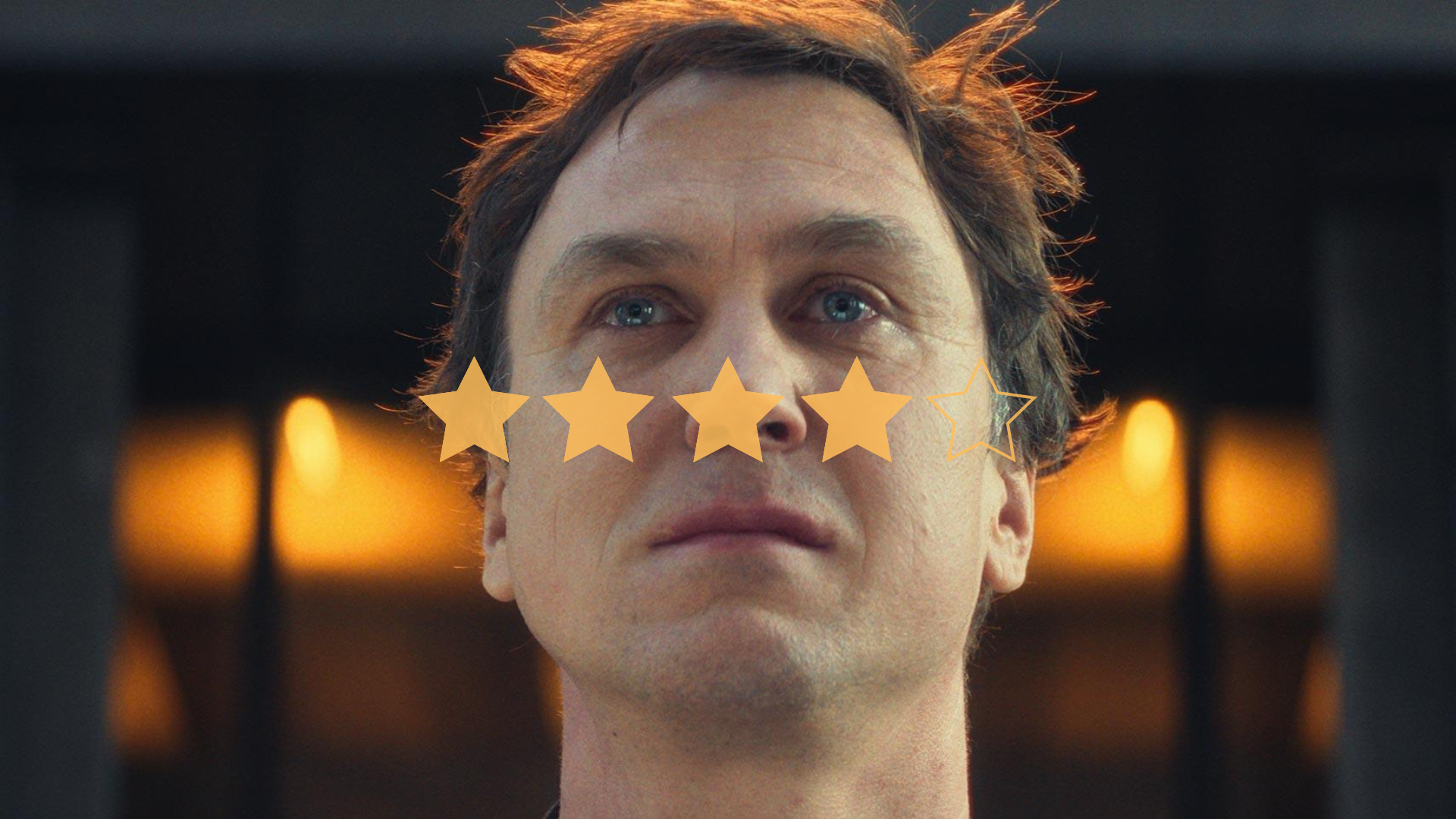
In German drama Dying, director Matthias Glasner crafts a family so dysfunctional and despicable that every interaction between them is like a car crash you can’t look away from. A deeply uncomfortable tale, yet an engaging one nonetheless.
★★★★☆
Lissy Lunies (Corinna Harfouch) is an old woman suffering from cancer whilst having to look after her husband Gerd (Hans-Uwe Bauer), who has late-stage Parkinson’s and has lost almost all control of his mind. Their children are too focused on their own messed-up lives to come and help. Tom (Lars Eidinger) is a successful orchestra conductor with a complicated relationship with his mother. His ex-girlfriend has given birth to a child with another man and has asked him to help be a stepfather to the child – but does not continue their previous relationship. Ellen (Lilith Stangenberg) is an alcoholic, working as a dental assistant. She strikes up a relationship with married dentist Sebastian (Ronald Zehrfeld), who wants her to get sober, but she refuses to do so.
The keyword of this film is dysfunction. The environment in which the children were brought up was not one full of love and affection. Lissy admits to Tom that when he was a baby, she let him fall (or did she throw him?) onto the ground, leaving him for hours and feeling guilty about it for the rest of her life. This upbringing influences Tom’s decision to act as a father to a baby that isn’t even his, in an attempt to make up for his own troubled childhood. The film hinges on Lars Eidinger’s performance, and he does a terrific job with this balancing act of being a controlled conductor while also concealing a multitude of things beneath the surface.
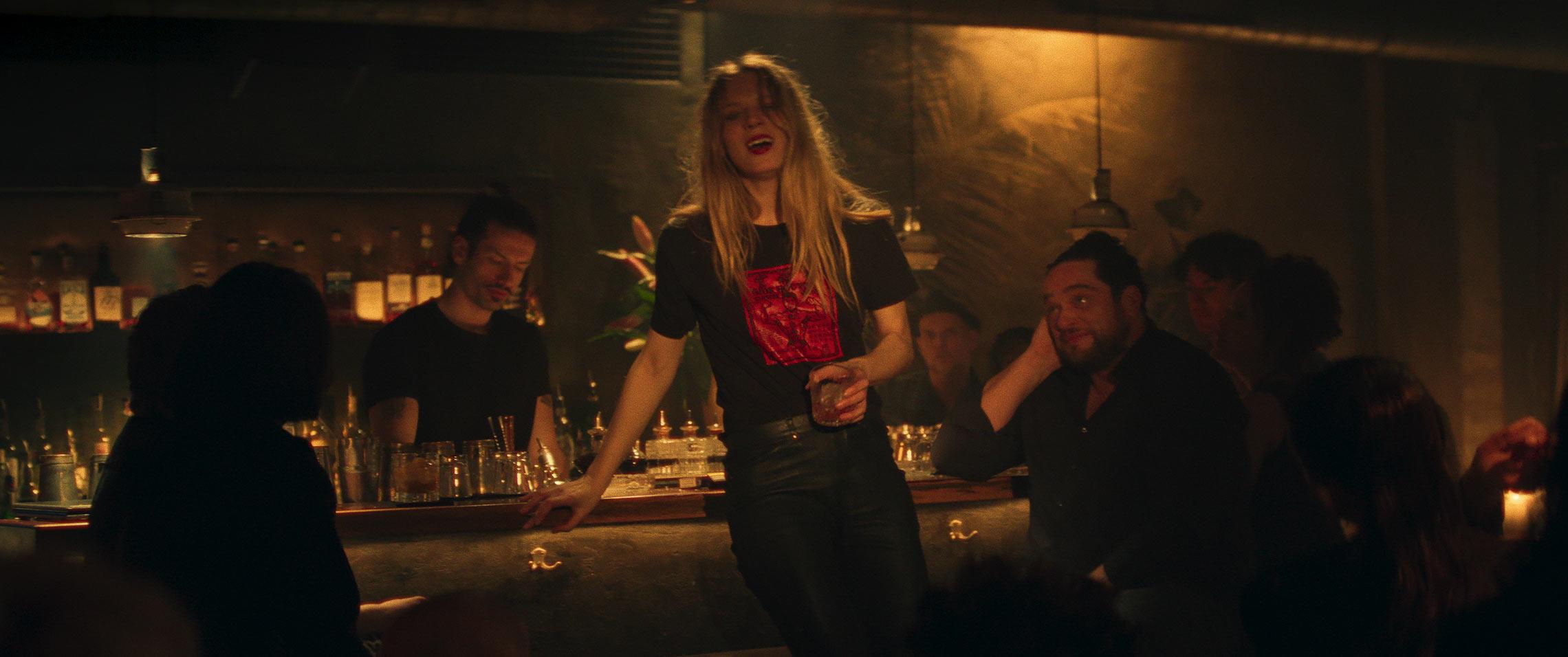
On the other side, the impact of Gerd’s poor health pushes Ellen further into alcoholism and into the arms of a married man double her age who is in a position of power. Both characters, as a result of their parents, become increasingly unsettled.
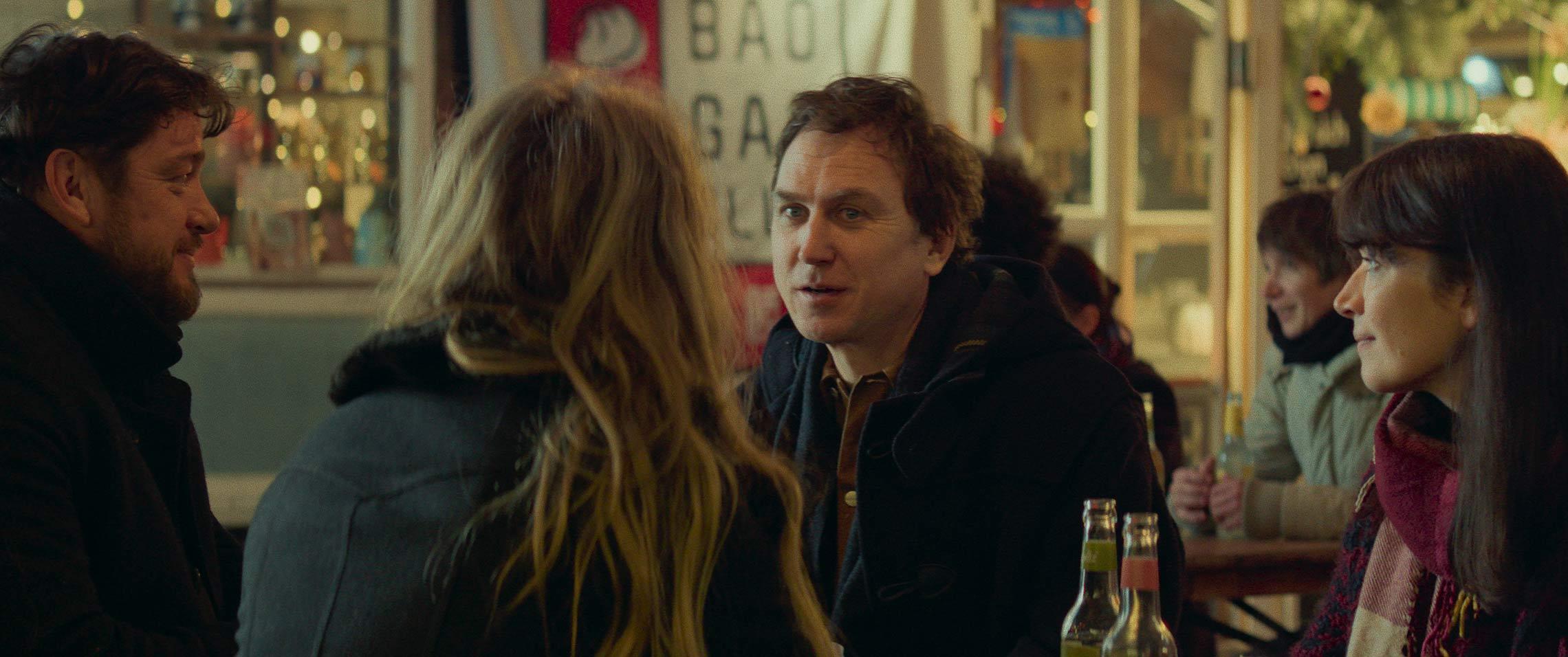
Glasner is not afraid to make the audience feel uncomfortable and does so throughout the three-hour runtime. There are numerous scenes that will make you squirm in your seat through secondhand embarrassment—a sign of a well-written script. There are certainly signs of Ingmar Bergman’s influence in Dying; it never gets as vitriolic as Autumn Sonata (1978), but there’s something there between these characters, an unspoken rage, even between the two siblings. When the siblings meet in the film for the first time in an impromptu double date, it’s their partners who speak to each other more than they do. Trauma can either bring people together or push them apart, and the film illustrates that the latter has occurred in the lives of these individuals. Later on, Ellen ruins an event for Tom and feels no guilt at all for it.
A benefit when watching a film of this length is that you get to live in the characters’ worlds for such a long time that you get to know them intimately. This is why it often feels more like a rich novel than a feature film.
The four leads are outstanding in their ability to flesh out each character, with Hans-Uwe Bauer a highlight. He plays Gerd’s Parkinson’s with such believability that it’s hard not to become utterly terrified of growing old and becoming a burden to everyone around you as you watch.
The Verdict
Matthias Glasner’s three-hour family epic may not be for everyone, but the well-written script and incredible performances make the runtime fly by. The Lunies certainly aren’t a family you would want to sit down and have dinner with, but watching them from an outside perspective is riveting.
Words by Jordon Searle
Dying is in cinemas now.
Support The Indiependent
We’re trying to raise £200 a month to help cover our operational costs. This includes our ‘Writer of the Month’ awards, where we recognise the amazing work produced by our contributor team. If you’ve enjoyed reading our site, we’d really appreciate it if you could donate to The Indiependent. Whether you can give £1 or £10, you’d be making a huge difference to our small team.